Akhilesh Yadav pays tribute on Yaum-e-Ashura
Synopsis
Samajwadi Party president Akhilesh Yadav marked Yaum-e-Ashura by paying tribute to Hazrat Imam Hussain and the martyrs of Karbala, continuing the party's tradition of acknowledging significant Islamic observances ahead of a competitive electoral cycle in Uttar Pradesh.
Key Takeaways
Samajwadi Party president Akhilesh Yadav posted a tribute on Yaum-e-Ashura , the 10th of Muharram , marking the martyrdom of Imam Hussain at Karbala in 680 CE .
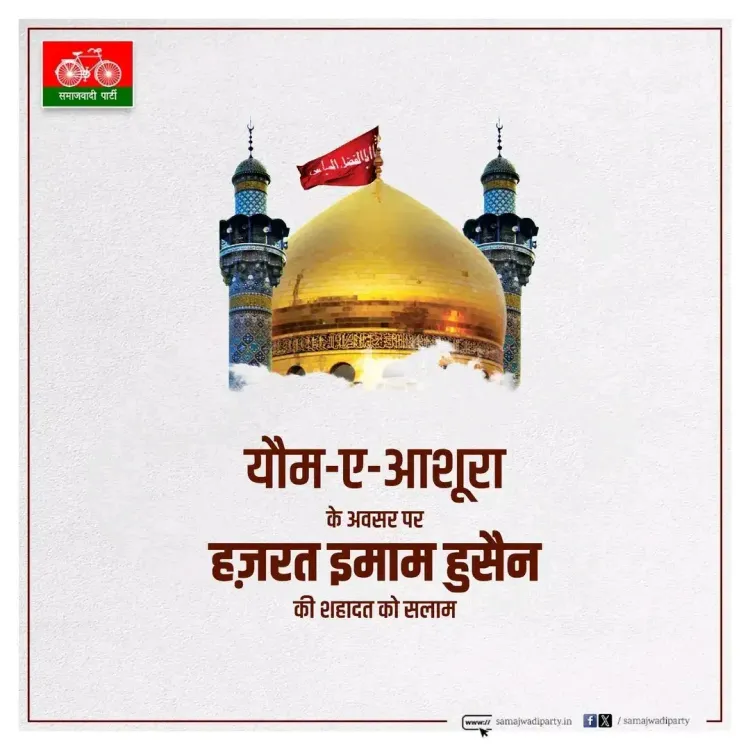
The post was in Hindi and paid respects to Hazrat Imam Hussain and all those martyred at Karbala.
Yaum-e-Ashura is one of the most solemn days in the Islamic calendar, observed with mourning, processions, and prayers by Shia and Sunni Muslims alike.
The Samajwadi Party , founded in 1992 , has a long-standing practice of outreach to minority communities, particularly in Uttar Pradesh .
Akhilesh Yadav is a sitting Lok Sabha MP from Kannauj and served as Chief Minister of Uttar Pradesh from 2012 to 2017 .
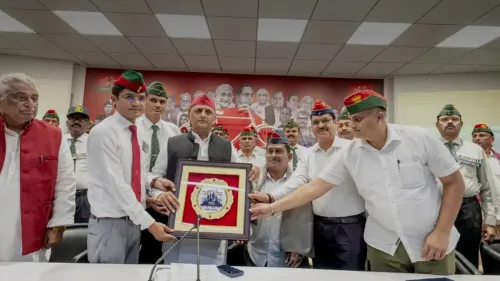
Samajwadi Party president Akhilesh Yadav on Friday, 27 June 2026, paid tribute to Hazrat Imam Hussain and the martyrs of Karbala on the occasion of Yaum-e-Ashura, marking the solemn day of mourning observed across the Muslim world on the 10th of Muharram.
Context
In his post on X, Akhilesh Yadav wrote: 'Yaum-e-Ashura' ke avsar par Hazrat Imam Hussain va Karbala ke shahedon ko naman — translated as 'On the occasion of Yaum-e-Ashura, I bow in tribute to Hazrat Imam Hussain and the martyrs of Karbala.' The message was brief and reverential, carrying no political commentary.
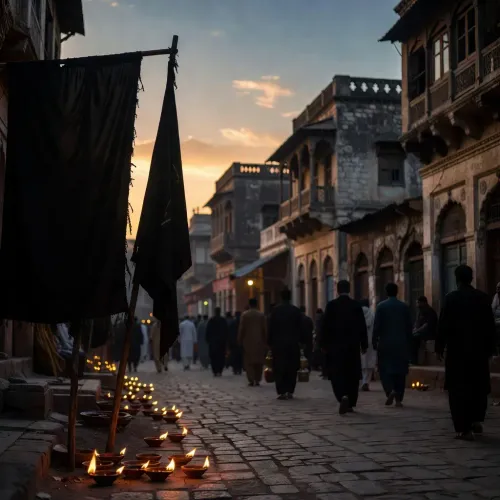
Yaum-e-Ashura commemorates the martyrdom of Imam Hussain ibn Ali, grandson of Prophet Muhammad, who was killed along with his companions at the Battle of Karbala in 680 CE in present-day Iraq. The day is observed with mourning processions, prayers, and public gatherings, particularly within Shia Muslim communities across South Asia and the world.
Policy Backdrop
Paying public tribute on Islamic occasions has been a consistent practice among leaders of major Indian political parties, particularly those with significant voter bases in states with large Muslim populations. Uttar Pradesh, where the Samajwadi Party has its strongest organisational presence, is home to one of India's largest Muslim communities, making such outreach politically and socially significant.
The Samajwadi Party, founded in 1992 by Mulayam Singh Yadav, has historically maintained strong ties with minority communities as part of its socialist and inclusive political platform. Akhilesh Yadav, who served as Chief Minister of Uttar Pradesh from 2012 to 2017 and currently represents Kannauj in the Lok Sabha, has continued this tradition of acknowledging significant religious observances across communities.
Stakeholders and Impact
Shia Muslims observe Ashura as the most solemn day in their religious calendar, while Sunni Muslims also mark the day with fasting and reflection. In Uttar Pradesh, cities such as Lucknow have historically been centres of Ashura observance, with large processions drawing lakhs of participants annually.
Statements of solidarity from political leaders during Muharram are seen by community members as gestures of recognition and respect. For the Samajwadi Party, such messaging reinforces its long-standing positioning as a party attentive to minority sentiments at a time of active electoral competition in Uttar Pradesh.
What's Next
Similar tributes from other state and national leaders are expected during the Muharram period as the day of Ashura is observed across India. The broader political landscape in Uttar Pradesh — with assembly elections on the horizon — means that community outreach during religious occasions will continue to draw scrutiny from across the political spectrum. How parties translate such symbolic gestures into substantive policy engagement with minority communities remains the longer-term question to watch.
Point of View
Such messaging serves to reinforce community ties without requiring policy commitments. The gesture also fits a broader national pattern in which leaders across the spectrum issue religious-occasion statements as low-cost, high-visibility outreach. The real test for any party lies in whether symbolic solidarity translates into concrete representation and governance outcomes for the communities being acknowledged.
NationPress
25 Sept 2026
Frequently Asked Questions
What is Yaum-e-Ashura and why is it significant?
Yaum-e-Ashura falls on the 10th of Muharram in the Islamic lunar calendar and commemorates the martyrdom of Imam Hussain, grandson of Prophet Muhammad, at the Battle of Karbala in 680 CE. It is one of the most solemn observances in Islam, marked by mourning processions, prayers, and fasting.
Why did Akhilesh Yadav post a tribute on Ashura?
Akhilesh Yadav posted a tribute on Yaum-e-Ashura to pay respects to Hazrat Imam Hussain and the martyrs of Karbala. The Samajwadi Party has a long tradition of acknowledging significant Islamic and other religious observances as part of its outreach to minority communities in Uttar Pradesh.
What did Akhilesh Yadav say about Ashura?
Akhilesh Yadav wrote in Hindi that on the occasion of Yaum-e-Ashura, he bows in tribute to Hazrat Imam Hussain and the martyrs of Karbala. The message was reverential and carried no political commentary.
Where is Karbala and what happened there?
Karbala is a city in present-day Iraq where, in 680 CE, Imam Hussain ibn Ali and his companions were killed in a battle that became a defining moment in Islamic history, particularly for Shia Muslims worldwide.
How does the Samajwadi Party engage with Muslim communities in Uttar Pradesh?
The Samajwadi Party, founded in 1992, has historically maintained strong ties with Muslim communities in Uttar Pradesh through its socialist and inclusive platform. Leaders including Akhilesh Yadav regularly acknowledge significant Islamic religious occasions and have advocated for minority welfare in the state.