Akhilesh Yadav calls for classifying small business problems at Agra Summit
Synopsis
At the Vision India PDA Agra Summit on 14 June 2026, Samajwadi Party president Akhilesh Yadav argued that small-business problems must be classified as 'temporary' or 'permanent' before they can be meaningfully addressed, signalling a structured policy push for India's MSME sector.
Key Takeaways
Samajwadi Party president Akhilesh Yadav spoke at the Vision India PDA Agra Summit on 14 June 2026 .
He called for classifying small-business challenges into 'temporary' and 'permanent' categories as a prerequisite for effective resolution.
India's MSME sector employs over 110 million people and contributes roughly 30 per cent to GDP.
The summit is part of the Samajwadi Party's PDA coalition outreach, targeting backward classes, Dalits, minorities, and small traders in Uttar Pradesh .
The party's small-business advocacy traces back to MSME clusters and credit schemes launched during Yadav's Chief Ministership (2012–2017) .
Formal policy proposals based on this classification framework, if tabled in Parliament or the UP assembly, would mark a shift from political rhetoric to legislative action.
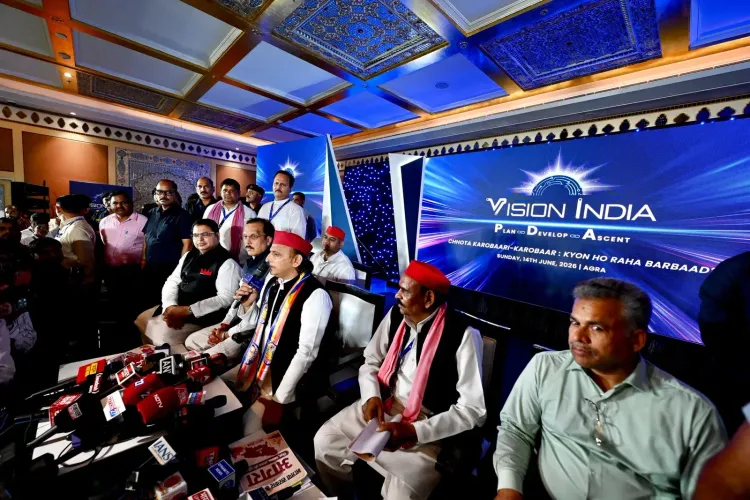
Samajwadi Party president Akhilesh Yadav on Sunday, 14 June 2026, called for a structured classification of small-business challenges into 'temporary' and 'permanent' categories, arguing that without such a framework, the real problems of small traders and entrepreneurs cannot be understood or resolved. The statement came in the context of the Vision India PDA Agra Summit, where small-enterprise concerns formed a central theme.
Context
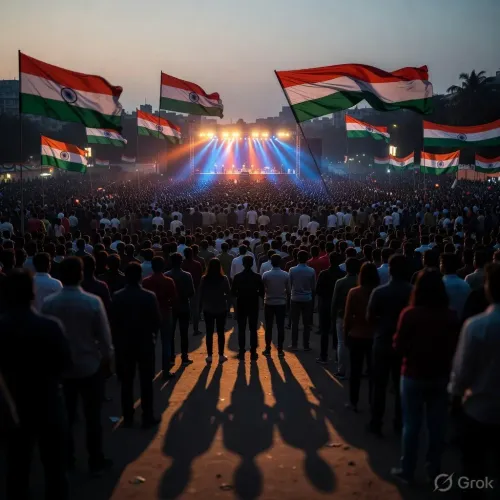
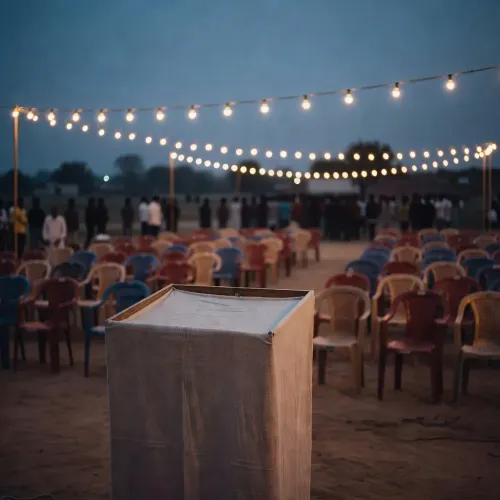
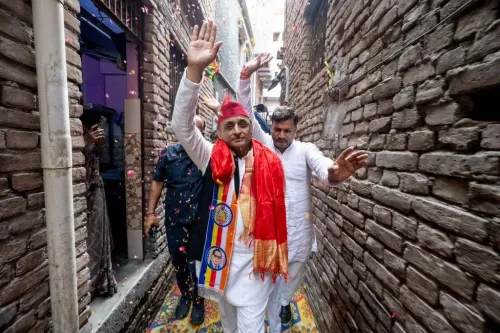
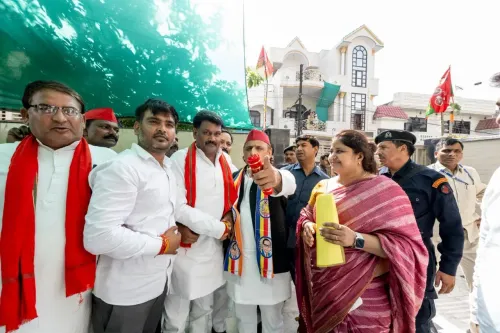
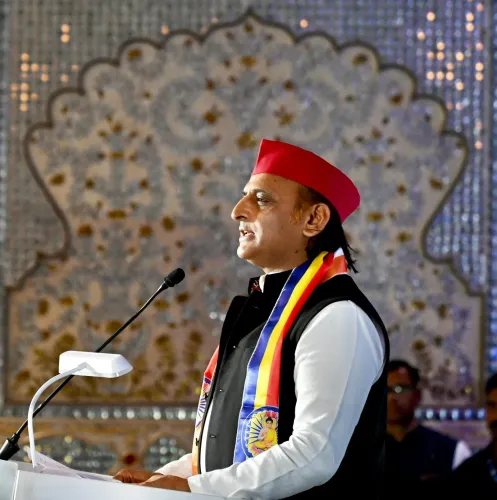
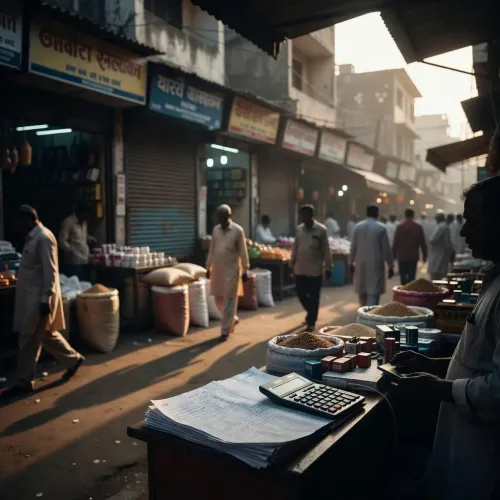
Posting on X, Yadav wrote: 'हमारा मानना है कि छोटे कारोबार की समस्याओं, दिक्कतों, चुनौतियों, अपेक्षाओं, आकांक्षाओं को तब तक नहीं समझा जा सकता, जब तक हम उनकी परेशानियों को सुलझाने के लिए उनको अस्थायी और स्थायी में वर्गीकृत नहीं करेंगे।' In English: 'We believe that the problems, difficulties, challenges, expectations, and aspirations of small businesses cannot be understood until we classify or categorise their troubles into 'temporary' and 'permanent' in order to resolve them.' The post was accompanied by four images from the summit.
The summit, tagged under #Vision_India_PDA_Agra_Summit, brought together the Samajwadi Party's outreach to its PDA coalition — a political grouping that emphasises the interests of backward classes, Dalits, and minorities — with a focus on economic concerns of small traders and entrepreneurs in Agra, Uttar Pradesh.
Policy Backdrop
India's MSME sector employs over 110 million people and contributes roughly 30 per cent to the country's GDP, yet small enterprises have repeatedly flagged regulatory and credit access challenges. The sector was significantly disrupted by demonetisation in November 2016, which caused acute liquidity shocks for cash-dependent small traders, and by the GST rollout from July 2017, which introduced new compliance requirements that smaller firms found difficult to navigate.
Yadav's call for a 'temporary versus permanent' classification of business problems echoes longstanding opposition demands for a more nuanced policy approach to MSME compliance burdens — distinguishing between structural, long-term constraints and short-term regulatory or liquidity shocks. During his tenure as Chief Minister of Uttar Pradesh from 2012 to 2017, his government launched several small-industry clusters and credit schemes that the Samajwadi Party has since contrasted with central policy frameworks.
Stakeholders and Impact
Agra is a city with a significant base of small-scale traders, leather-goods manufacturers, and tourism-linked enterprises, making it a symbolically apt location for such a summit. Small traders in Uttar Pradesh constitute a key vote bank, and the Samajwadi Party has consistently positioned itself as their advocate, particularly against what it describes as the disproportionate burden placed on informal enterprises by large-scale policy shifts.
For MSME owners and small entrepreneurs across UP, the proposal to separate temporary problems — such as seasonal credit crunches or short-term compliance deadlines — from permanent structural challenges like access to formal finance and infrastructure could, if translated into concrete policy, shape how state and central governments design relief measures and regulatory exemptions. The summit's imagery and hashtag suggest the party is building a documented policy narrative ahead of future electoral cycles.
What's Next
Political observers will watch whether the Samajwadi Party translates this classification framework into formal proposals — either in the Uttar Pradesh state assembly or in Parliament — as part of its MSME policy agenda. Any concrete draft framework or party white paper on small-business classification would mark an escalation from political rhetoric to legislative positioning. State-level budget sessions and upcoming parliamentary sessions will be the natural forums for such a move.
With the PDA coalition's outreach deepening through structured summits, the Samajwadi Party appears to be laying a policy-first foundation for its small-trader constituency — a strategy that could influence how rival parties and the central government respond to MSME demands in the near term.
Point of View
Constituency-specific policy positions that can be contrasted with the ruling dispensation's record. Whether this translates into concrete legislative proposals will determine if it moves beyond summit-stage positioning.
NationPress
13 Sept 2026
Frequently Asked Questions
What did Akhilesh Yadav say at the Agra Summit about small businesses?
Akhilesh Yadav said that the problems and aspirations of small businesses cannot be understood or resolved until they are classified into 'temporary' and 'permanent' categories, calling for a structured framework to address MSME challenges.
What is the Vision India PDA Agra Summit?
The Vision India PDA Agra Summit is a Samajwadi Party event held in Agra, Uttar Pradesh, focused on the party's PDA coalition — representing backward classes, Dalits, and minorities — with small-business and MSME concerns as a central theme at the June 2026 edition.
How large is India's MSME sector?
India's MSME sector employs over 110 million people and contributes approximately 30 per cent to the country's GDP, making it one of the largest sources of employment and economic output in the country.
What is the Samajwadi Party's PDA coalition?
PDA stands for a political grouping championed by the Samajwadi Party that emphasises the interests of backward classes, Dalits, and minorities, and has been used as an electoral and policy outreach framework particularly in Uttar Pradesh.
What policy changes has Akhilesh Yadav proposed for small traders?
At the Agra Summit, Yadav proposed classifying small-trader problems as temporary or permanent as a first step toward resolution; no formal legislative draft or white paper has been confirmed yet from this summit.