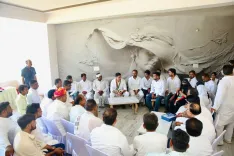
Akhilesh Yadav questions BJP over Ayodhya residents' plight
Synopsis
Samajwadi Party president Akhilesh Yadav on 5 July 2026 questioned why Ayodhya residents must bear the cost of BJP's actions, renewing opposition criticism over displacement and livelihood losses tied to the city's post-Ram Mandir redevelopment.
Key Takeaways
Akhilesh Yadav posted a pointed rhetorical question on 5 July 2026 asking why Ayodhya residents should suffer for the BJP's actions.
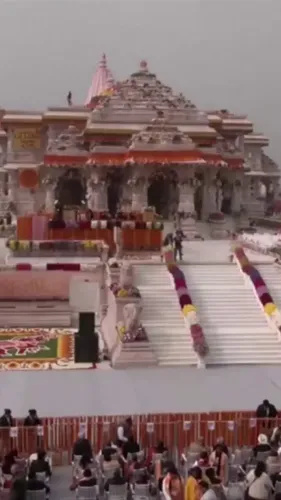
The post targets the BJP government over the human cost of large-scale redevelopment following the Ram Mandir inauguration on 22 January 2024 .
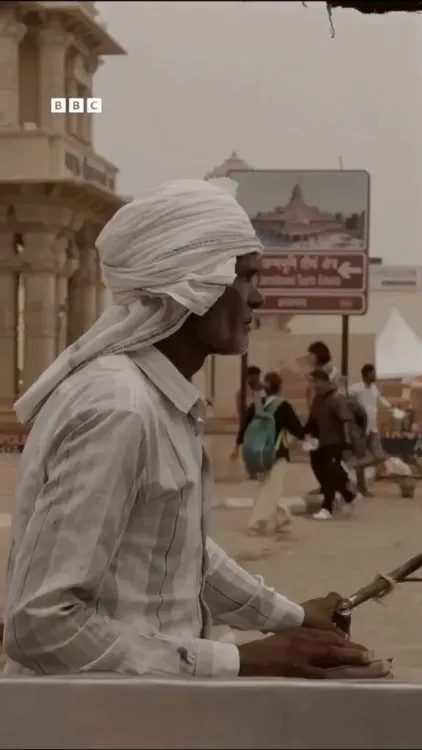
Opposition parties have alleged that long-term Ayodhya residents and local traders were displaced or economically harmed during infrastructure projects including a new airport, railway station, and road widening.
Land acquisition for Ayodhya's transformation began as early as 2019 , following the Supreme Court verdict and formation of the Ram Temple Trust .
The Samajwadi Party is expected to press these grievances in upcoming local body elections and the run-up to the 2027 Uttar Pradesh assembly elections .
Samajwadi Party president Akhilesh Yadav on Sunday, 5 July 2026, sharply questioned why the residents of Ayodhya should bear the consequences of what he called the sins of the BJP and its allies, posting the remark on X to draw attention to the civic and livelihood hardships facing the city's long-term inhabitants.
Context
In the post, Akhilesh wrote: 'भाजपा और उनके संगी-साथियों के पाप की सज़ा अयोध्यावासी क्यों भुगतें?' — translated: 'Why should the residents of Ayodhya suffer punishment for the sins of the BJP and its companions?' The sharp, rhetorical question is directed at the ruling Bharatiya Janata Party at both the state and central levels, and signals a sustained opposition campaign around the human cost of Ayodhya's transformation.
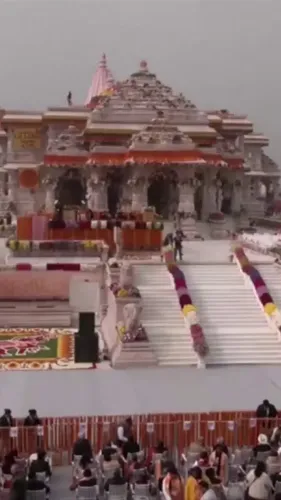
The post comes more than two years after the inauguration of the Ram Mandir on 22 January 2024, a landmark event that triggered sweeping redevelopment across the city. Opposition parties, including the Samajwadi Party, have since argued that the benefits of that redevelopment have been unevenly distributed.
Policy Backdrop
The Ram Temple inauguration was accompanied by a large-scale overhaul of Ayodhya's civic infrastructure — a new international airport, an upgraded railway station, and widened arterial roads. Land acquisition for these projects began as early as 2019, when the Ram Temple Trust was also constituted following the Supreme Court verdict.
Critics, including the Samajwadi Party and other non-BJP groups, have consistently alleged that long-term residents and local traders were displaced or had their livelihoods disrupted during this period, while the primary beneficiaries were pilgrimage-oriented businesses and outside investors. These allegations have formed a recurring thread in Uttar Pradesh opposition politics since the redevelopment began.
Stakeholders and Impact
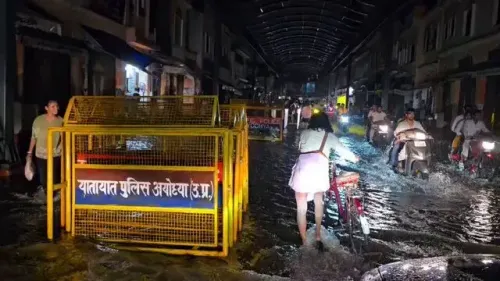
Ayodhya's local residents and small traders are at the centre of this political debate. Many families whose properties fell in redevelopment zones have raised concerns about adequate compensation and resettlement, while shopkeepers along older commercial corridors have cited disruption to daily trade during prolonged construction activity.
For Akhilesh Yadav, the post is also a signal to the Samajwadi Party's social base — particularly OBC and Muslim communities in Uttar Pradesh — that the party intends to hold the BJP accountable for ground-level governance failures in a city that the ruling party has made a centrepiece of its political identity.
What's Next
The Uttar Pradesh assembly's budget sessions and upcoming local body elections are expected to be flashpoints where Ayodhya civic grievances, compensation claims, and resettlement disputes will be pressed by opposition legislators. The Samajwadi Party is likely to amplify these issues as part of a broader anti-incumbency narrative ahead of the 2027 Uttar Pradesh assembly elections.
Whether the BJP government responds with fresh relief measures or an audit of Ayodhya redevelopment benefits for local residents will determine how politically potent this line of attack becomes in the months ahead.
Point of View
' the SP is trying to decouple the Ram Mandir's religious resonance from its civic fallout, a distinction the party hopes will land with displaced residents and struggling traders. This fits a broader SP strategy of targeting the gap between the BJP's temple-centric optics and ground-level delivery in Uttar Pradesh. With 2027 assembly elections on the horizon, Ayodhya's unresolved resettlement and compensation disputes could become a significant liability for the ruling party.
NationPress
5 Oct 2026
Frequently Asked Questions
Why is Akhilesh Yadav criticising BJP over Ayodhya?
Akhilesh Yadav is questioning why Ayodhya residents should bear the hardships caused by BJP-led redevelopment, including displacement and livelihood disruptions linked to infrastructure projects built around the Ram Mandir.
What happened to Ayodhya residents after the Ram Mandir inauguration?
Following the Ram Mandir inauguration on 22 January 2024 and related infrastructure projects, many long-term Ayodhya residents and local traders alleged displacement, inadequate compensation, and disruption to livelihoods during construction of the new airport, railway station, and roads.
What did Akhilesh Yadav post about Ayodhya on 5 July 2026?
Akhilesh Yadav posted a rhetorical question in Hindi asking why the residents of Ayodhya should suffer punishment for the sins of the BJP and its allies.
How has Samajwadi Party responded to Ayodhya redevelopment?
The Samajwadi Party has consistently criticised the BJP-led Ayodhya redevelopment since at least 2019, alleging that long-term residents and small traders were sidelined while pilgrimage infrastructure and outside investors were prioritised.
Will Ayodhya civic issues affect the 2027 UP elections?
Political observers expect Ayodhya's unresolved resettlement and compensation disputes to feature prominently in the 2027 Uttar Pradesh assembly elections, with the Samajwadi Party planning to press these grievances in upcoming local body polls and legislative sessions.