ISKCON Vrindavan dress code backed by Muslim Jamaat chief, urges modesty at all shrines
Synopsis
A senior Muslim cleric has backed a Hindu temple's dress code — and extended the call to every place of worship in India. The All India Muslim Jamaat chief's endorsement of ISKCON Vrindavan's modest-clothing rule signals rare interfaith consensus on a question that sits at the intersection of tradition, personal freedom, and institutional authority.
Key Takeaways
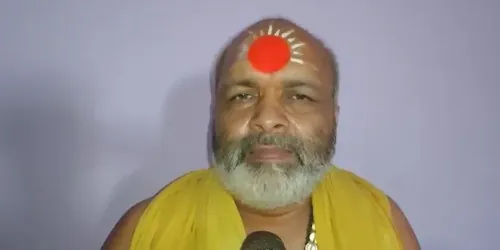
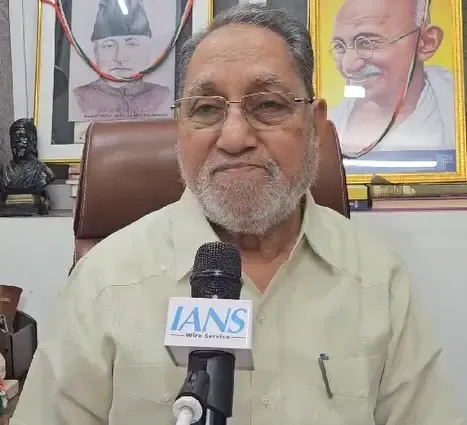
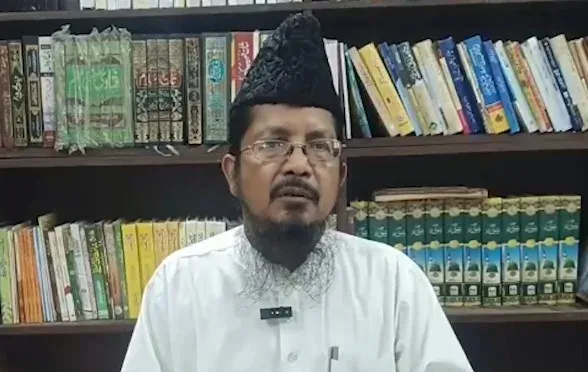
Maulana Shahabuddin Razvi Bareilvi , national president of the All India Muslim Jamaat , backed ISKCON Vrindavan 's dress code on Tuesday, 11 August .
He urged women to wear modest, full-length clothing at all places of worship — temples, gurdwaras, churches, and dargahs alike.
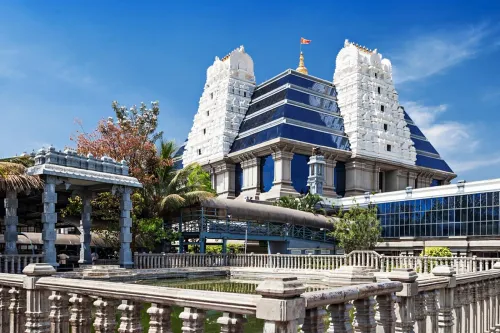
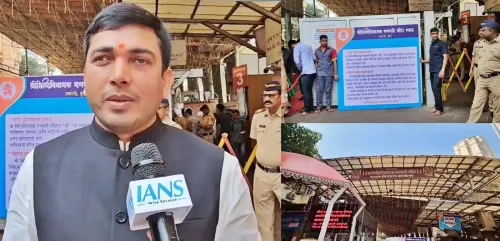
ISKCON Temple, Vrindavan has prohibited short or immodest attire and installed notice boards at entrance gates outlining the rules.
Kalki Ram of the Ramadal Trust and Sant Satyendra Das Vedanti also supported the move, calling for similar guidelines nationwide.
The cross-community backing marks a rare moment of interfaith alignment on conduct norms at sacred sites.
Maulana Shahabuddin Razvi Bareilvi, national president of the All India Muslim Jamaat, on Tuesday extended support to the ISKCON Temple in Vrindavan's decision to enforce a dress code for visitors, calling for modest attire at all places of worship across India regardless of faith. His remarks add an interfaith dimension to a debate that has gained momentum following the temple's formal notification of its clothing guidelines.
What the Muslim Jamaat Chief Said
Speaking to reporters, Bareilvi said: 'Not only in ISKCON temples, but at all religious places in India, whether they are gurdwaras, churches or dargahs, women should wear full-length, modest clothing. This is the culture of India, and this is our tradition.'
He further argued that revealing attire reflected 'European culture' and cautioned against what he described as the erosion of Indian cultural traditions. 'Wherever women go to a religious place, whether they go to a dargah or a temple for darshan, they should certainly respect the sanctity and dignity of that place,' he added.
ISKCON Vrindavan's Dress Code Rules
The management of the ISKCON Temple in Vrindavan — one of the most revered destinations associated with Lord Krishna — has made modest clothing mandatory for all devotees. Short or immodest attire has been strictly prohibited. Notice boards detailing the dress code and related visitor guidelines, including photography restrictions, have been installed at the entrance gates to ensure compliance.
Other Religious Voices Back the Move
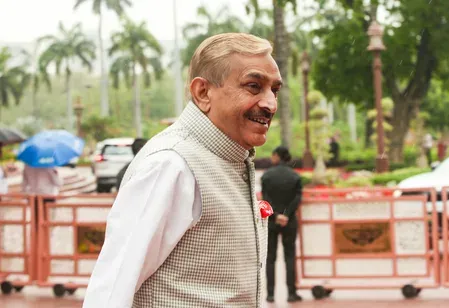
Kalki Ram, president of the Ramadal Trust, also supported the implementation of dress codes at temples, saying it was frequently observed that visitors arrived in attire that did not conform to standards of decency. He did, however, suggest that ISKCON needed to make broader improvements to its internal working systems.
Sant Satyendra Das Vedanti welcomed the Vrindavan temple's decision and called for similar guidelines to be adopted at religious sites across the country.
Broader Context and Significance
The convergence of voices from Hindu and Muslim religious figures on this issue is notable. Dress code debates at Indian places of worship are not new — several prominent temples, mosques, and gurdwaras already maintain formal or informal clothing norms. What distinguishes this episode is the cross-community endorsement, with a senior Muslim cleric publicly aligning with a Hindu temple's policy. This comes amid a wider national conversation about the boundaries between religious tradition, personal freedom, and institutional authority at sacred sites.
As more temples and shrines formalise visitor guidelines, the debate over who sets the terms of conduct at places of worship — and how those rules are enforced — is likely to intensify in the months ahead.
Point of View
Which tends to frame religious disputes in adversarial terms. That said, Bareilvi's framing — casting revealing attire as 'European Christian culture' — conflates religion, nationality, and modernity in ways that deserve scrutiny. The argument that modest dress is India's cultural default erases the diversity of Indian traditions themselves. The more substantive question, which no voice in this debate has yet addressed, is how these dress codes are enforced, against whom, and whether the burden falls disproportionately on women visitors.
NationPress
11 Aug 2026
Frequently Asked Questions
What dress code has ISKCON Vrindavan introduced?
The ISKCON Temple in Vrindavan has made modest, full-length clothing mandatory for all devotees and prohibited short or immodest attire. Notice boards outlining the dress code and other visitor guidelines have been placed at the temple's entrance gates.
Why did the All India Muslim Jamaat chief support the ISKCON dress code?
Maulana Shahabuddin Razvi Bareilvi said modest clothing at places of worship reflects Indian cultural tradition and should apply across all faiths — temples, gurdwaras, churches, and dargahs. He argued that revealing attire is contrary to India's cultural heritage.
Who else has backed the Vrindavan temple dress code?
Kalki Ram, president of the Ramadal Trust, and Sant Satyendra Das Vedanti both welcomed the move and called for similar dress guidelines to be adopted at religious sites across India.
Does the dress code apply only to women?
While Bareilvi's remarks specifically addressed women, the ISKCON Temple's official dress code applies to all devotees visiting the temple, with short or immodest attire prohibited for everyone.
Is this the first time an Indian religious site has enforced a dress code?
No. Dress codes — formal or informal — are common at many Indian temples, mosques, gurdwaras, and churches. What is notable in this instance is the cross-community endorsement, with a Muslim cleric publicly backing a Hindu temple's clothing policy.