Ahmedabad AMC suspends 40,500 kg mawa worth ₹60.75 lakh ahead of Diwali
Synopsis
With Diwali around the corner, Ahmedabad's civic body has frozen the sale of over 40 tonnes of mawa worth ₹60.75 lakh at a single cold storage unit — all of it lacking batch numbers or expiry dates. Six samples have gone to a public health lab, and inspections will continue through the festive season, with sealing powers on the table for violators.
Key Takeaways
The AMC Health and Food Department suspended sale of 40,500 kg of mawa worth ₹60.75 lakh at a Gomtipur cold storage ahead of Diwali .
The facility held approximately 1,02,000 kg of mawa from around 60 vendors ; nearly 80% belonged to 15 major suppliers .
Radhika Food Products had the largest single stock — 1,380 bags of 30 kg each — under brands Rajwadi Sweet (Bajrangi) and Indian Dessert (Nilkanth) .
Six mawa samples collected from named firms have been sent to the Public Health Laboratory for testing.
Violations could attract penalties or sealing under Sections 26, 50, and 52 of the Food Safety and Standards Act, 2006 .
AMC said inspections and sample collection will continue throughout the festive season .
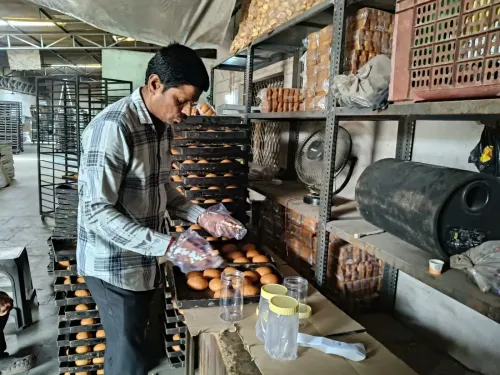
The Ahmedabad Municipal Corporation (AMC) has suspended the sale of 40,500 kg of mawa valued at approximately ₹60.75 lakh, stored at a cold storage facility in the Gomtipur area of Ahmedabad, after inspectors found that the stock lacked mandatory batch numbers and expiry dates. The action was taken as part of a pre-Diwali food safety drive by the civic body's Health and Food Department.
What Inspectors Found
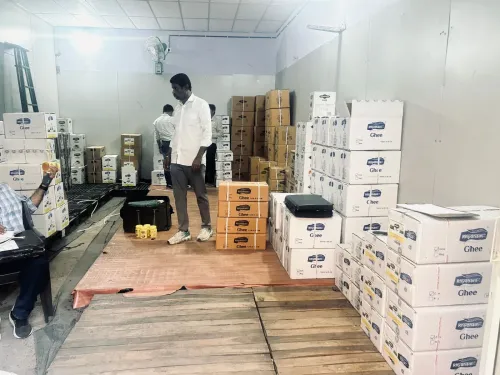
The cold storage unit in Gomtipur was holding approximately 1,02,000 kg of mawa belonging to around 60 vendors. Nearly 80 per cent of that stock was attributed to 15 major suppliers. Of the total stock, 40,500 kg — the portion found without batch numbers or expiry date markings — has been withheld from sale pending further action.
The largest single holding was traced to Radhika Food Products, which had stored 1,380 bags of 30 kg each under the brand names Rajwadi Sweet (Bajrangi) and Indian Dessert (Nilkanth).
Samples Sent for Laboratory Testing
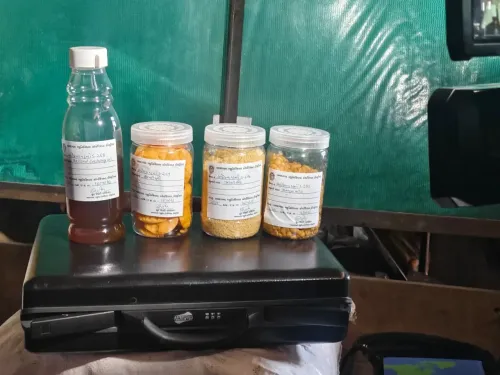
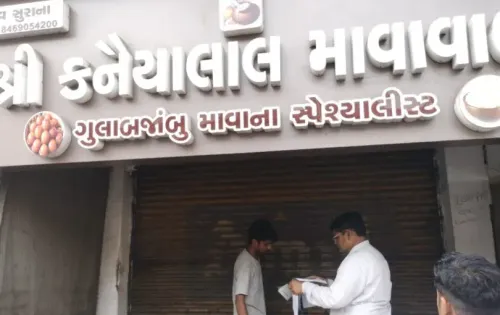
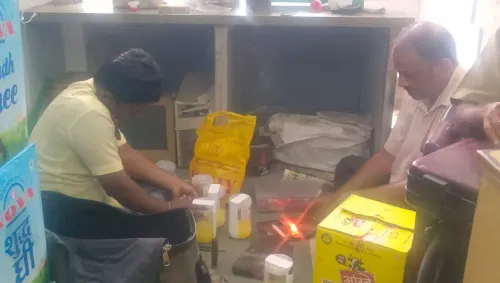
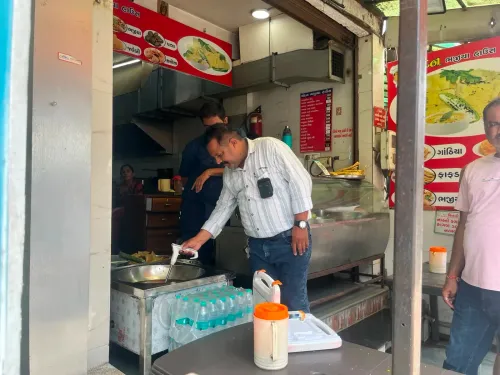
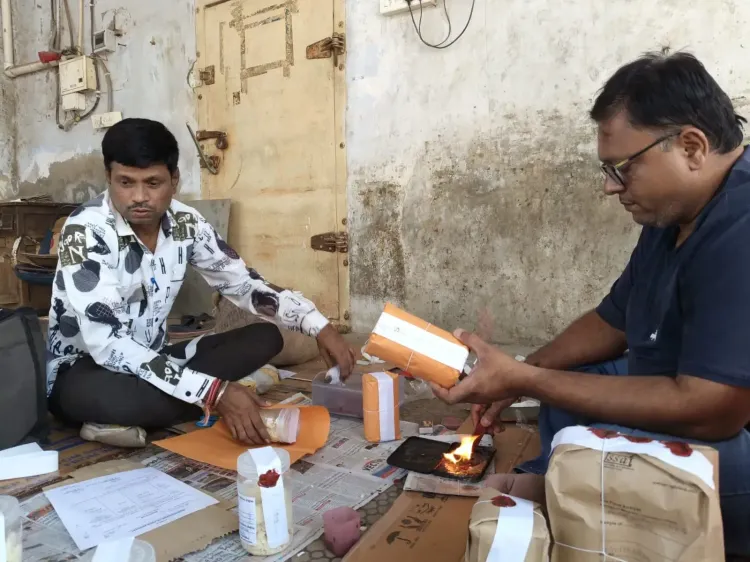
The department collected six mawa samples under the Food Safety and Standards Act, 2006, from the firms of Hasmukhbhai Mavawala, Tulsi Mawa Centre, Rajwadi Sweet (Bajrangi), Indian Dessert (Nilkanth), Purohit Mavawala, and S K Mavawala. All samples have been dispatched to the Public Health Laboratory for quality testing. The AMC stated that samples from other vendors would be collected in their presence.
The Consumer Safety Concern
Officials drew attention to a key distinction between mawa — also known as khoya, produced by partially removing water from milk — and ready-made sweets such as barfi, which may contain sugar and other ingredients. The AMC cautioned that selling a sweet as a mawa-based product when mawa has not actually been used could mislead consumers about its composition.
The civic body specifically flagged that 'using ready-made sweets instead of mawa to prepare pedas or other products could change their ingredients, sweetness and taste.' This concern is particularly acute during the festive season, when demand for traditional sweets surges sharply.
Legal Framework and Penalties
Officials cited provisions of the Food Safety and Standards Act, 2006, including Sections 26, 50, and 52, which deal with food business operators' responsibilities, the sale of food that differs from what a customer has requested, and misbranded food respectively. They underlined that 'action against a particular shop or product should be based on relevant details and the necessary investigation rather than suspicion alone.'
Establishments found in violation of food safety norms could face penalties or sealing under the Act. The AMC confirmed that inspections and sample collection will continue through the festive season.
Point of View
Reaching sweet-makers and ultimately consumers who have no way to verify what they are eating. The AMC's action is procedurally sound — suspend first, test, then prosecute — but the scale of the unlabelled stock at a single facility raises questions about how regularly such inspections occur outside festival windows. Seasonal enforcement, however visible, is not a substitute for year-round surveillance of a supply chain that feeds into one of the highest-consumption food categories in the country.
NationPress
28 Oct 2026
Frequently Asked Questions
Why did the AMC suspend the sale of mawa in Ahmedabad?
The Ahmedabad Municipal Corporation suspended the sale of 40,500 kg of mawa because the stock, stored at a Gomtipur cold storage facility, did not carry mandatory batch numbers or expiry dates. The suspension was part of a pre-Diwali food safety inspection drive.
Which company had the largest mawa stock at the facility?
Radhika Food Products had the largest holding — 1,380 bags of 30 kg each — stored under the brand names Rajwadi Sweet (Bajrangi) and Indian Dessert (Nilkanth). The facility overall held stock from around 60 vendors.
What happens to the mawa samples collected by the AMC?
Six samples collected from named firms — including Hasmukhbhai Mavawala, Tulsi Mawa Centre, and others — have been sent to the Public Health Laboratory for quality testing. Results will inform whether further legal action is taken under the Food Safety and Standards Act, 2006.
What penalties do vendors face for violating food safety norms?
Under Sections 26, 50, and 52 of the Food Safety and Standards Act, 2006, food business operators found in violation face penalties or sealing of their establishments. The AMC has stated that action will be based on evidence from inspection and testing, not suspicion alone.
What is the difference between mawa and ready-made sweets?
Mawa, also known as khoya, is produced by partially removing water from milk and is used as a base ingredient in sweets like pedas. The AMC cautioned that substituting ready-made sweets for mawa in such products changes their composition and could mislead consumers about what they are buying.