Amit Shah extends Mahanavami greetings to the nation
Synopsis
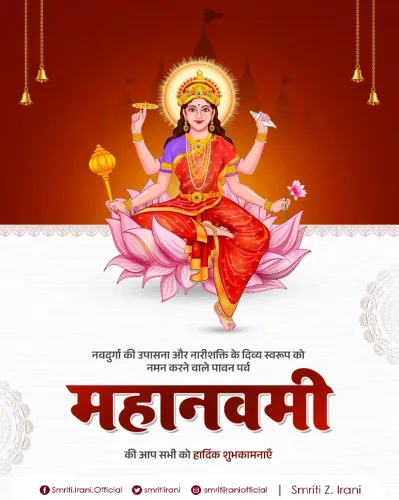
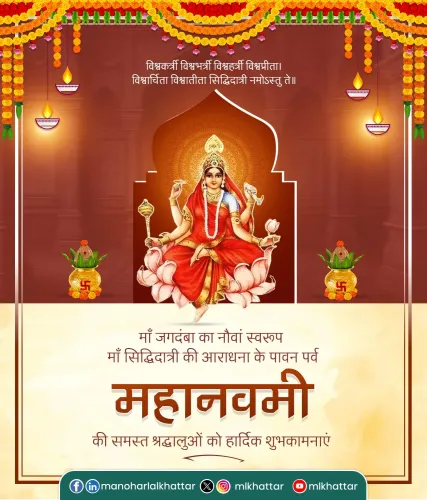
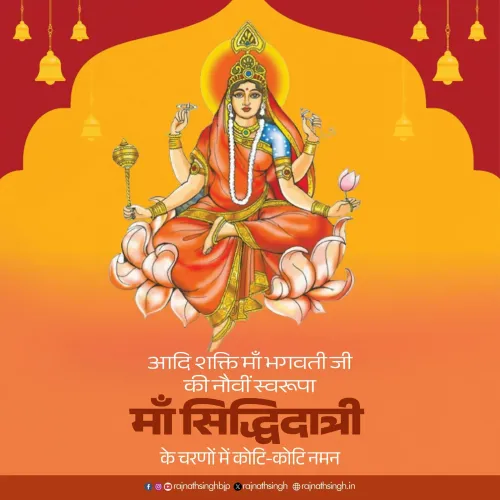
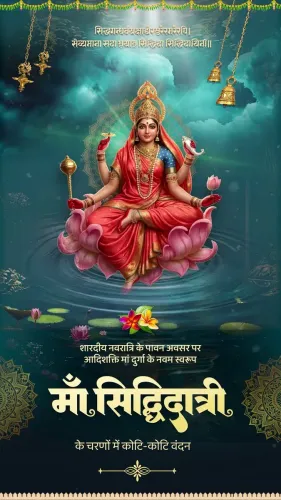
Union Home Minister Amit Shah marked Mahanavami on 19 October 2026 by extending greetings to all Indians and invoking the blessings of Maa Siddhidatri, the ninth form of Goddess Durga, as the Navratri festival reaches its culmination.
Key Takeaways
Union Home Minister Amit Shah posted Mahanavami greetings on 19 October 2026 , the ninth and final day of Navratri.
He specifically invoked Maa Siddhidatri , the ninth form of Goddess Durga, prayed for her grace on all citizens.
Mahanavami is the culminating day of the nine-night Navratri festival, observed just before Dussehra .
Maa Siddhidatri is venerated as the bestower of spiritual accomplishments and divine fulfillment.
The greeting follows standard practice among Indian political leaders of publicly acknowledging major Hindu festival observances.
On the auspicious ninth and final day of Navratri, Union Home Minister Amit Shah extended warm greetings to every Indian, invoking the blessings of Maa Siddhidatri — the ninth and culminating form of Goddess Durga — on Monday, 19 October 2026.
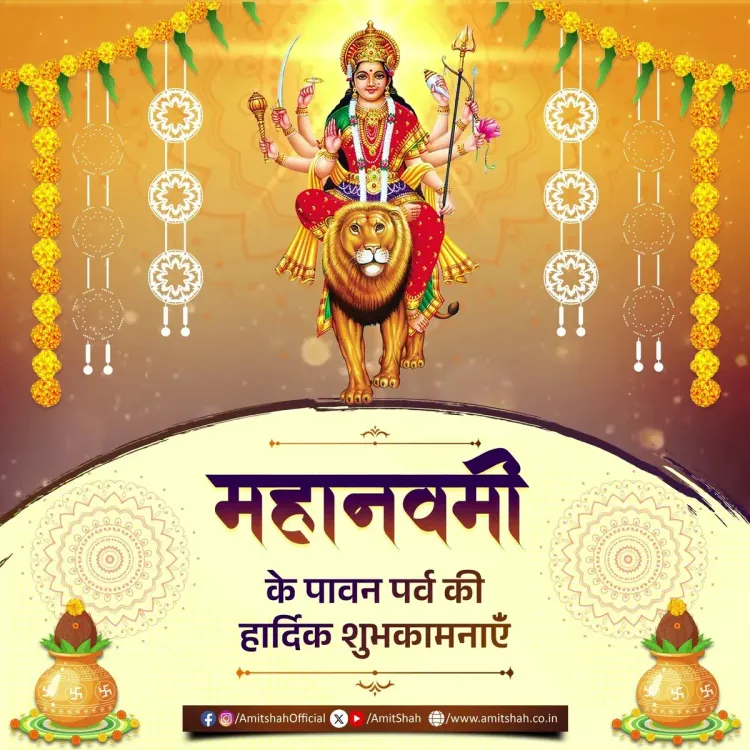
In his post on X, Shah wrote: 'समस्त देशवासियों को महानवमी के पावन पर्व की हार्दिक शुभकामनाएँ' — 'Heartfelt greetings to all countrymen on the sacred festival of Mahanavami' — and prayed that Maa Siddhidatri continue to shower her grace and blessings on everyone, closing with the traditional invocation 'Jai Mata Di.'
Maa Siddhidatri and the significance of Mahanavami
Mahanavami marks the ninth day of Navratri, the nine-night festival dedicated to the nine forms of Goddess Durga. It is considered the culmination of the Durga worship cycle, observed just before Dussehra (Vijayadashami), which celebrates the triumph of good over evil. Maa Siddhidatri, the deity specifically invoked on this day, is venerated as the bestower of supernatural powers and divine fulfillment — her name literally translates as 'the giver of Siddhis (spiritual accomplishments).'
Across India, the day is marked by elaborate pujas, havan ceremonies, and the traditional Kanya Pujan, where young girls are worshipped as living embodiments of the goddess. Pandals and temples from Kolkata to Varanasi to Mumbai reach peak footfall on this day before the immersion of Durga idols signals the close of the festival season.
As the season now turns toward Dussehra, the nation carries forward both the devotional energy of nine nights and the anticipation of the victory celebrations to follow.
Point of View
Reinforcing the party's cultural connect with its core voter base. Shah's invocation of Maa Siddhidatri by name — rather than a generic Navratri wish — signals deliberate, liturgically specific outreach that resonates with devout audiences. As the festive season moves into Dussehra and Diwali, such communications form part of a sustained seasonal presence that blends religious sentiment with political visibility. The pattern is not unique to the BJP, but the frequency and specificity with which its senior leaders deploy it underline how central cultural signalling remains to its communication strategy.
NationPress
19 Oct 2026
Frequently Asked Questions
What is Mahanavami and why is it celebrated?
Mahanavami is the ninth and final day of the Navratri festival, dedicated to Maa Siddhidatri, the ninth form of Goddess Durga. It marks the culmination of nine nights of worship before Dussehra, celebrating the victory of good over evil.
Who is Maa Siddhidatri?
Maa Siddhidatri is the ninth form of Goddess Durga, worshipped on Mahanavami. Her name means 'giver of Siddhis (spiritual accomplishments),' and she is venerated as the bestower of divine grace and supernatural fulfillment.
What did Amit Shah post on Mahanavami 2026?
Union Home Minister Amit Shah posted heartfelt Mahanavami greetings to all Indians on 19 October 2026, praying that Maa Siddhidatri shower her grace and blessings on everyone and closing with 'Jai Mata Di.'
When does Dussehra fall after Mahanavami?
Dussehra, also called Vijayadashami, falls on the tenth day immediately after Mahanavami, marking the symbolic victory of good over evil and the conclusion of the Navratri-Dussehra festive cycle.
Do Indian politicians regularly post festival greetings on X?
Yes, Indian political leaders across parties routinely post public greetings on major Hindu festivals including Navratri and Mahanavami on X, as part of standard outreach to acknowledge religious observances shared by a large section of the population.