CM Samrat Choudhary Champions Mithila Makhana on Global Stage

Synopsis
Bihar Chief Minister Samrat Choudhary on 19 October 2026 championed GI-tagged Mithila Makhana on X, linking PM Modi's Vocal for Local campaign to farmer prosperity and Bihar's ambition to take its signature crop to global markets.
Key Takeaways
Bihar CM Samrat Choudhary posted on 19 October 2026 calling Mithila Makhana 'Bihar's pride and India's identity.' Mithila Makhana received a Geographical Indication (GI) tag in 2022 , granting it protected-origin status and premium-market access.
The GI recognition sits within the Atmanirbhar Bharat framework launched in 2020 , which promotes locally rooted Indian products.
Choudhary credited PM Narendra Modi's Vocal for Local campaign for giving Indian local products a new global identity.
The Chief Minister reaffirmed commitment to connecting Bihar's local products to global markets and boosting farmer economic prosperity .
Processing infrastructure, export facilitation, and value-chain development remain the critical next steps for Bihar's makhana sector.
A water-lily seed from the wetlands of northern Bihar carries the weight of a cultural identity — and Bihar Chief Minister Samrat Choudhary wants the world to know it. On Monday, 19 October 2026, the senior BJP leader took to X to champion Mithila Makhana, calling it the pride of Bihar and a symbol of India's identity, while reaffirming his government's commitment to taking the homegrown superfood to international markets.
Writing in Hindi, Chief Minister Choudhary declared: 'Mithila Makhana — Bihar ki shaan aur Bharat ki pehchaan' ('Mithila Makhana — the pride of Bihar and the identity of India'). He credited Prime Minister Narendra Modi's 'far-sighted leadership' for giving India's local products a new identity on the global stage, and described the makhana's rising recognition as a symbol of 'farmer toil, Bihar's cultural heritage, and the immense potential of indigenous products.'
From Mithila's Wetlands to a GI-Tagged Export Contender
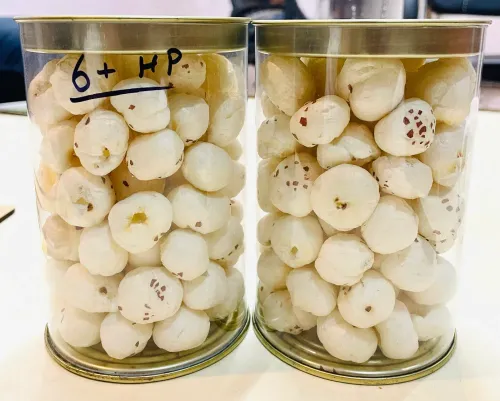
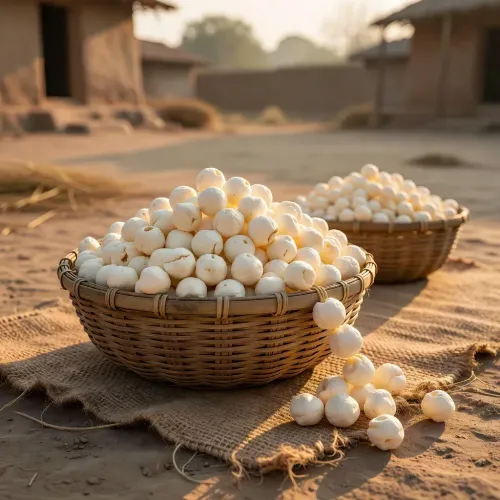
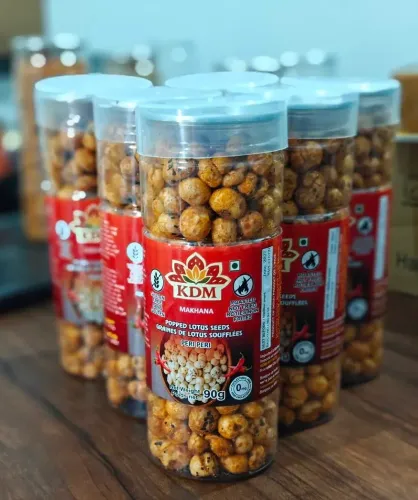
Makhana — the popped seed of the fox nut plant (Euryale ferox) — has been cultivated for centuries in the flooded fields and ponds of the Mithila region of northern Bihar. The crop is labour-intensive, nutritionally dense, and deeply woven into local ritual and cuisine. In 2022, it received a Geographical Indication (GI) tag, granting it the same protected-origin status as Darjeeling tea or Alphonso mangoes — a legal shield against imitation and a premium-market passport.
That GI recognition was itself a product of the broader Atmanirbhar Bharat framework launched in 2020, which systematically elevated locally rooted, culturally significant goods as instruments of economic self-reliance. The Vocal for Local campaign — the hashtag Choudhary used — became the retail-facing arm of that philosophy, nudging Indian consumers and policymakers alike to treat indigenous products as aspirational rather than merely rustic.
Bihar's Farmers at the Centre of the Pitch
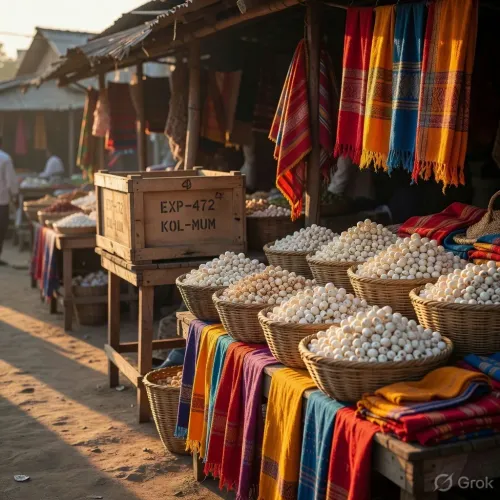
Choudhary's post is as much an economic statement as a cultural one. Bihar remains one of India's lower-income states, and makhana farming is a livelihood anchor for tens of thousands of smallholder families concentrated in districts like Darbhanga, Madhubari, and Sitamarhi. By framing the crop's global ambitions in terms of 'farmers' economic prosperity,' the Chief Minister positions the state government as an active enabler — not a bystander — in the value chain from pond to export pallet.
The post flags a commitment to 'reaching global markets,' a phrase that points toward the unfinished work: processing infrastructure, cold-chain logistics, and export facilitation mechanisms that would let Mithila's farmers capture more of the final price rather than surrendering margin to intermediaries. Whether specific state schemes follow this declaration is the concrete question ahead.
Local Heritage, National Ambition
Choudhary's framing — threading together cultural heritage, farmer welfare, and global market ambition in a single post — mirrors a well-established playbook that Indian states have used to draw central attention and investment toward their signature agricultural products. Bihar's makhana sits alongside initiatives promoting Kashmiri saffron, Manipuri black rice, and Odisha's Koraput coffee as examples of how GI tags are being converted into economic narratives.
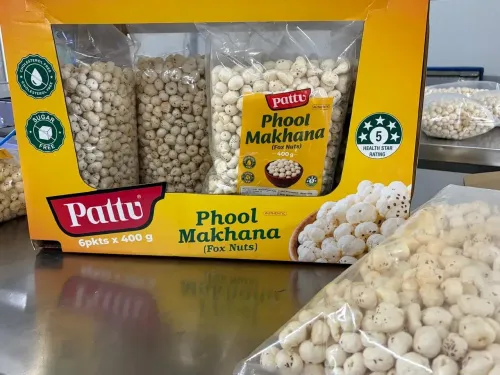
The real test, as always, is in the supply chain: a GI tag opens a door, but processing capacity, quality standardisation, and marketing infrastructure must walk through it. Bihar's makhana has the heritage, the legal protection, and now the political megaphone. The farmers waiting in those northern wetlands need the infrastructure to match the ambition.
Point of View
Rural-economy policy, and electoral outreach in agrarian states. Bihar's makhana — underexploited relative to its GI potential — is a credible vehicle for that message. The harder political test arrives when declarations must translate into measurable state budget allocations for makhana processing and export infrastructure.
NationPress
19 Oct 2026
Frequently Asked Questions
What is Mithila Makhana and why is it famous?
Mithila Makhana is the popped seed of the fox nut plant cultivated in the wetlands of northern Bihar's Mithila region. It is famous for its nutritional value, deep cultural significance in Bihar, and its Geographical Indication (GI) tag received in 2022 that certifies its origin.
When did Mithila Makhana get its GI tag?
Mithila Makhana received its Geographical Indication (GI) tag in 2022, granting it legal protection against imitation and helping position it in premium domestic and export markets.
What is the Vocal for Local campaign mentioned by Bihar CM?
Vocal for Local is a national campaign launched under PM Modi's Atmanirbhar Bharat initiative in 2020, encouraging Indians to buy and promote domestically produced goods and reducing dependence on imports.
What did Bihar CM Samrat Choudhary say about Mithila Makhana?
On 19 October 2026, CM Samrat Choudhary called Mithila Makhana 'Bihar's pride and India's identity,' credited PM Modi's leadership for boosting local products globally, and pledged to connect Bihar's agricultural products to international markets.
Which districts in Bihar grow makhana?
Makhana is primarily cultivated in the Mithila belt of northern Bihar, with key producing districts including Darbhanga, Madhubari, and Sitamarhi, where it forms a vital livelihood for smallholder farming families.