CM Dhami Tells Medical Students: You Are Uttarakhand's Future
Synopsis
Chief Minister Pushkar Singh Dhami addressed medical students in Uttarakhand on October 19, 2026, calling them 'helmsmen of the state's bright future' and reminding them of their responsibility to deliver healthcare to lakhs of people across the hill state's remote terrain.
Key Takeaways
CM Pushkar Singh Dhami addressed medical students in Uttarakhand on 19 October 2026 , calling them the 'helmsmen of the state's bright future.' He emphasised that the responsibility of protecting lives of lakhs of people and providing better health services will rest on their shoulders.
Uttarakhand's mountainous terrain makes healthcare delivery uniquely difficult, with remote communities often lacking timely access to doctors.
The state has been expanding medical education capacity in recent years to address chronic shortages of doctors in underserved areas.
Retaining trained doctors in hill districts remains one of Uttarakhand's most persistent public-health policy challenges.
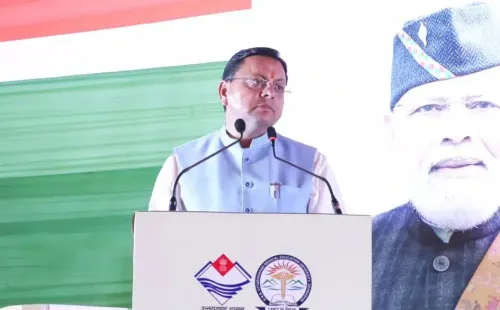
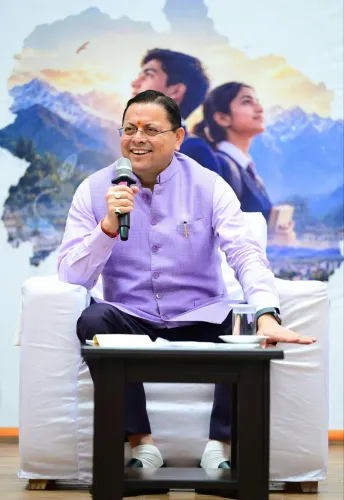
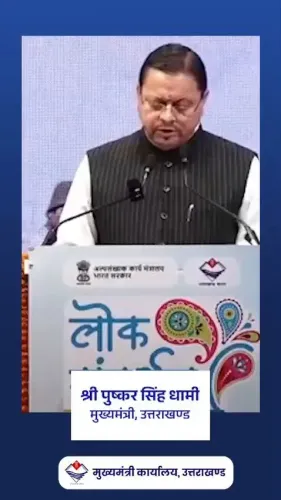
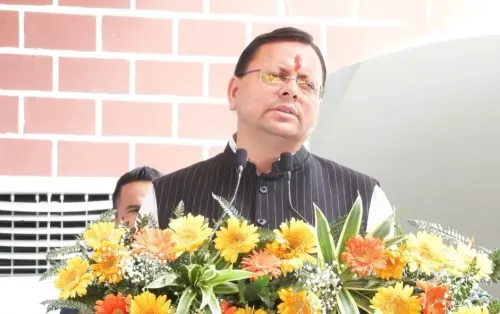
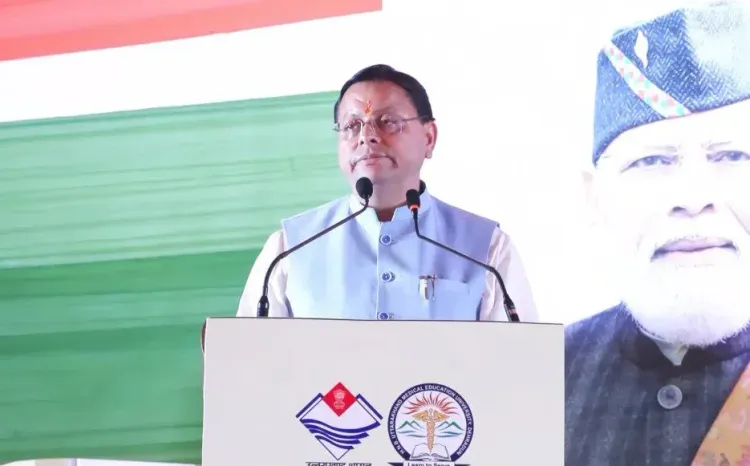
Millions of lives in Uttarakhand's hills and valleys will one day rest on the shoulders of the students now in medical classrooms — and Chief Minister Pushkar Singh Dhami made sure they felt the weight of that calling. Addressing what the Chief Minister's Office of Uttarakhand shared on Monday, 19 October 2026, Dhami delivered a direct charge to the state's future doctors.
Speaking to an audience of medical students, CM Dhami said: 'Aap sabhi pradesh ke ujjwal bhavishya ke karnadhar hain' — 'You are all the helmsmen of this state's bright future.' He went further, reminding them that 'the important responsibility of protecting the lives of lakhs of people of the state and providing them better health services will rest on your shoulders in the times to come.'
Why Uttarakhand's Doctor Shortage Makes This Personal
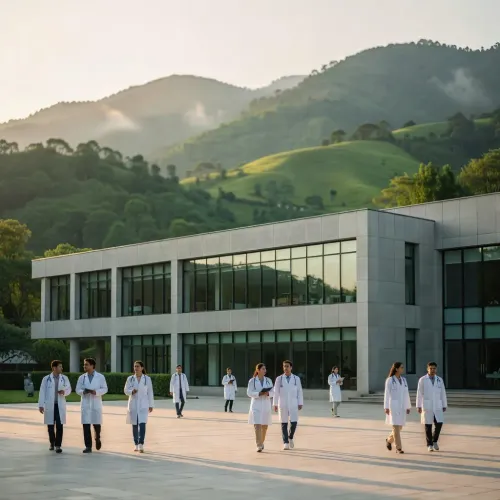
The appeal carries real urgency in Uttarakhand. The Himalayan state's rugged geography — deep valleys, high-altitude villages, roads that vanish in monsoons — has historically made it one of India's harder terrains for healthcare delivery. Rural and remote communities often travel hours to reach a doctor. The shortage of trained physicians willing to serve in those postings is not an abstraction; it is a gap measured in delayed diagnoses and preventable deaths.
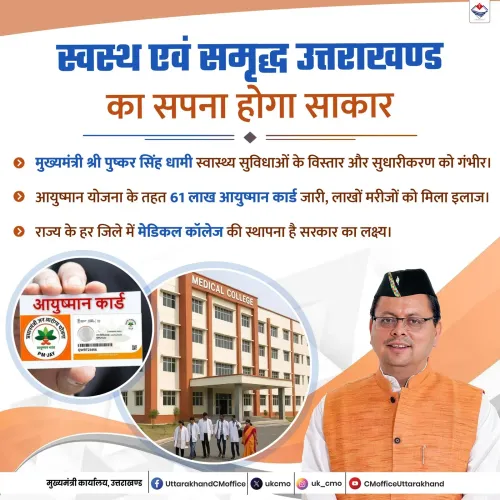
In recent years, both Uttarakhand and the central government have pushed to expand medical education capacity precisely to address this deficit — adding new medical colleges and launching recruitment drives aimed at staffing district and community health centres. The students Dhami was addressing are the intended output of that very pipeline.
A Call to Service, Not Just a Career
The framing of Dhami's remarks is deliberate: he did not congratulate students on a qualification; he handed them a civic obligation. Describing them as karnadhar — helmsmen, those who steer — positions medicine less as a profession and more as an act of governance from below. It is the kind of language designed to close the gap between a medical degree earned in a city campus and a posting in a hill district that most graduates quietly try to avoid.
Uttarakhand's ability to retain trained doctors in underserved areas remains one of the state's most persistent public-health challenges. Whether CM Dhami's inspiring words translate into policy incentives — better pay, improved infrastructure, housing for doctors in remote postings — is the question that will define whether this generation of students actually becomes the 'helmsmen' he envisions.
Point of View
But awareness alone does not fill it. Uttarakhand's real test will be whether inspirational framing is backed by concrete incentives — salary supplements, infrastructure upgrades, career pathways — that make hill-district postings genuinely attractive. Without those, the 'helmsmen' rhetoric risks becoming an annual ritual rather than a turning point for state healthcare.
NationPress
19 Oct 2026
Frequently Asked Questions
What did CM Pushkar Singh Dhami say to medical students in Uttarakhand?
CM Dhami called medical students the 'helmsmen of Uttarakhand's bright future' and said the responsibility of protecting the lives of lakhs of people and providing better health services would rest on their shoulders.
Why is healthcare delivery difficult in Uttarakhand?
Uttarakhand's Himalayan terrain — deep valleys, high-altitude villages, and roads prone to seasonal damage — makes it hard to staff and access health facilities, leaving many remote communities underserved.
Is Uttarakhand expanding its medical colleges?
Yes. Uttarakhand, like several other Indian states, has been expanding medical education capacity and conducting doctor recruitment drives to address shortages in district and community health centres.
Who is Pushkar Singh Dhami?
Pushkar Singh Dhami is the Chief Minister of Uttarakhand, a post he has held since 2021, overseeing state governance including public health policy.
What is the biggest healthcare challenge facing Uttarakhand?
The retention of trained doctors in remote hill districts is widely considered Uttarakhand's most persistent public-health challenge, compounded by difficult geography and infrastructure gaps.