Amit Shah inaugurates 1857 Shaheed Smarak in Ambala
Synopsis
Union Home Minister Amit Shah inaugurated the newly built Shaheed Smarak and Museum in Ambala, Haryana, on 5 November 2026, honouring martyrs of the 1857 uprising. The memorial is part of a broader national effort to commemorate regional freedom fighters from India's first war of independence.
Key Takeaways
Union Home Minister Amit Shah inaugurated the Shaheed Smarak and Museum in Ambala, Haryana on 5 November 2026 .
The memorial is dedicated to martyrs of the 1857 uprising , widely regarded as India's first war of independence.
Shah called honouring freedom heroes 'the supreme duty of every Indian' in his address at the ceremony.
The inauguration aligns with the central government's Azadi Ka Amrit Mahotsav initiative, active since 2021 , which has pushed state-level memorials for regional freedom fighters.
Ambala , a city with a historic cantonment, is a symbolically significant location for a 1857 sepoy-linked memorial.
The museum format ensures the martyrs' stories are preserved and accessible for future generations, researchers, and tourists.
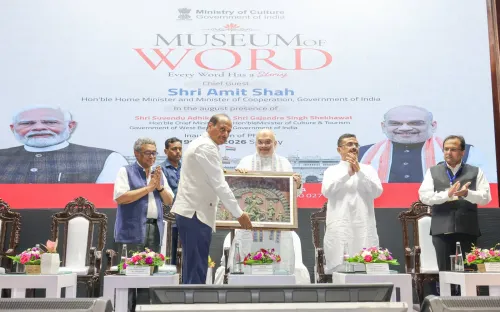
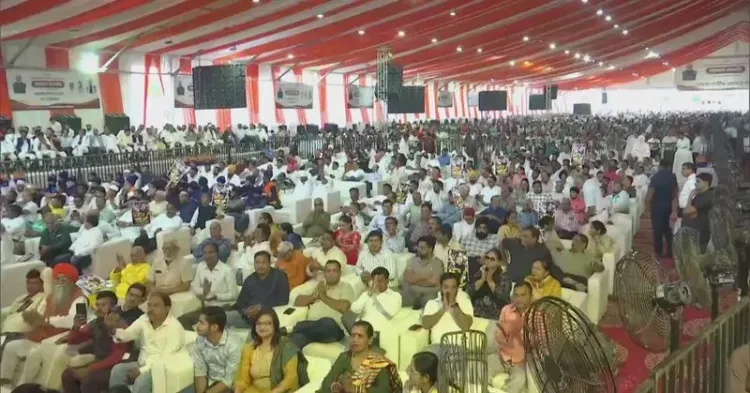
Honouring India's first freedom fighters was never just ceremony — on Thursday, 5 November 2026, Union Home Minister Amit Shah gave it permanent stone and steel, inaugurating the newly constructed Shaheed Smarak and Museum in Ambala, Haryana, dedicated to the martyrs of the 1857 uprising — the first war of Indian independence.
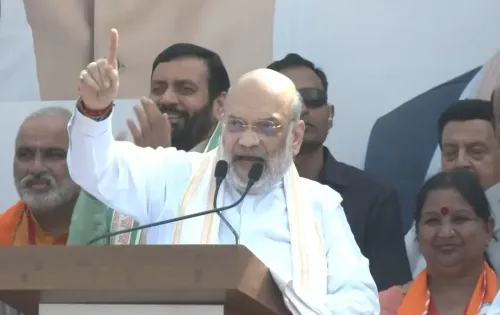
Addressing the inauguration ceremony, Shah declared that honouring the heroes of freedom is 'हर भारतीय का परम कर्तव्य' — 'the supreme duty of every Indian.' The remark set the register for the event: not a ribbon-cutting, but a reckoning with a revolt that shook the British Empire nearly 170 years ago.
Why Ambala, and why 1857 matters here
Ambala sits at a historically charged crossroads in Haryana. The 1857 uprising — sparked by Indian sepoys against the East India Company — found fierce expression across the northern plains, and the region around Ambala was among the early flashpoints. For decades, the local martyrs of that revolt remained largely uncommemorated beyond textbooks. The new Shaheed Smarak and Museum changes that, giving the sacrifice a physical home and a public face.
The museum format is significant. Monuments weather and fade; museums teach. A dedicated exhibition space means successive generations of Haryana schoolchildren, tourists, and history researchers now have a curated archive of the 1857 struggle rooted in their own geography.
Azadi Ka Amrit Mahotsav's memorial push
The Ambala inauguration sits within a wider national programme. Since 2021, the central government's Azadi Ka Amrit Mahotsav initiative — marking 75 years of independence — has catalysed a string of state-level memorials spotlighting regional freedom fighters who never made the standard nationalist canon. The 1857 revolt, often centred in popular memory on figures from Uttar Pradesh, is being deliberately broadened to acknowledge martyrs from Haryana, Rajasthan, Madhya Pradesh, and beyond.
Sending a senior Union minister to personally inaugurate such sites is itself a signal: these are not local government photo-ops, but events folded into a coherent national narrative about historical memory and identity.
What the memorial represents for Haryana
Haryana has a deep military tradition — the state contributes disproportionately to India's armed forces — and the 1857 sepoy uprising resonates there in particular ways. A permanent memorial in Ambala, a city with a major cantonment history, connects that martial heritage to the earliest organised resistance against colonial rule. It is both a cultural anchor and a tourism asset, with the potential to draw school groups, heritage travellers, and researchers to a site that did not exist a year ago.
Point of View
The Centre signals that historical memory is a Union priority, not a footnote. This pattern, accelerated by Azadi Ka Amrit Mahotsav, is quietly reshaping India's official commemoration landscape — turning unsung regional martyrs into touchstones of a larger, explicitly nationalist historical narrative.
NationPress
5 Nov 2026
Frequently Asked Questions
What is the Shaheed Smarak and Museum in Ambala?
It is a newly constructed memorial and museum in Ambala, Haryana, dedicated to the martyrs of the 1857 uprising — India's first war of independence against British colonial rule.
Who inaugurated the Ambala Shaheed Smarak in 2026?
Union Home Minister Amit Shah inaugurated the Shaheed Smarak and Museum in Ambala on 5 November 2026.
What was the 1857 uprising and why is it significant?
The 1857 uprising was the first major organised revolt by Indian sepoys and civilians against British East India Company rule, widely regarded as the starting point of India's independence movement.
How does Azadi Ka Amrit Mahotsav relate to memorials like the one in Ambala?
Azadi Ka Amrit Mahotsav, launched in 2021 to mark 75 years of independence, has driven a series of state-level memorials and museums honouring regional freedom fighters, including 1857 martyrs across multiple states.
Why is Ambala a significant location for a 1857 memorial?
Ambala has a historically significant cantonment and the surrounding region of Haryana was among the early flashpoints of the 1857 revolt, making it a symbolically fitting location for a dedicated memorial.