Amit Shah Inaugurates 'Shabd Sangrahalaya' at National Library, Kolkata
Synopsis
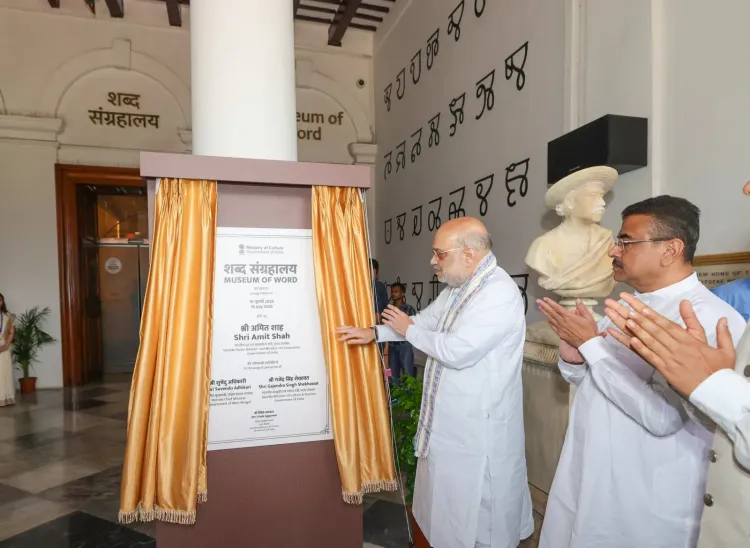
Union Home Minister Amit Shah on July 19, 2026, inaugurated the first phase of the Shabd Sangrahalaya at the National Library of India in Kolkata. The museum covers 22 Indian languages and dialects across 9 digital galleries, aimed at preserving India's linguistic heritage for future generations.
Key Takeaways
Union Home Minister Amit Shah inaugurated the first phase of Shabd Sangrahalaya on July 19, 2026 .
The museum is located at the National Library of India in Kolkata , the country's largest public library.
It encompasses 22 Indian languages and dialects and 9 state-of-the-art digital galleries .
The initiative is framed as part of the Modi government's broader cultural renaissance agenda active since 2014 .
Primary beneficiaries include language researchers, educators, and students across India.
This is only the first phase ; subsequent phases and possible replication at other national libraries are anticipated.
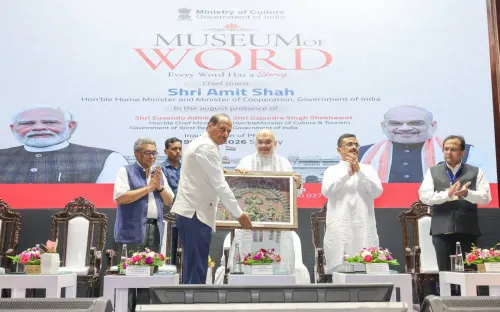
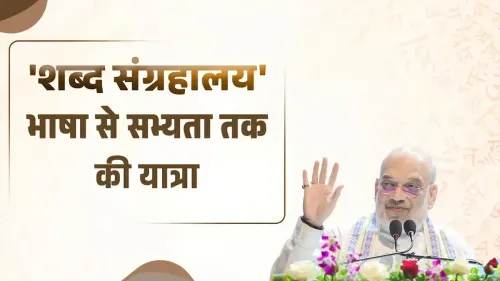
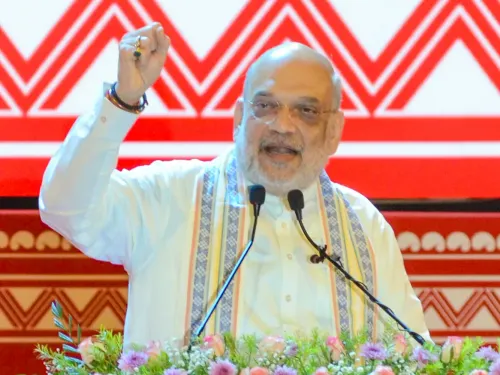
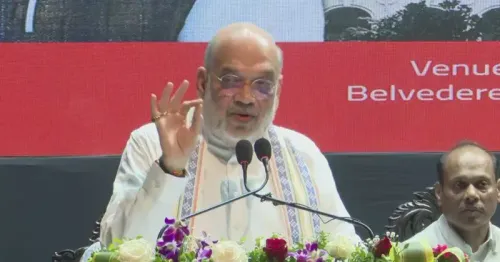
Union Home Minister Amit Shah on Sunday, July 19, 2026, inaugurated the first phase of the Shabd Sangrahalaya — a museum dedicated to Indian languages — at the National Library of India in Kolkata, marking a significant step in the central government's cultural revival agenda.
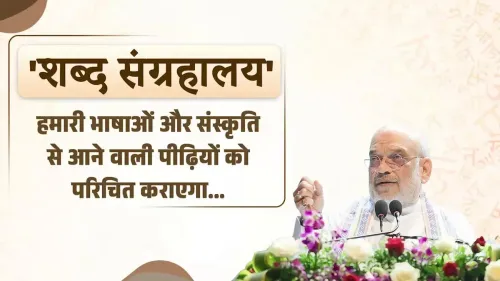
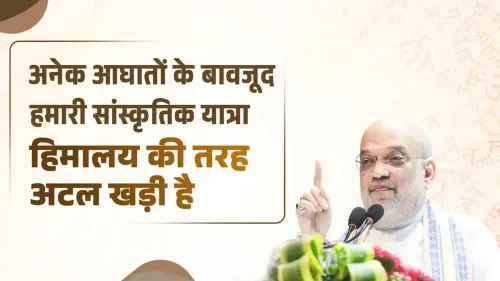
Posting on X, Shah wrote: 'मोदी जी के नेतृत्व में देशभर में सांस्कृतिक पुनरुत्थान के संकल्प को आगे बढ़ाया जा रहा है' — ('Under the leadership of Modi ji, the resolve for cultural renaissance across the country is being taken forward'). He described the museum as a 'powerful medium' to transmit language, culture, and India's knowledge traditions to future generations.
What is the Shabd Sangrahalaya?
The Shabd Sangrahalaya, which translates to 'Museum of Words', features 22 Indian languages and dialects alongside 9 state-of-the-art digital galleries. Housed within the National Library of India — the country's largest public library and a national repository of printed and manuscript heritage — the museum is designed to serve language enthusiasts, researchers, and educators from across the country. Shah noted it would prove 'extremely useful' for this community.
Context: Cultural Revival Under Modi Government
The inauguration fits within a sustained policy push since 2014 to digitise cultural heritage and modernise museum infrastructure. The National Education Policy 2020 had explicitly mandated the promotion of mother tongues and Indian knowledge systems in education and heritage preservation. The government had also expanded support for linguistic documentation and recognised additional classical languages under the Ministry of Culture. The Shabd Sangrahalaya represents a convergence of these strands — bringing linguistic diversity into a technology-enabled public space.
Policy Backdrop: Linguistic Heritage and Digital Archiving
India's extraordinary linguistic diversity — with hundreds of languages and dialects — has long posed challenges for documentation and intergenerational transmission. Parallel initiatives under the Ministry of Culture have focused on modernising existing museums and building digital archives. The National Library of India in Kolkata was a natural anchor for such a project, given its historic role as the custodian of the nation's printed heritage. The digital gallery format is intended to make the content accessible to younger, technology-native audiences.
Stakeholders and Impact
The museum's primary beneficiaries include language researchers, educators, and students who will gain a centralised, digitally enriched resource for studying India's linguistic traditions. For Kolkata, a city with a deep literary and cultural identity, the institution adds to a cluster of national cultural assets. Broader civil society — including language communities whose tongues are represented among the 22 languages and dialects — stands to gain from the visibility and archival legitimacy the museum confers.
What's Next
The inauguration covers only the first phase of the Shabd Sangrahalaya, signalling that subsequent phases are planned. Observers will watch whether the 9 digital galleries are eventually integrated into university research programmes and school curricula, as envisaged under the NEP framework. The model could also be replicated at other national libraries, extending the reach of linguistic documentation efforts beyond Kolkata.
Point of View
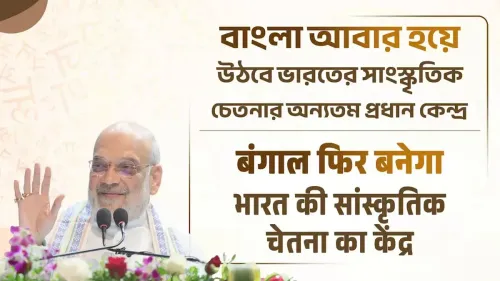
The central government is also making a symbolic statement in a state where it has historically contested political and cultural ground with regional parties. The digital gallery format signals an attempt to make this agenda resonate with younger, urban audiences rather than confining it to academic circles. Whether the institution achieves lasting impact will depend on how deeply its resources are integrated into educational curricula and research ecosystems.
NationPress
19 Oct 2026
Frequently Asked Questions
What is Shabd Sangrahalaya?
Shabd Sangrahalaya is a newly inaugurated museum of Indian languages and dialects located at the National Library of India in Kolkata. Its first phase, opened on July 19, 2026, features 22 Indian languages and 9 digital galleries dedicated to India's linguistic heritage.
Where is the Shabd Sangrahalaya located?
The Shabd Sangrahalaya is located at the National Library of India in Kolkata, West Bengal, which is India's largest public library.
Who inaugurated Shabd Sangrahalaya?
Union Home Minister Amit Shah inaugurated the first phase of the Shabd Sangrahalaya on July 19, 2026.
How many languages are covered in Shabd Sangrahalaya?
The museum covers 22 Indian languages and dialects in its first phase, presented across 9 state-of-the-art digital galleries.
What is the purpose of Shabd Sangrahalaya?
The museum aims to preserve and transmit India's linguistic traditions, culture, and knowledge systems to future generations, and is designed to serve language researchers, educators, and students across the country.