Amit Shah: ITBP or Uttarakhand Police reach first in remote zones
Synopsis
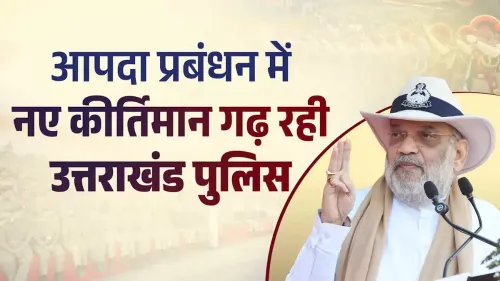
Union Home Minister Amit Shah highlighted on 6 November 2026 that the ITBP and Uttarakhand Police are invariably the first to reach people trapped in remote Himalayan zones, underscoring the integrated first-responder architecture under the Ministry of Home Affairs.
Key Takeaways
Amit Shah posted on 6 November 2026 that ITBP or Uttarakhand Police are the first to reach those trapped in inaccessible areas.
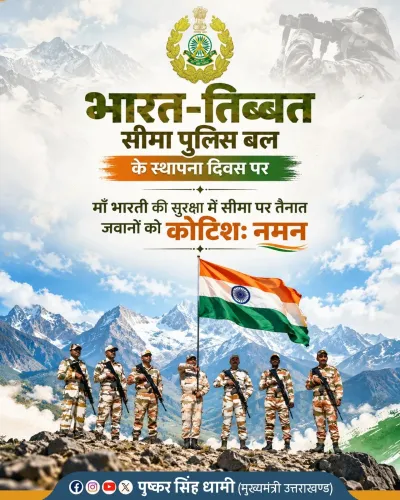
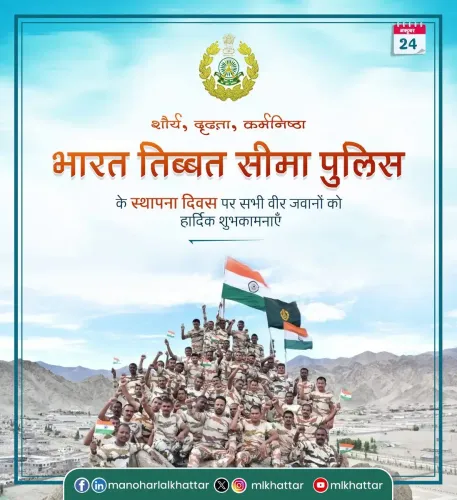
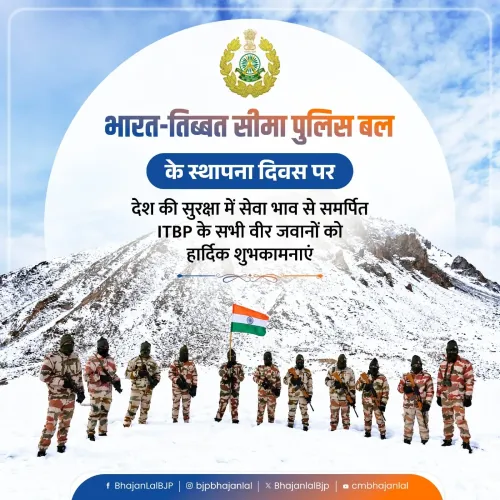
The Indo-Tibetan Border Police was established in 1962 after the Sino-Indian conflict to guard India's Himalayan frontier with China.
Both ITBP and Uttarakhand Police operate under overlapping mandates in Uttarakhand , which borders China and Nepal.
Post- 2013 Kedarnath floods , the Ministry of Home Affairs formalised joint disaster-response protocols between Central Armed Police Forces and hill-state police.
The statement reflects a broader Home Ministry policy of interoperability between central paramilitary forces and state police in high-altitude terrain.
When a landslide buries a mountain trail or a flood cuts off a Himalayan village, there is no time to wait for help to travel from the plains. Union Home Minister Amit Shah made exactly that point on Friday, 6 November 2026, spotlighting the first-responder role of two forces that operate where most others cannot reach.
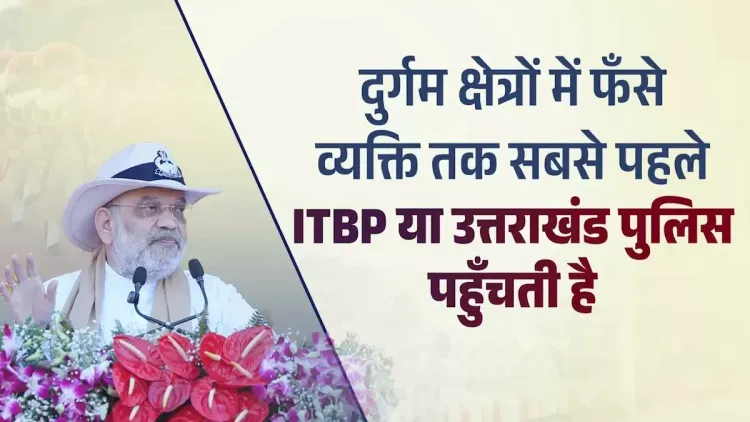
Shah wrote in Hindi: 'दुर्गम क्षेत्रों में फँसे व्यक्ति तक सबसे पहले या तो ITBP पहुँचती है या उत्तराखंड पुलिस का जवान।' — 'In inaccessible areas, the person who is trapped is reached first either by the ITBP or by a soldier of the Uttarakhand Police.' Seven words capture a reality that takes years of institutional investment to build.
ITBP: born on the Himalayan frontier
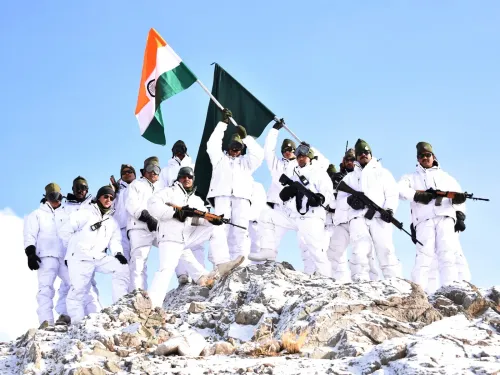
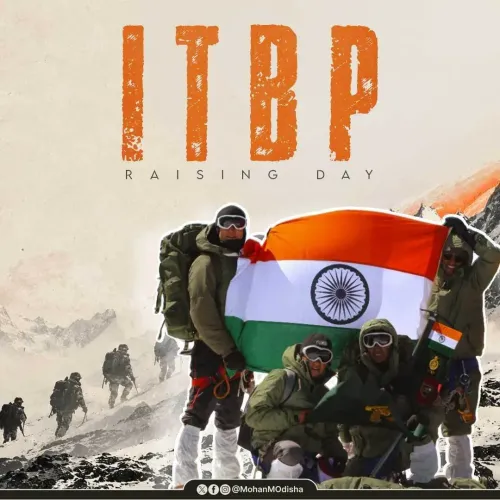
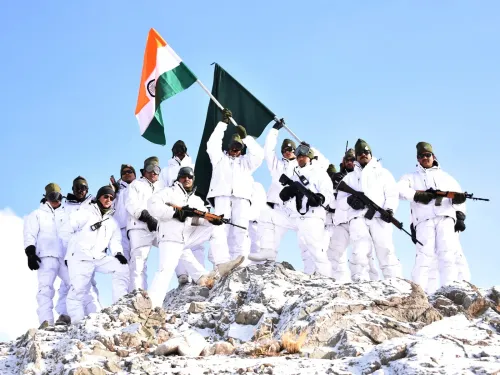
The Indo-Tibetan Border Police (ITBP) was raised in 1962 in the immediate aftermath of the Sino-Indian conflict, with a mandate to guard India's high-altitude border with China across the Himalayas. That posting — permanent camps above 4,000 metres, sub-zero winters, terrain where helicopters cannot always fly — means ITBP personnel are uniquely conditioned for rescue work that would stop most responders cold. The force operates under the Ministry of Home Affairs, directly within Shah's portfolio.
Uttarakhand Police's parallel reach into the valleys
Uttarakhand, the northern Himalayan state bordering China and Nepal, is among India's most disaster-prone regions — avalanches, cloudbursts, flash floods, and landslides are seasonal realities, not exceptional events. The 2013 Kedarnath floods became a turning point: the Ministry of Home Affairs subsequently strengthened protocols for joint operations between Central Armed Police Forces and state police in disaster zones. Uttarakhand Police, embedded in remote districts year-round, often shares first-responder duty with ITBP precisely because both forces know the terrain intimately.
The integrated architecture Shah is underlining
The Home Minister's remark is not merely a compliment — it is a statement about how India's northern security architecture is designed. Central paramilitary forces and hill-state police operate in overlapping zones, enabling redundancy: if one cannot reach in time, the other can. Successive Home Ministry policies have emphasised this interoperability, treating border security and disaster response as two sides of the same operational coin. Shah's post — accompanied by a video — fits a pattern of his using social media to illuminate the operational reach of forces under his ministry, particularly in the run-up to winter, when Himalayan rescue seasons peak.
The soldiers on those frozen ridgelines are, as Shah frames it, the state's last mile — and its first response.
Point of View
Not an offhand observation — it frames the Home Ministry's layered deployment model as a humanitarian asset, not just a security one. By placing ITBP and Uttarakhand Police in the same sentence, he reinforces the Centre-state coordination argument that his ministry has championed since the 2013 Kedarnath disaster. The video accompanying the post suggests a curated communication effort to build public awareness of forces that operate largely out of sight. As winter approaches and Himalayan rescue seasons intensify, the timing sharpens the message further.
NationPress
7 Nov 2026
Frequently Asked Questions
What did Amit Shah say about ITBP and Uttarakhand Police?
Shah said that in inaccessible areas, the person trapped is reached first either by the ITBP or by a soldier of the Uttarakhand Police, highlighting their role as frontline first responders in Himalayan terrain.
What is the ITBP and what does it do?
The Indo-Tibetan Border Police is a Central Armed Police Force under the Ministry of Home Affairs, raised in 1962 to guard India's high-altitude border with China. It also conducts search and rescue operations in remote Himalayan areas.
Why is Uttarakhand particularly prone to disasters?
Uttarakhand is a northern Himalayan state bordering China and Nepal that regularly faces avalanches, cloudbursts, flash floods, and landslides, making rapid first-responder deployment critical.
How did the 2013 Uttarakhand floods change disaster response?
The catastrophic 2013 Kedarnath floods prompted the Ministry of Home Affairs to strengthen joint operation protocols between Central Armed Police Forces and state police in disaster zones.
Which ministry oversees ITBP?
ITBP operates under the Ministry of Home Affairs, which is headed by Union Home Minister Amit Shah.