Amit Shah: Not a gram of drugs will enter India via Punjab
Synopsis
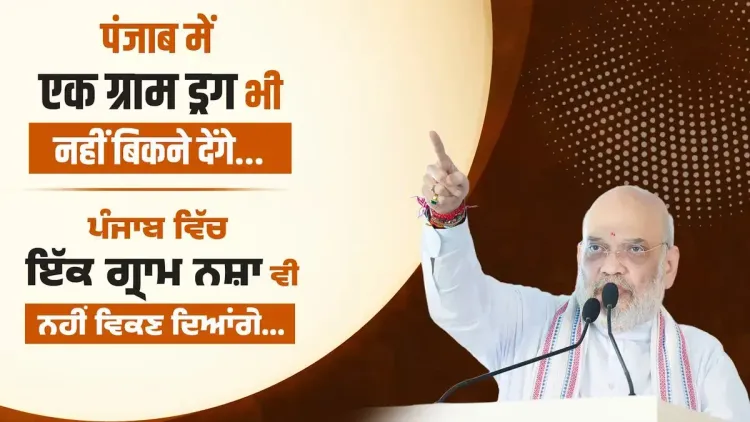
Union Home Minister Amit Shah declared on 30 September 2026 that not a gram of drugs will be sold in Punjab or allowed to enter India via the state, reaffirming the Centre's zero-tolerance stance on narcotics trafficking through the Pakistan-border corridor.
Key Takeaways
Amit Shah posted a bilingual (Hindi and Punjabi) zero-tolerance drug pledge on 30 September 2026 .
He vowed no drugs will be sold in Punjab and none will enter India via Punjab's border corridor.
Punjab borders Pakistan and is a historically identified transit route for cross-border narcotics smuggling.
The Narcotics Control Bureau (NCB) , under Shah's Ministry of Home Affairs, is the central enforcement body for drug control.
The Nasha Mukt Bharat Abhiyan , launched in 2020 , lists Punjab as a priority state for demand and supply reduction.
Joint central-state border operations and any follow-up parliamentary action will be the practical test of this resolve.
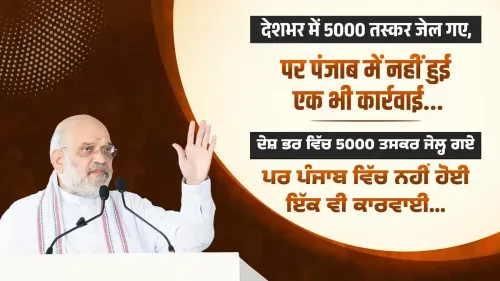
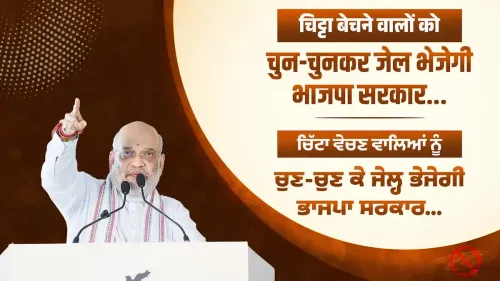
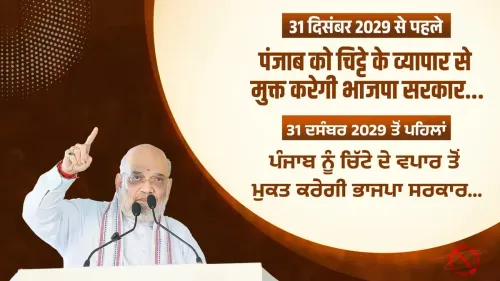
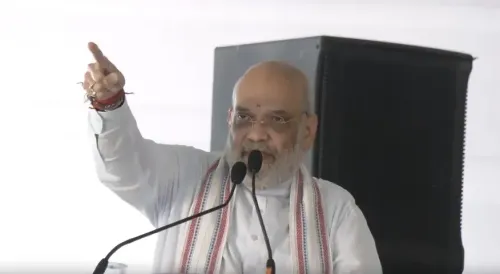
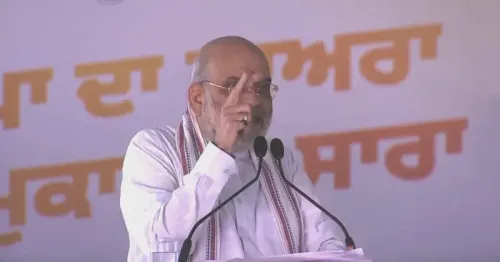
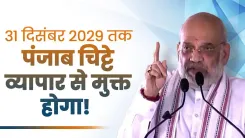
Punjab's drug crisis has long shadowed its borders — and on Wednesday, 30 September 2026, Union Home Minister Amit Shah made a pointed, zero-tolerance declaration: not a single gram of narcotics will be sold inside Punjab, and not a single gram will be allowed to enter India through it.
Posting in both Hindi and Punjabi on X, Shah stated: 'Punjab mein ek gram drug bhi nahin bikne denge aur Punjab ke raste Bharat mein ek gram drug bhi nahin aane denge, yahi hamara sankalp hai' — ('We will not allow even a gram of drugs to be sold in Punjab, and we will not allow even a gram of drugs to enter India via Punjab — this is our resolve.')
Why Punjab sits at the heart of India's drug fight
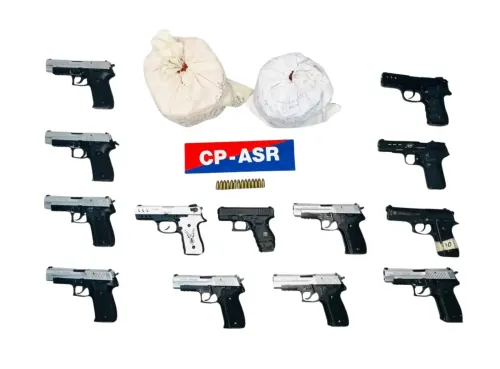
Punjab shares a long international border with Pakistan and has for decades been identified as a primary transit corridor for narcotics moving into India. Heroin, synthetic drugs and pharmaceutical contraband have repeatedly been traced to cross-border smuggling routes through the state. The human cost — particularly among Punjab's youth — has made drug trafficking a persistent political and public-health emergency.
The Narcotics Control Bureau (NCB), which functions under the Ministry of Home Affairs, is the central coordinating body for enforcement. Shah, as Union Home Minister, oversees both the NCB and national border security architecture, giving his statement direct operational weight beyond political rhetoric.
Nasha Mukt Bharat Abhiyan and the central push
The declaration fits within a broader federal campaign. The Nasha Mukt Bharat Abhiyan, launched in 2020, targets drug demand and supply reduction across high-burden states — with Punjab consistently listed as a priority district. Central and state agencies have periodically conducted joint seizure operations and community-awareness drives under this framework.
Shah's bilingual post — addressed equally in Hindi and Punjabi — signals that the message is aimed directly at residents and state authorities alike. It also underscores the Centre's intent to frame border-linked drug trafficking as a national security concern, not merely a state law-and-order matter.
What this resolve means on the ground
The key test will be operational: whether the statement translates into intensified joint central-state operations along Punjab's border corridors. Watchers will be tracking any follow-up cabinet or parliamentary action on narcotics enforcement, enhanced NCB deployments, or coordinated intelligence-sharing between Punjab Police, border agencies and central forces.
A pledge from the country's top internal-security minister, delivered publicly and bilingually, raises the political stakes — the next headline from Punjab's border will be measured against it.
Point of View
Speaking past state institutions directly to voters. Whether the pledge reshapes ground operations or remains rhetorical will depend on the Centre's willingness to escalate NCB and paramilitary deployments in ways that friction with the elected state government.
NationPress
30 Sept 2026
Frequently Asked Questions
What did Amit Shah say about drugs in Punjab?
Amit Shah declared on 30 September 2026 that not a single gram of drugs will be allowed to be sold in Punjab and not a single gram will be permitted to enter India via Punjab — calling it the government's firm resolve.
Why is Punjab considered a drug transit route?
Punjab shares a long border with Pakistan and has historically been identified as a major corridor for narcotics — including heroin and synthetic drugs — smuggled into India, with the crisis disproportionately affecting the state's youth.
Which agency handles narcotics control in India?
The Narcotics Control Bureau (NCB), which functions under the Union Ministry of Home Affairs headed by Amit Shah, is the central agency responsible for enforcing drug laws and coordinating seizures across India.
What is the Nasha Mukt Bharat Abhiyan?
Nasha Mukt Bharat Abhiyan is a national campaign launched in 2020 to reduce drug demand and supply in high-burden states, with Punjab consistently listed as a priority region under the programme.
What action could follow Amit Shah's drug pledge for Punjab?
Analysts will watch for intensified joint central-state operations along Punjab's Pakistan border, enhanced NCB deployments, and any follow-up cabinet or parliamentary decisions on narcotics enforcement.