Amit Shah Pledges Drug-Free Punjab by 2029 at BJP Rally
Synopsis
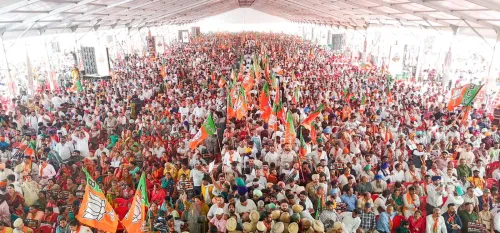
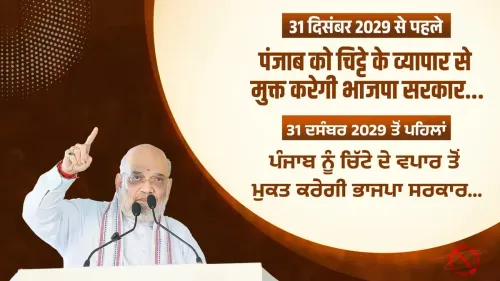
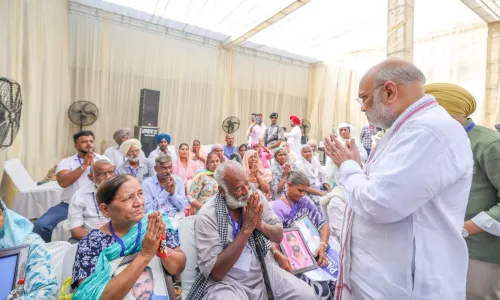
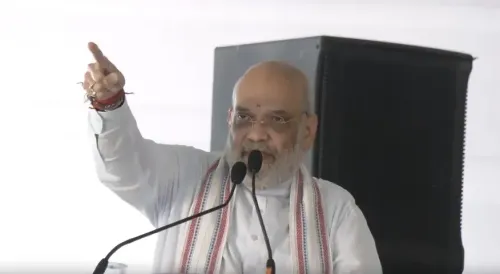
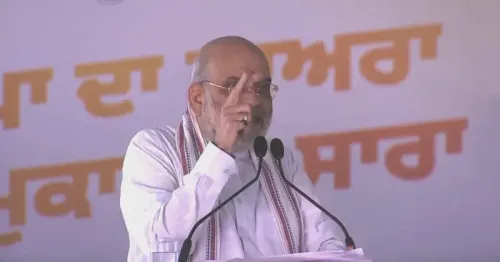
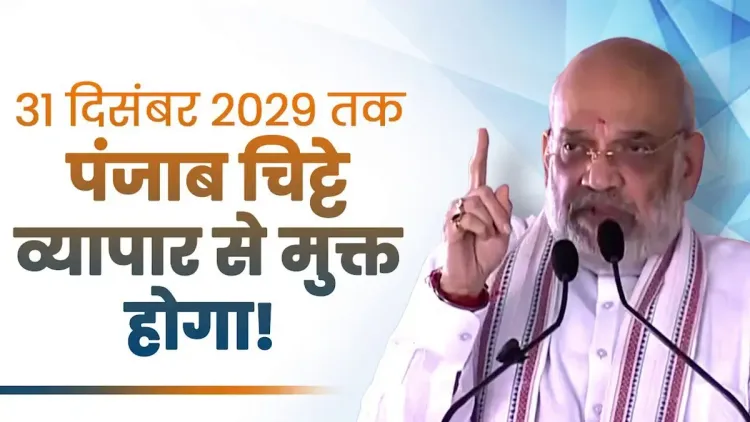
At a campaign rally under the Nasha Mukt Punjab Yatra, Union Home Minister Amit Shah promised mothers and youth that a BJP government will eliminate Punjab's chitta drug trade by December 31, 2029. Senior BJP leader Smriti Irani amplified the pledge on X, framing it as the party's defining electoral commitment in the state.
Key Takeaways
Amit Shah made a time-bound public pledge to make Punjab free of the chitta (heroin) drug trade by December 31, 2029 .
The promise was delivered at a Nasha Mukt Punjab Yatra rally, BJP's ongoing anti-drug campaign tour across the state.
Smriti Irani quoted Shah's words verbatim on X, amplifying the commitment to a national audience.
The pledge is specifically addressed to Punjab's mothers and youth — the demographics most directly impacted by the drug crisis.
BJP's anti-drug pitch draws on the Nasha Mukt Bharat Abhiyan launched in August 2020 by the Ministry of Social Justice and Empowerment.
Punjab's cross-border heroin smuggling has been a recurring national security and public-health concern, with central agencies conducting multiple anti-narcotics operations in the state.
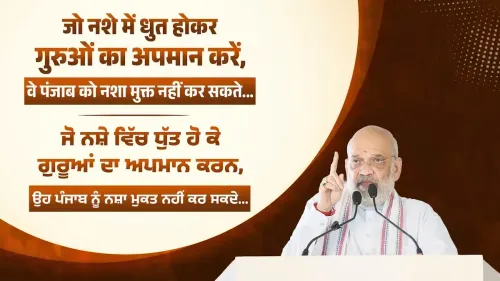
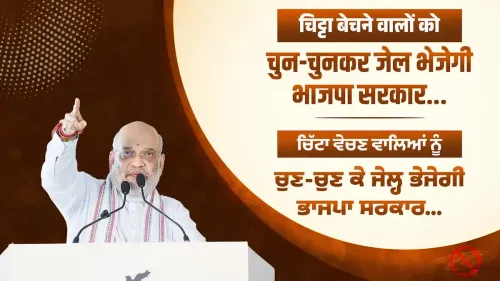
A promise from the country's top law-enforcement official — delivered to mothers and youth on the campaign trail — is now the centrepiece of BJP's Punjab election pitch. At a public gathering on Wednesday, September 30, 2026, Union Home Minister Amit Shah made a time-bound commitment: vote BJP, and Punjab will be free of the white-powder drug trade by December 31, 2029. Senior BJP leader Smriti Irani amplified the pledge on X, quoting Shah's words verbatim under the hashtag #NashaMuktPunjabYatra.
The Pledge Shah Made — Word for Word
Irani's post quotes Shah directly: 'आज मैं यहां से पंजाब की माताओं और युवाओं से वादा करके जाता हूं' — 'Today I leave from here having made a promise to the mothers and youth of Punjab.' The promise: support BJP, press the lotus button, and the party will rid Punjab of the chitta (heroin) trade by the end of 2029. The framing — addressed specifically to mothers and youth — is deliberate. Drug abuse in Punjab has devastated families across the state for over a decade, and both demographics represent the sharpest emotional fault line in any Punjab election.
Nasha Mukt Punjab Yatra and the Campaign Behind It
The pledge was made under the banner of the Nasha Mukt Punjab Yatra, a BJP-led public outreach drive that has been taking the party's anti-drug message to towns and villages across the state. The yatra draws political lineage from the Nasha Mukt Bharat Abhiyan, the national campaign launched in August 2020 by the Ministry of Social Justice and Empowerment to curb substance abuse among youth. That national programme targeted districts with high drug-use prevalence — Punjab featured prominently on that list.
Punjab's Drug Crisis as an Electoral Battleground
Punjab, sharing a long, porous border with Pakistan, has been at the epicentre of cross-border narcotics smuggling for years. Central agencies under the Home Ministry have conducted repeated anti-narcotics operations in the state, seizing consignments of heroin — locally called chitta — that flow in through border districts. BJP has consistently framed the drug menace as both a public-health emergency and a national security failure, using it as a wedge issue against rival parties that have governed the state.
Setting a hard deadline — December 31, 2029 — raises the political stakes considerably. It transforms a broad campaign promise into a measurable, time-stamped commitment that voters and opponents alike can hold the party to if it comes to power. Whether the machinery to deliver on it exists is a question the campaign trail does not yet answer.
Irani's Role in Amplifying the Anti-Drug Message
Smriti Irani, a senior BJP leader and former Union Minister who has held portfolios in Women and Child Development as well as Minority Affairs, has been active in carrying the party's Punjab campaign messaging to a national social-media audience. Her decision to quote Shah's pledge verbatim — rather than paraphrase it — signals the party's intent to lock in the commitment publicly and make it a defining promise of this election cycle.
For Punjab's families, the promise lands in a landscape of exhaustion and grief. The kicker is simple: by 2029, either the white-powder trade is gone — or the promise is.
Point of View
High-reward electoral manoeuvre — converting a chronic governance failure into a measurable campaign contract. By anchoring the promise to a specific date, BJP is betting that the emotional weight of the drug crisis among Punjab's families outweighs scepticism about deliverability. The Nasha Mukt Punjab Yatra also mirrors the party's broader border-state strategy: linking cross-border narcotics flows to national security, an arena where the Home Ministry holds maximum institutional authority. If BJP wins Punjab, the 2029 deadline becomes a policy albatross as much as a mandate.
NationPress
1 Oct 2026
Frequently Asked Questions
What did Amit Shah promise about Punjab's drug problem?
Union Home Minister Amit Shah promised at a BJP rally that if voters support the party, Punjab will be freed from the chitta (heroin) drug trade by December 31, 2029 .
What is the Nasha Mukt Punjab Yatra?
The Nasha Mukt Punjab Yatra is a BJP-led campaign tour focused on raising awareness about drug abuse and making public pledges to address Punjab's narcotics crisis ahead of state elections.
What is chitta and why is it a problem in Punjab?
Chitta is a local term for heroin or similar white-powder narcotics that have fuelled a severe drug-abuse crisis in Punjab, largely linked to cross-border smuggling from Pakistan.
What is the Nasha Mukt Bharat Abhiyan?
The Nasha Mukt Bharat Abhiyan is a national anti-drug campaign launched in August 2020 by the Ministry of Social Justice and Empowerment to curb substance abuse, with Punjab among its priority states.
Why did Smriti Irani share Amit Shah's Punjab drug pledge?
Senior BJP leader Smriti Irani shared Shah's verbatim quote on X to amplify the party's anti-drug electoral commitment in Punjab to a national audience under the hashtag #NashaMuktPunjabYatra .