CM Saini backs Shah's resolve to make Punjab drug-free by 2029
Synopsis
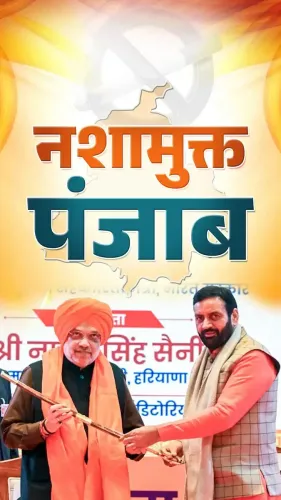
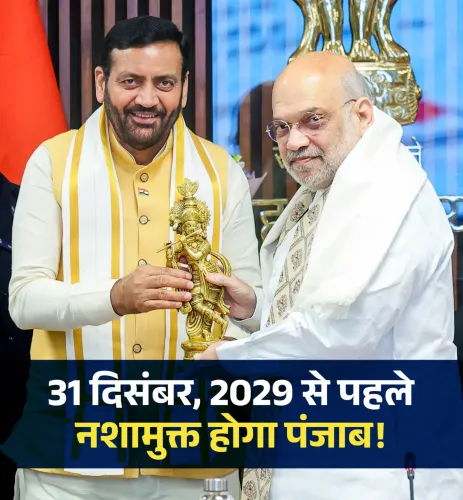
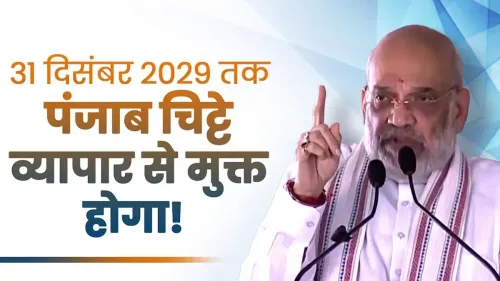
Haryana CM Nayab Singh Saini on October 18, 2026, publicly echoed Union Home Minister Amit Shah's resolve to make Punjab drug-free before 2029, spotlighting the BJP's sustained political and administrative focus on the state's long-running narcotics crisis.
Key Takeaways
Haryana CM Nayab Singh Saini shared Home Minister Amit Shah 's resolve to make Punjab drug-free before 2029 on October 18, 2026.
Punjab has faced a severe and long-standing drug abuse and trafficking crisis, with cross-border routes from Pakistan identified as a key supply channel.
The central government's National Action Plan for Drug Demand Reduction , active since 2014 , and the Narcotics Control Bureau coordinate federal anti-narcotics efforts with states.
Haryana and Punjab share a border and are linked by the same trafficking networks, giving Haryana's CM a direct stake in Punjab's drug problem.
The 2029 deadline sets a measurable political benchmark that will be tested by NCB operations, enforcement data, and demand-reduction outcomes in the coming years.
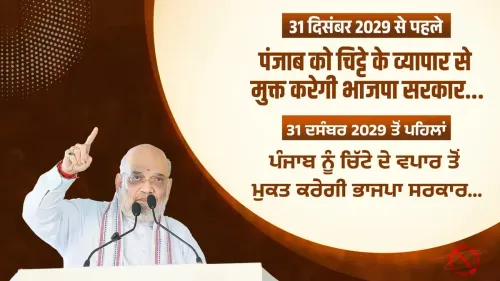
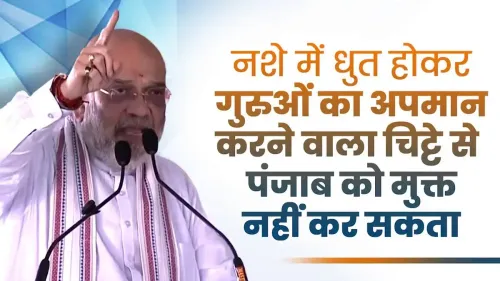
A deadline — and a promise. Haryana Chief Minister Nayab Singh Saini on Sunday, October 18, 2026, amplified Union Home Minister Amit Shah's stated resolve to rid Punjab of drugs before 2029, sharing the commitment publicly on X in a post that signals the BJP's continued focus on the narcotics crisis gripping India's northwest.
Saini's post read: 'माननीय @AmitShah जी का संकल्प - 2029 से पहले पंजाब नशा मुक्त' — 'Honourable Amit Shah ji's resolve: Punjab drug-free before 2029.' Brief, pointed, and deliberately public.
Punjab's drug crisis and the political spotlight
Punjab's battle with drug abuse is not new. The state has long grappled with heroin and synthetic drug trafficking, much of it traced to cross-border routes from Pakistan. Families torn apart, young lives lost — the human cost is well-documented and politically potent. For years, successive governments have wrestled with the problem, and for equally long, rival parties have traded blame over who let it fester. The Narcotics Control Bureau and the central government's National Action Plan for Drug Demand Reduction — active since 2014 — have provided a federal backbone for state-level enforcement. Yet the scale of the challenge has consistently outpaced the response.Shah's resolve and the 2029 marker
By publicly anchoring a 2029 deadline to Shah's name, Saini does two things at once: he frames the anti-drug effort as a senior leadership commitment at the national level, and he sets a measurable, time-bound bar — one that will be difficult to quietly abandon as the deadline approaches. Whether this signals a new formal programme or is part of ongoing enforcement rhetoric, the post carries the weight of a Home Ministry-backed pledge. Saini's position as Haryana's Chief Minister is relevant here: Haryana shares a long border with Punjab and is both a transit and destination state in the same narcotics trafficking networks. The two states' fates on this issue are intertwined.What the BJP's messaging machine is doing
BJP leaders in border states have periodically trained public attention on Punjab's drug problem, often in contrast to the Congress and AAP governments that have held power in Chandigarh. Saini's amplification of Shah's commitment fits a broader pattern: using the narcotics issue to keep the political and administrative pressure on Punjab's government while positioning the central BJP leadership as the driver of solutions. The real measure will come in the form of joint Narcotics Control Bureau operations, state-level enforcement data, and demand-reduction programme outcomes. Those numbers — when they arrive — will either vindicate the 2029 deadline or expose it.Point of View
The BJP creates a high-visibility accountability marker on one of Punjab's most emotionally charged issues. The 2029 timeline aligns neatly with the electoral cycle, ensuring the drug-free pledge stays on the agenda through the next round of state elections. For BJP-governed Haryana, echoing this commitment also signals inter-state coordination optics — presenting a federal, border-state coalition against narcotics rather than a purely Punjab-centric problem. The real test will be whether enforcement data and demand-reduction metrics from 2027 onwards bear out the ambition.
NationPress
18 Oct 2026
Frequently Asked Questions
What is Amit Shah's resolve about Punjab being drug-free?
Union Home Minister Amit Shah has expressed a resolve to make Punjab drug-free before 2029, a commitment amplified publicly by Haryana CM Nayab Singh Saini on October 18, 2026.
Why is Punjab's drug problem a political issue?
Punjab has struggled with severe drug abuse and trafficking for years, with cross-border supply routes and high youth addiction rates making it a deeply emotional and politically contested issue between rival parties.
What is the Narcotics Control Bureau's role in Punjab?
The Narcotics Control Bureau coordinates federal anti-narcotics enforcement with state governments, including joint operations and implementation of the National Action Plan for Drug Demand Reduction active since 2014.
Why did Haryana's CM post about Punjab's drug problem?
Haryana shares a border with Punjab and is part of the same drug trafficking network, giving CM Nayab Singh Saini a direct regional stake in the issue, alongside the BJP's broader political messaging on narcotics.
What does drug-free Punjab by 2029 mean in practice?
The 2029 deadline sets a time-bound political target for reducing drug abuse and trafficking in Punjab, to be measured through NCB operations, state enforcement data, and demand-reduction programme outcomes.