Amit Shah Pays Tribute to Charan Singh on Death Anniversary
Synopsis
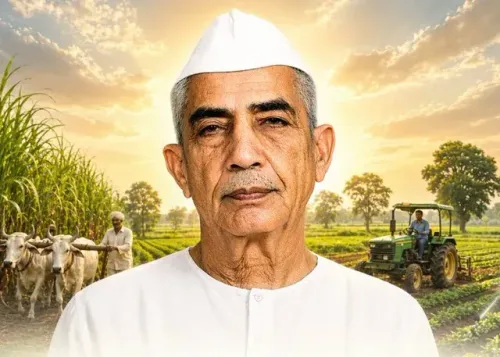
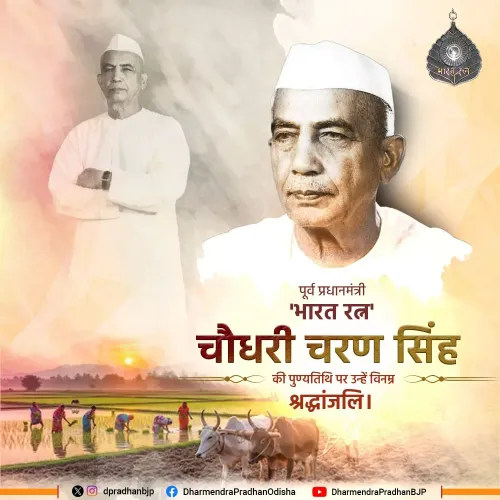
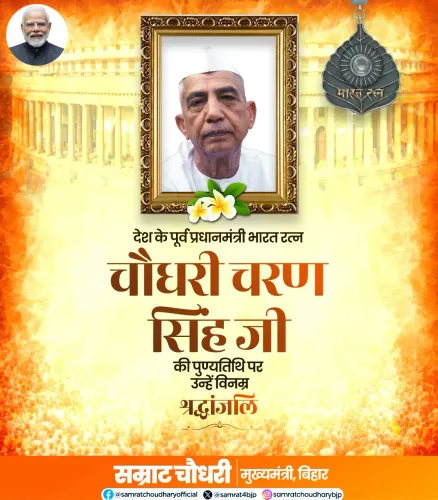
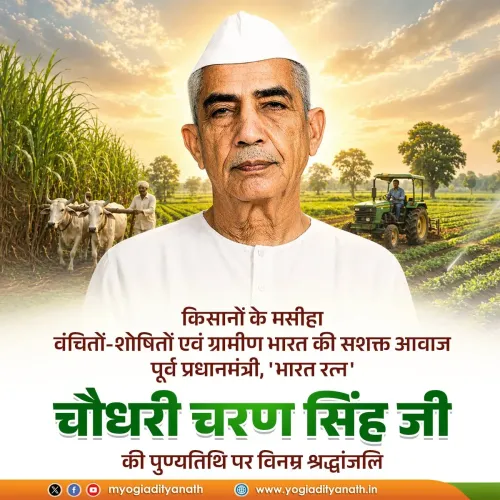
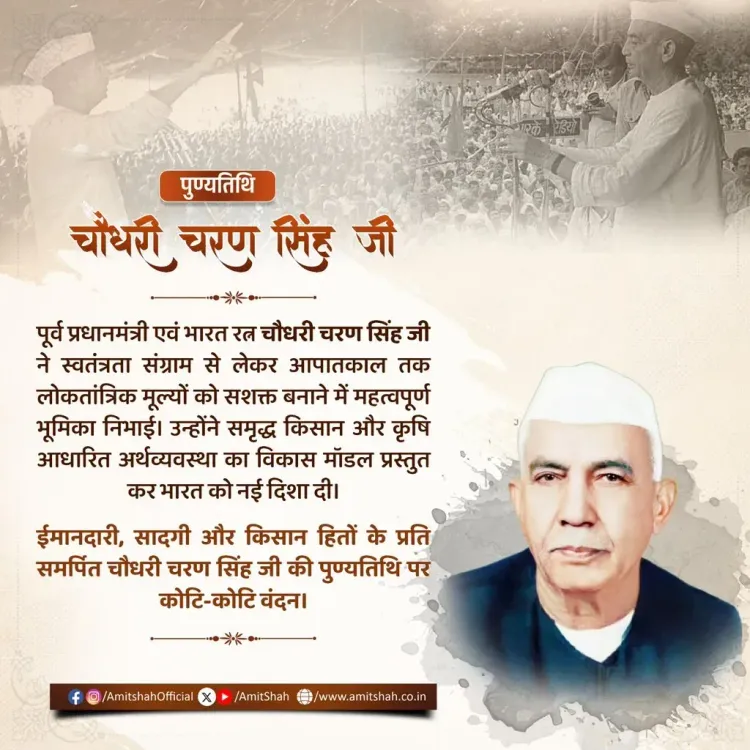
Union Home Minister Amit Shah on 29 May 2026 paid tribute to former Prime Minister Chaudhary Charan Singh on his death anniversary, honouring his legacy as a farmer champion, democratic stalwart, and Bharat Ratna awardee who shaped India's agrarian political narrative.
Key Takeaways
Union Home Minister Amit Shah paid tribute to former PM Chaudhary Charan Singh on his death anniversary, 29 May 2026 .
Shah credited Charan Singh with strengthening democratic values 'from the freedom struggle to the Emergency' and championing an agriculture-based development model.
The Government of India awarded Charan Singh the Bharat Ratna posthumously in 2024 .
Charan Singh served as Prime Minister of India from 1979 to 1980 and is widely regarded as one of India's foremost farmer leaders.
Shah described Charan Singh as dedicated to 'honesty, simplicity, and the interests of farmers' ( ईमानदारी, सादगी और किसान हित ).
The tribute is part of a wider BJP practice of commemorating Charan Singh's death anniversary to reinforce farmer-welfare and pro-democracy messaging.
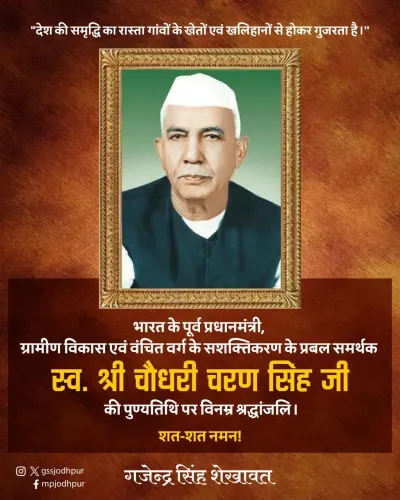
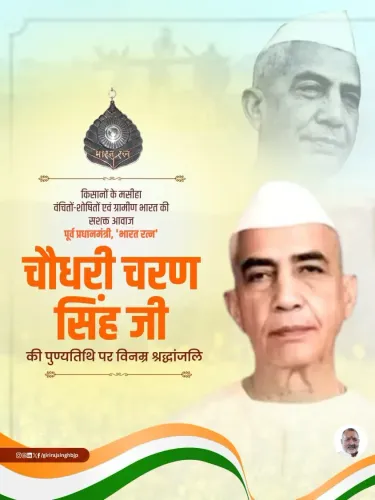
Union Home Minister Amit Shah on Friday, 29 May 2026, paid tribute to former Prime Minister and Bharat Ratna awardee Chaudhary Charan Singh on his death anniversary, honouring his legacy as a champion of farmers, democratic values, and simplicity in public life.
Context
In his post, Shah wrote: 'ईमानदारी, सादगी और किसान हितों के प्रति समर्पित' — 'dedicated to honesty, simplicity, and the interests of farmers' — offering 'countless salutations' (koti-koti vandan) on the death anniversary of the former Prime Minister. He credited Charan Singh with playing a 'pivotal role in strengthening democratic values from the freedom struggle to the Emergency' and presenting a development model centred on a prosperous farmer community and agriculture-based economy.
Chaudhary Charan Singh served as Prime Minister of India from 1979 to 1980 and remains one of the most prominent agrarian leaders in the country's post-independence history. He was born on 23 December 1902 in Uttar Pradesh and spent decades championing land reforms and the rights of small and marginal farmers.
Policy Backdrop
The Government of India conferred the Bharat Ratna — the country's highest civilian honour — posthumously on Chaudhary Charan Singh in 2024, recognising his contributions to the freedom movement and his lifelong advocacy for agricultural communities. The honour placed him alongside other stalwarts recognised in the same year in what was one of the most expansive rounds of the award in recent memory.
Shah's tribute specifically invoked Charan Singh's resistance during the Emergency (1975–1977), the period when civil liberties were suspended under the government of Indira Gandhi and opposition leaders, including Charan Singh, were detained. This framing connects historical democratic resistance with contemporary political messaging around constitutional values.
Stakeholders and Impact
Charan Singh's legacy holds particular resonance among farming communities and rural populations across northern India, especially in Uttar Pradesh, Haryana, and Rajasthan. His advocacy for an agriculture-first development model and equitable land distribution continues to shape rural political discourse in the Hindi heartland.
Senior BJP leaders regularly pay tribute on 29 May — Charan Singh's death anniversary — as part of a broader effort to connect the party's farmer-welfare agenda with the legacy of pre-1980 non-Congress political figures. The tributes reinforce the government's messaging on schemes aimed at doubling farmer income and supporting rural livelihoods.
What's Next
The next major commemoration of Charan Singh is expected on his birth anniversary, 23 December, which in recent years has been observed with government-level events and public ceremonies. Any fresh announcements on agriculture schemes or farmer income support during the upcoming monsoon session of Parliament are likely to be framed in the context of his legacy.
As the BJP continues to consolidate its outreach in agrarian constituencies, tributes to figures like Charan Singh serve as a recurring signal of the party's intent to position itself as the natural inheritor of farmer-first politics in India.
Point of View
The BJP connects its contemporary anti-Congress narrative to a widely respected historical figure. The 2024 Bharat Ratna conferred on Charan Singh by the Modi government gives the tribute added institutional weight, reinforcing the party's claim to be the custodian of agrarian and democratic values in northern India. The pattern of annual commemorations signals that Charan Singh's legacy remains an active political asset, particularly in Uttar Pradesh and Haryana, where farmer identity politics continues to shape electoral outcomes.
NationPress
14 Oct 2026
Frequently Asked Questions
Who was Chaudhary Charan Singh?
Chaudhary Charan Singh was a former Prime Minister of India who served from 1979 to 1980. Born on 23 December 1902 in Uttar Pradesh, he was a prominent farmer leader and advocate of land reforms who championed the rights of small and marginal farmers throughout his political career.
Why did Amit Shah pay tribute to Charan Singh on 29 May?
29 May is the death anniversary of Chaudhary Charan Singh. Union Home Minister Amit Shah posted a tribute honouring his legacy as a defender of democratic values, a farmer champion, and a leader who resisted the Emergency imposed in 1975.
Was Chaudhary Charan Singh awarded the Bharat Ratna?
Yes, the Government of India conferred the Bharat Ratna — the country's highest civilian honour — posthumously on Chaudhary Charan Singh in 2024, recognising his contributions to the freedom movement and his lifelong service to India's farming communities.
What role did Charan Singh play during the Emergency?
During the Emergency (1975–1977), when civil liberties were suspended under Indira Gandhi's government, Charan Singh was among the opposition leaders who were detained. He is remembered as a defender of democratic values during that period.
What is the BJP's connection to Charan Singh's legacy?
Senior BJP leaders regularly commemorate Charan Singh's death and birth anniversaries as part of a broader effort to align the party's farmer-welfare agenda with his legacy. The 2024 Bharat Ratna awarded to Charan Singh by the Modi government further cemented this political and symbolic association.