Amit Shah visits Arunachaleswarar Temple and Ramana Ashram in Tiruvannamalai
Synopsis
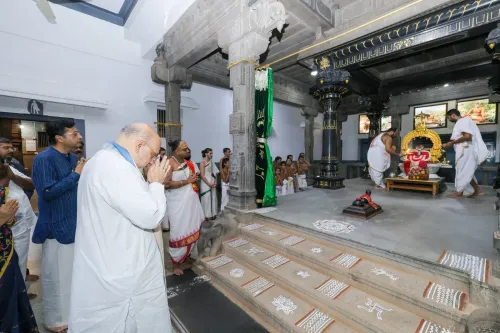
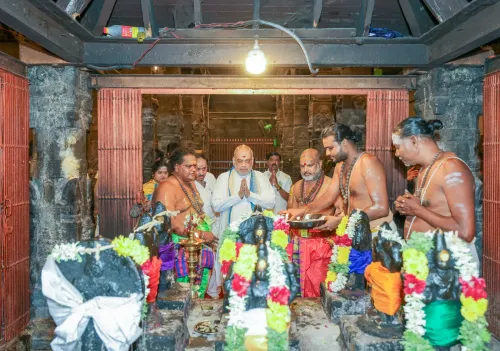
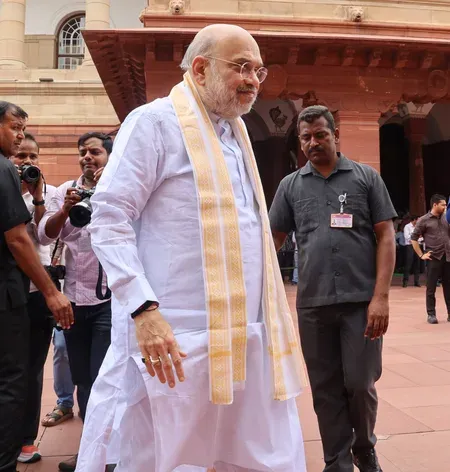
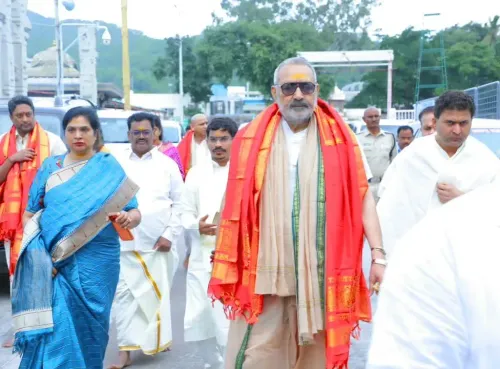
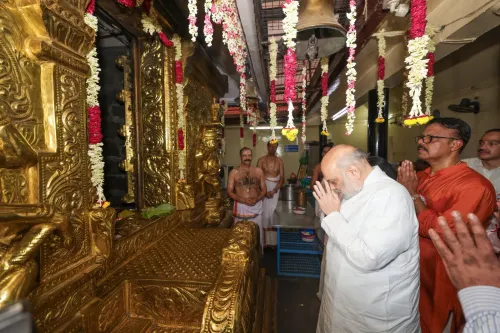
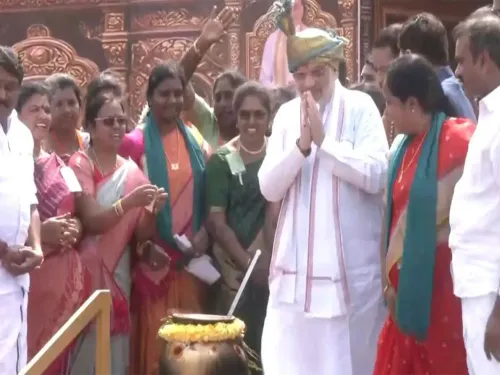
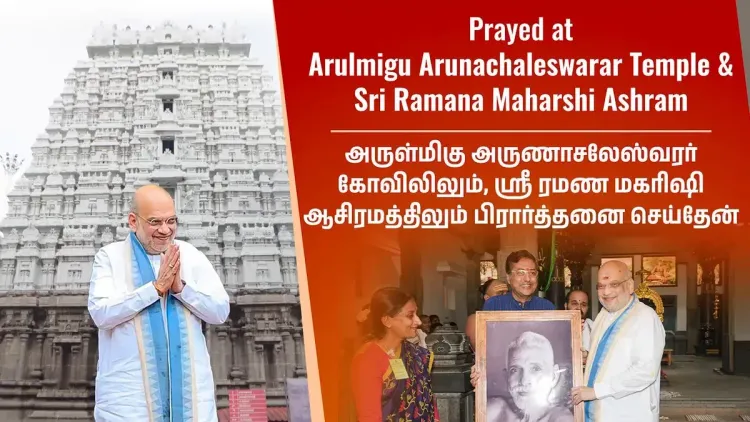
Union Home Minister Amit Shah offered prayers at the Arulmigu Arunachaleswarar Temple — one of the Pancha Bhoota Stalams — and visited the Sri Ramana Maharshi Ashram in Tiruvannamalai, Tamil Nadu, on 10 August 2026.
Key Takeaways
Amit Shah visited Tiruvannamalai, Tamil Nadu on 10 August 2026 .
He offered puja at the Arulmigu Arunachaleswarar Temple , one of India's largest Shiva temples and a Pancha Bhoota Stalam representing the fire element.
He also visited the Sri Ramana Maharshi Ashram , associated with the 20th-century Advaita Vedanta sage Ramana Maharshi (1879–1950) .
Shah shared the visit in both English and Tamil on X, reflecting the bilingual cultural outreach.
No policy announcement or political statement accompanied the visit.
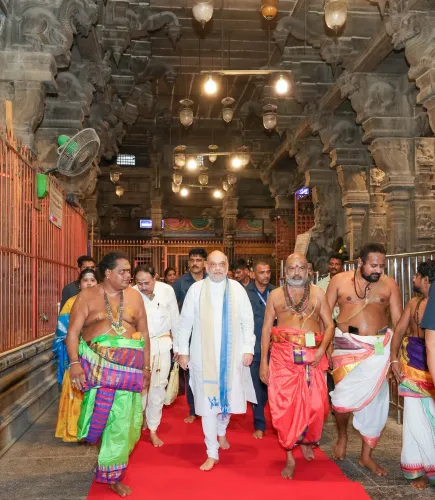
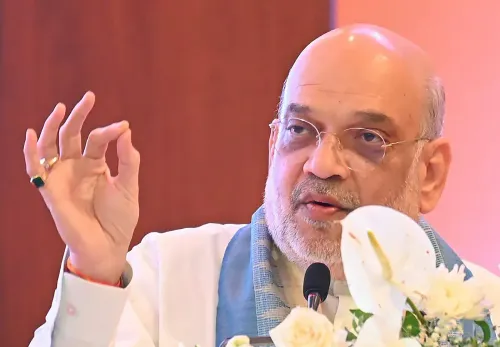
In the ancient temple town of Tiruvannamalai, Tamil Nadu, Union Home Minister Amit Shah offered prayers at the Arulmigu Arunachaleswarar Temple and visited the Sri Ramana Maharshi Ashram on Monday, 10 August 2026 — two of the most venerated spiritual sites in South India.
Shah shared the visit on X in both English and Tamil, writing: 'அருள்மிகு அருணாசலேஸ்வரர் கோவிலில் வழிபாடு மற்றும் தமிழ்நாட்டின் திருவண்ணாமலையில் உள்ள ஸ்ரீ ரமண மகரிஷி ஆசிரமத்திற்குச் சென்றேன்.' — 'Offered puja at Arulmigu Arunachaleswarar Temple and visited the sacred place Sri Ramana Maharshi Ashram in Tiruvannamalai, Tamil Nadu.'
A temple that embodies fire itself
The Arulmigu Arunachaleswarar Temple is among the largest Shiva temples in India and holds a singular place in Shaivite cosmology as one of the Pancha Bhoota Stalams — the five sacred shrines each representing a classical element. This temple enshrines the fire element (Agni), drawing millions of pilgrims annually to the foot of the sacred Arunachala Hill.
Ramana Maharshi's ashram and the pull of self-inquiry
A short distance from the temple complex lies the Sri Ramana Maharshi Ashram, the spiritual home of Ramana Maharshi (1879–1950) — a sage whose teachings on Advaita Vedanta and direct self-realisation continue to draw seekers from across the world. The ashram remains an active centre of contemplative life, anchored to the hill that Ramana himself called his guru.
For a senior Union minister to document both sites in a single post — temple and ashram, devotion and philosophy — underscores Tiruvannamalai's rare standing as a place where institutional religion and quiet mysticism coexist on the same sacred ground.
Point of View
A pattern that signals both personal devotion and deliberate outreach to Hindu pilgrimage communities. Shah's choice to post in Tamil alongside English is notable — it reflects a conscious effort to connect with Tamil-speaking audiences in a state where the BJP is working to expand its footprint. The pairing of an ancient Shaivite temple with a globally recognised Advaita ashram also gestures toward a broad-tent Hinduism that encompasses both ritual worship and philosophical tradition. Whether the visit carries any political scheduling significance beyond the devotional will depend on what other engagements, if any, accompany it in Tamil Nadu.
NationPress
10 Aug 2026
Frequently Asked Questions
Which temple did Amit Shah visit in Tiruvannamalai?
Amit Shah offered puja at the Arulmigu Arunachaleswarar Temple in Tiruvannamalai, Tamil Nadu — one of the Pancha Bhoota Stalams dedicated to the fire element in Shaivite tradition.
What is the Arulmigu Arunachaleswarar Temple known for?
It is one of the largest Shiva temples in India and one of the five Pancha Bhoota Stalams, representing the fire element. It is located at the base of the sacred Arunachala Hill in Tiruvannamalai.
What is the Sri Ramana Maharshi Ashram?
It is a spiritual centre in Tiruvannamalai associated with Ramana Maharshi (1879–1950), a Hindu sage known for his teachings on Advaita Vedanta and self-inquiry. The ashram remains an active contemplative centre.
When did Amit Shah visit Tiruvannamalai?
Amit Shah visited Tiruvannamalai on Monday, 10 August 2026, as shared by him on X.
Did Amit Shah make any political announcement during the Tiruvannamalai visit?
No. The post shared by Shah documented only the devotional and spiritual nature of the visit, with no policy announcement or political statement attached.