PMK's Anbumani Ramadoss urges TN to challenge SC order on 151 super-speciality seats
Synopsis
A Supreme Court order directing Tamil Nadu to surrender 151 unfilled super-speciality medical seats to the All India Quota has drawn sharp pushback from PMK's Anbumani Ramadoss, who says the seats were never truly unfillable — just mid-process — and that transferring them will hollow out specialist care in government hospitals that millions depend on.
Key Takeaways
PMK President Dr Anbumani Ramadoss on 1 June urged the Tamil Nadu government to challenge a Supreme Court order in a larger bench.
The court directed 151 unfilled super-speciality seats reserved for government doctors to be surrendered to the All India Quota .
Tamil Nadu has 215 seats reserved under the government doctors' quota out of 415 super-speciality seats in government medical colleges.
In the first counselling round, only 68 of 71 allotted candidates accepted seats; the second round had not yet taken place when the petition was filed.
Ramadoss argued that a qualifying-mark relaxation — expected from the Centre — would fill all 151 remaining seats with eligible government doctors.
He warned that surrendering the seats risks a critical shortage of specialist doctors in Tamil Nadu's public hospitals.
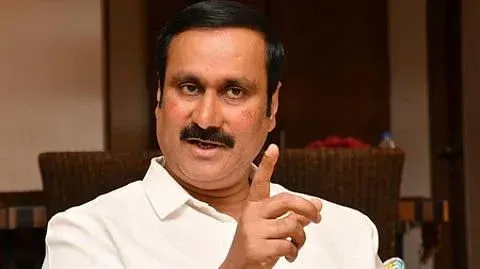
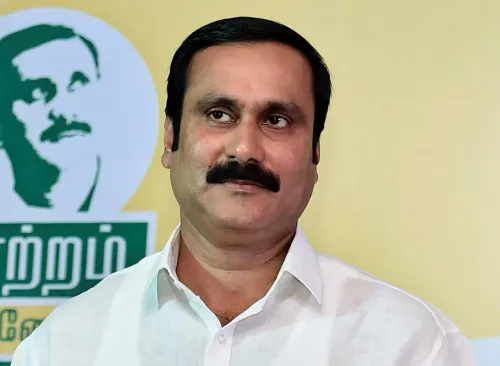
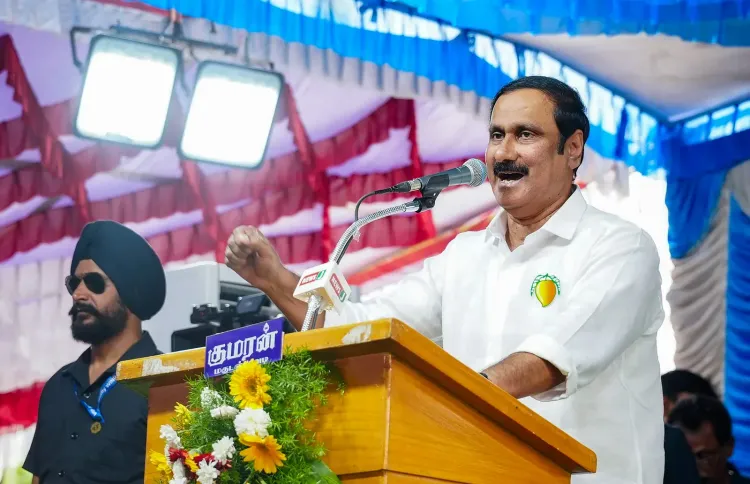
Pattali Makkal Katchi (PMK) President Dr Anbumani Ramadoss on Monday, 1 June urged the Tamil Nadu government to challenge a Supreme Court order directing that 151 unfilled super-speciality medical seats — reserved for government doctors in the state — be surrendered to the All India Quota. Ramadoss described the ruling as unjust and warned it could critically undermine Tamil Nadu's public healthcare system.
Background: The Reserved Seats Policy
Tamil Nadu has a total of 670 super-speciality postgraduate medical seats, of which 415 are located in government medical colleges. Of these, 50 per cent — amounting to 215 seats — are reserved exclusively for doctors already serving in government hospitals. Doctors admitted under this quota are required to sign a bond committing them to remain in government service until retirement.
Ramadoss argued that this reservation mechanism is the state's most reliable tool for retaining specialist doctors in public hospitals. He noted that most doctors who complete super-speciality training tend to migrate to the private sector, drawn by higher salaries and better career prospects — making the bond-linked quota indispensable to public healthcare delivery.
How the Seats Went Unfilled
Counselling for the 215 reserved seats commenced in April. In the first round, 100 candidates were invited for counselling from a pool of 170 applicants who had cleared the qualifying marks in the NEET Super Speciality examination. Of these, 71 were allotted seats, and 68 accepted their allotments.
Before the second round of counselling could be held to fill the remaining seats, a petition was filed before the Supreme Court seeking the transfer of unallotted seats to the All India Quota. The court subsequently ordered the surrender of the remaining 151 seats.
PMK's Case Against the Order
Ramadoss contended that the seats were not genuinely unfillable — they simply had not yet gone through the standard process of qualifying-mark relaxation. He pointed out that the Centre is expected to lower the qualifying threshold this year, as it has done previously, and that if Tamil Nadu applied a corresponding relaxation, all 151 seats could be filled by eligible government doctors.
He further argued that these seats were created using taxpayers' money and rightfully belong to the people of Tamil Nadu. Surrendering them to the All India Quota, he warned, would lead to a tangible shortage of specialist doctors in government hospitals, directly harming patients who depend on public healthcare.
What Ramadoss Has Demanded
The PMK president called on the state government to refrain from transferring the seats and to file an appeal before a larger bench of the Supreme Court against the ruling. He framed the challenge not merely as a legal dispute but as a matter of constitutional and public interest — one that affects the long-term viability of specialist care in Tamil Nadu's government hospitals.
This comes amid broader tensions between state governments and the Centre over medical education quotas, with several states asserting that All India Quota transfers erode their ability to staff public health infrastructure. How the Tamil Nadu government responds to the Supreme Court order in the coming days will be closely watched.
Point of View
While procedurally defensible, arrived mid-process — before Tamil Nadu had completed its second counselling round or applied the qualifying-mark relaxation that the Centre routinely permits. Treating seats as 'unfilled' at that stage arguably misread the admission timeline. More broadly, the tension between All India Quota expansion and states' ability to staff their own public hospitals is a structural fault line in Indian medical education policy that no court order alone can resolve. Tamil Nadu's reserved-seat-with-bond model is one of the few mechanisms that has demonstrably kept specialists in government service; dismantling it by attrition through quota transfers carries a real public health cost that deserves more scrutiny than it typically receives.
NationPress
25 Sept 2026
Frequently Asked Questions
What did the Supreme Court order regarding Tamil Nadu's super-speciality medical seats?
The Supreme Court directed that 151 unfilled super-speciality medical seats reserved for government doctors in Tamil Nadu be surrendered to the All India Quota. The order came after a petition was filed before the second round of counselling could fill the remaining seats.
Why does PMK's Anbumani Ramadoss oppose the Supreme Court order?
Ramadoss argues the seats were not genuinely unfillable — the second counselling round had not yet taken place, and a qualifying-mark relaxation expected from the Centre would have filled all 151 seats with eligible government doctors. He says surrendering them will cause a specialist doctor shortage in Tamil Nadu's public hospitals.
How does Tamil Nadu's super-speciality seat reservation for government doctors work?
Of 415 super-speciality seats in Tamil Nadu's government medical colleges, 50 per cent — or 215 seats — are reserved for doctors already serving in government hospitals. Admitted doctors must sign a bond committing them to remain in government service until retirement.
What has Anbumani Ramadoss asked the Tamil Nadu government to do?
He has urged the state government not to transfer the 151 seats and to file an appeal before a larger bench of the Supreme Court against the ruling, framing it as a matter of public interest and state healthcare policy.
Why are these reserved seats considered important for Tamil Nadu's healthcare?
Most doctors who complete super-speciality training prefer private hospital jobs due to higher pay. The reserved-seat-with-bond policy is described as the state's primary mechanism for retaining highly qualified specialists in government hospitals that serve patients who cannot afford private care.