Andhra Pradesh HC strikes down 34% BC quota in local body polls
Synopsis
The Andhra Pradesh High Court has struck down the Naidu government's 34% BC reservation in local body polls, ruling it violates the Supreme Court's 50% quota ceiling. With the NDA having made this a flagship 2024 election promise, the government is rushing to the Supreme Court — and local body elections must now begin within six weeks regardless of the outcome.
Key Takeaways
The Andhra Pradesh High Court on 1 October 2026 struck down 34% reservation for Backward Classes in local body elections.
The court ruled the quota breached the 50% ceiling on total reservations in local bodies, as per Supreme Court guidelines.
Chandrababu Naidu directed officials to immediately challenge the order in the Supreme Court .
The 34% BC quota was a key promise made by the TDP-led NDA during the 2024 elections , up from the earlier 20% .
The High Court directed the state and the State Election Commission to begin local body election preparations within six weeks .
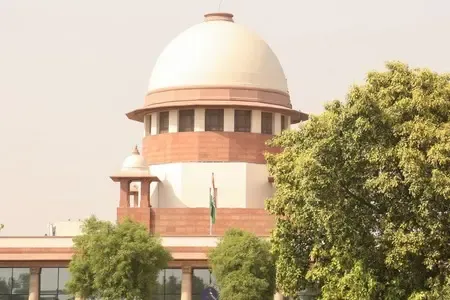
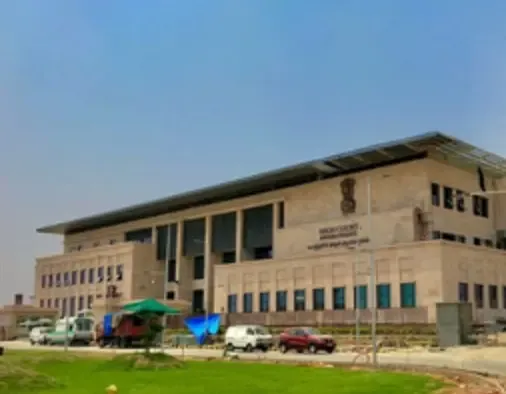
The Andhra Pradesh High Court on Thursday, 1 October 2026, struck down two government orders providing 34 per cent reservation for Backward Classes (BCs) in local body elections, dealing a significant setback to the Telugu Desam Party (TDP)-led National Democratic Alliance (NDA) government headed by Chief Minister N. Chandrababu Naidu. The court ruled that the reservation breached the 50 per cent ceiling on overall quota in local bodies, as mandated by Supreme Court guidelines.
What the High Court Ruled
The High Court pronounced its orders on a batch of writ petitions relating to gram panchayat and municipal elections across the state. The bench observed that the combined reservation for all categories must not exceed 50 per cent, a ceiling firmly established by the Supreme Court in earlier rulings. The two government orders extending 34 per cent BC quota — 34 per cent in rural local bodies and 33.33 per cent in urban local bodies — were accordingly set aside.
Notably, the High Court also directed the state government and the State Election Commission to initiate the process for local body elections within six weeks. It separately dismissed petitions that had sought to delay elections until completion of the ongoing Special Intensive Revision (SIR) of electoral rolls in the state.
Government's Reaction and Supreme Court Challenge
Acting swiftly on the verdict, the TDP-led NDA government decided to challenge the High Court order before the Supreme Court. Chief Minister Naidu directed officials to immediately approach the apex court. The speed of the government's response reflects the political weight the BC quota carries for the ruling coalition, which had positioned the reservation increase as a flagship social justice measure.
Background: A Key 2024 Election Promise
Chief Minister Naidu had formally announced the 34 per cent BC quota for local body polls on 18 August, declaring it a fulfilment of the NDA's 2024 election promise to raise BC reservation from the existing 20 per cent. Addressing the Assembly at the time, Naidu had described the move as giving BCs a meaningful 'share in decision-making power' and reaffirmed the government's commitment to social justice. The quota was among the most prominent pledges the coalition had made to BC communities during the election campaign.
Legal Context and What Comes Next
The Supreme Court's triple-test formula — requiring empirical data on backwardness, adequacy of representation, and non-breach of the 50 per cent ceiling — has repeatedly constrained states from extending BC reservations in local bodies beyond a certain threshold. Andhra Pradesh is not the first state to face such a judicial check; similar orders have been passed against Maharashtra, Madhya Pradesh, and Odisha in the past.
With the government set to challenge the order in the Supreme Court, the outcome will determine whether local body elections — already long overdue in parts of the state — proceed under the existing reservation framework or are further delayed pending a judicial resolution. The State Election Commission has been given six weeks to begin poll preparations regardless of the legal proceedings.
Point of View
The stakes are acutely political: the 34% quota was not a routine policy tweak but a centrepiece campaign promise to a numerically significant community. A failure to restore it through the Supreme Court could hand the opposition a potent line of attack. More broadly, the ruling exposes the recurring tension between electoral arithmetic and constitutional jurisprudence — states routinely announce reservation increases knowing they may not survive judicial scrutiny, using the announcement itself as the political reward regardless of outcome.
NationPress
1 Oct 2026
Frequently Asked Questions
Why did the Andhra Pradesh High Court strike down the 34% BC reservation?
The High Court ruled that the 34% Backward Class reservation in local body elections violated the Supreme Court's guideline that total reservations across all categories must not exceed 50%. The court set aside two government orders that had extended this quota to rural and urban local bodies.
What will the Andhra Pradesh government do next?
Chief Minister N. Chandrababu Naidu has directed officials to immediately challenge the High Court order before the Supreme Court. The TDP-led NDA government acted swiftly given the political significance of the BC quota as a 2024 election promise.
When must Andhra Pradesh hold local body elections?
The High Court has directed the state government and the State Election Commission to begin the process for local body elections within six weeks of the order, issued on 1 October 2026.
What was the earlier BC reservation in Andhra Pradesh local bodies?
Before the NDA government's announcement, Backward Classes had 20% reservation in local body elections. Chief Minister Naidu raised it to 34% in rural local bodies and 33.33% in urban local bodies as part of a 2024 election commitment.
Has this legal challenge happened in other states too?
Yes. Several states including Maharashtra, Madhya Pradesh, and Odisha have faced similar judicial setbacks when attempting to exceed the 50% reservation ceiling in local bodies. The Supreme Court's triple-test formula — requiring empirical data on backwardness, adequacy of representation, and non-breach of the ceiling — has consistently been the basis for such rulings.