Andhra Pradesh raises BC reservation in local bodies to 34% under TDP-led NDA
Synopsis
Andhra Pradesh's TDP-led Cabinet has restored 34% BC reservation in local bodies — a quota the government says was slashed to 24.15% by the YSRCP, costing the community roughly 16,800 elected seats. With direct mayoral elections and 28 new District Praja Parishads also approved, this is the most sweeping local governance overhaul the state has seen in over a decade.
Key Takeaways
The Andhra Pradesh Cabinet on 18 August approved 34% BC reservation in rural local bodies and 33.33% in urban local bodies.
The previous YSRCP government had reduced BC reservation to 24.15% , allegedly costing BCs around 16,800 elected positions .
Chandrababu Naidu announced the decision in the State Assembly , calling it a fulfilment of the 2024 election promise.
Direct elections for Mayors and Municipal Chairpersons were also approved to promote stable governance.
The Cabinet cleared the establishment of 28 District Praja Parishads across Andhra Pradesh .
The 34% BC quota was previously in force during local body elections in 1995, 2001, 2006, and 2013 .
The Telugu Desam Party (TDP)-led National Democratic Alliance (NDA) government in Andhra Pradesh has approved 34 per cent reservation for Backward Classes (BCs) in rural local bodies and 33.33 per cent in urban local bodies, honouring a central pledge from the 2024 state elections. The State Cabinet cleared the decision on Tuesday, 18 August, paving the way for the upcoming local body elections.
Key Decisions from the Cabinet
The Cabinet approved three major measures aimed at the socio-political upliftment of Backward Classes. Beyond the reservation hike, it decided to conduct direct elections for the posts of Mayors and Municipal Chairpersons in urban local bodies — a move the government says will promote stable governance and curb political defections. The Cabinet also approved the establishment of 28 District Praja Parishads across the state.
Currently, BCs hold 24.15 per cent reservation in local bodies. The upward revision, if implemented, would restore the 34 per cent quota that was reportedly in place through elections held in 1995, 2001, 2006, and 2013.
What Chief Minister Naidu Said
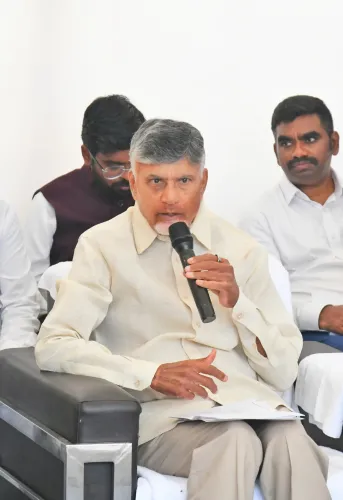
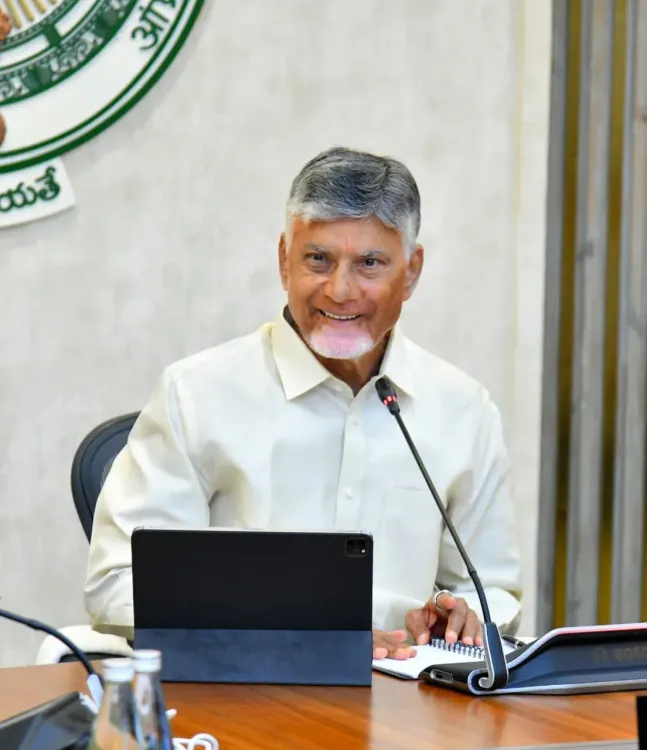
Announcing the Cabinet decisions in the State Assembly, Chief Minister N. Chandrababu Naidu described the move as historic and said it reflects the coalition government's commitment to social justice. 'A 34 per cent reservation signifies a share in decision-making power,' he said, adding that BC communities have long sustained Andhra Pradesh's economy, rural infrastructure, agriculture, and traditional artisan sectors.
Naidu credited TDP founder N. T. Rama Rao (NTR) with first introducing BC reservations in local bodies in 1984, including in Mandal Praja Parishads and Zilla Praja Parishads. He said that as Chief Minister in 1995, he had himself implemented the 34 per cent quota — a precedent he argued is now being restored.
Criticism of the Previous Government
Naidu alleged that the previous YSR Congress Party (YSRCP) government reduced BC reservation to 24.15 per cent, depriving the community of approximately 16,800 elected positions. He further claimed that BC leaders including Atchannaidu, Kollu Ravindra, Ayyanna Patrudu, Palla Srinivasa Rao, and Koona Ravikumar were harassed through the filing of cases. The YSRCP has not responded to these allegations in the source material.
Political and Electoral Significance
This comes amid heightened political competition for BC votes in Andhra Pradesh, a constituency that all major parties court ahead of local body polls. Notably, the TDP-NDA coalition had made BC reservation a prominent election promise in 2024, and the Cabinet approval positions the government to claim early delivery on that commitment. The direct-election format for Mayors and Municipal Chairpersons is also seen as a structural governance reform that reduces scope for post-election floor-crossing.
With local body elections now cleared to proceed, implementation details — including the legal framework and court-compliance for reservation orders — will be closely watched in the weeks ahead.
Point of View
And BC quotas in local bodies have repeatedly been challenged and stayed in courts across states. Naidu's framing of this as a historic correction is politically potent, but without a robust empirical exercise demonstrating BC backwardness at the local level — as courts now require — the order could face the same legal fate as similar moves in Maharashtra and Madhya Pradesh. The real test of this commitment will be in the courtroom, not the Assembly.
NationPress
3 Oct 2026
Frequently Asked Questions
What is the new BC reservation announced in Andhra Pradesh local bodies?
The Andhra Pradesh Cabinet has approved 34% reservation for Backward Classes in rural local bodies and 33.33% in urban local bodies, up from the existing 24.15%. The decision was announced by Chief Minister N. Chandrababu Naidu in the State Assembly on 18 August.
Why was BC reservation reduced in Andhra Pradesh earlier?
According to Chief Minister Naidu, the previous YSRCP government reduced BC reservation to 24.15%, which he claims deprived the community of approximately 16,800 elected positions. The YSRCP has not responded to these allegations in available reports.
What other decisions did the Andhra Pradesh Cabinet take alongside the BC reservation hike?
The Cabinet also approved direct elections for Mayors and Municipal Chairpersons in urban local bodies to ensure stable governance, and cleared the formation of 28 District Praja Parishads across the state.
When was 34% BC reservation last in force in Andhra Pradesh local bodies?
According to Chief Minister Naidu, 34% BC reservation was implemented in local body elections held in 1995, 2001, 2006, and 2013. He attributed the original introduction of BC reservations in local bodies to TDP founder N. T. Rama Rao in 1984.
How does this decision affect the upcoming local body elections in Andhra Pradesh?
The Cabinet approval clears a key procedural hurdle for conducting local body elections in Andhra Pradesh. The enhanced BC quota and direct mayoral elections are expected to reshape candidate selection and seat allocation across both rural and urban local bodies.