Andhra Pradesh SEC lifts Model Code of Conduct in urban areas after ULB polls
Synopsis
Andhra Pradesh's urban Model Code of Conduct is now lifted after 100 ULBs declared results — but the rural code stays on, with Gram Panchayat elections still pending. Cyclone 'Murasu' had delayed counting in Chirala Municipality to 6 November, making it the last ULB to finalise results before the SEC issued the urban MCC withdrawal order.
Key Takeaways
Andhra Pradesh SEC lifted the urban Model Code of Conduct on 8 November 2026 after completing elections to 100 Urban Local Bodies .
State Election Commissioner Anil Chandra Punetha issued the formal withdrawal order.
Polling was held on 1 November and counting on 3 November , after a Supreme Court order rescheduled the original dates.
Chirala Municipality counting was delayed to 6 November due to Cyclone 'Murasu' .
The rural MCC remains in force as Gram Panchayat elections are yet to be held; ZPTC and MPTC results were declared on 7 November .
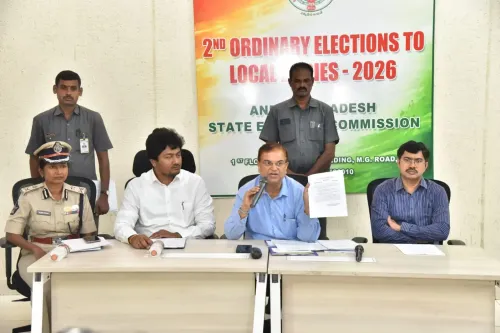
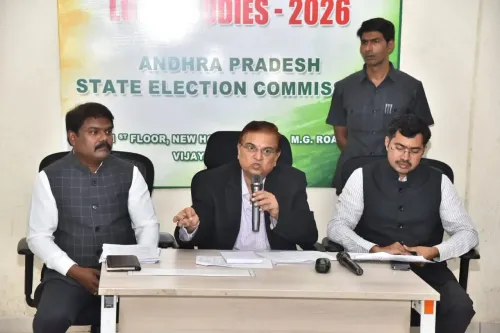
The Andhra Pradesh State Election Commission (SEC) on 8 November 2026 lifted the Model Code of Conduct (MCC) across all urban areas of the state, following the successful completion of elections to 100 Urban Local Bodies (ULBs) including 13 Municipal Corporations, 87 Municipalities, and Nagar Panchayats. State Election Commissioner Anil Chandra Punetha issued the formal order lifting the urban MCC, marking the conclusion of the direct election process for Mayor, Chairperson, and Ward Member posts across the state.
How the Election Process Unfolded
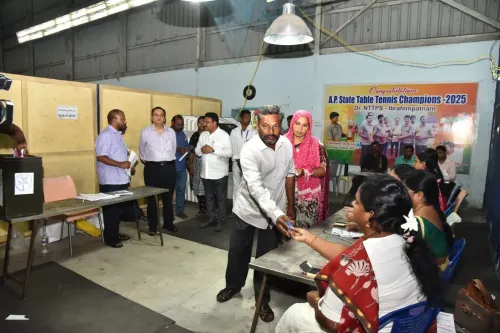
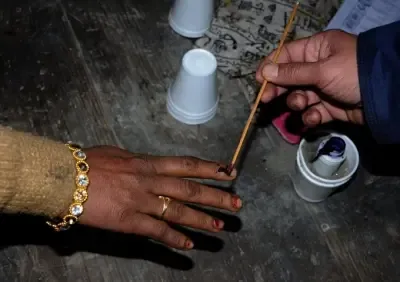
The MCC had come into force across both urban and rural areas of Andhra Pradesh on 14 October 2026, when the SEC issued the election notification for the ULB polls. Polling was originally scheduled for 28 October and vote counting for 30 October, but both dates were rescheduled following a Supreme Court order. Polling was subsequently held on 1 November and counting on 3 November.
Results were declared on 3 November 2026 for 99 of the 100 ULBs. The lone exception was Chirala Municipality, where counting was postponed to 6 November due to Cyclone 'Murasu' and was completed on that date. With all results now declared, the SEC moved to lift the MCC in urban areas.
Rural MCC Remains in Force
Notably, the Model Code of Conduct will continue in rural areas across Andhra Pradesh. While counting of votes for Zilla Parishad Territorial Constituencies (ZPTCs) and Mandal Parishad Territorial Constituencies (MPTCs) was completed on 7 November 2026, Gram Panchayat elections are yet to be held. The SEC confirmed that the rural MCC enforcement will remain active until the Gram Panchayat election process is fully concluded.
What the MCC Lifting Means for Urban Areas
The lifting of the MCC means that government bodies and elected representatives in urban areas are no longer bound by the code's restrictions on policy announcements, public spending, and official conduct. Administrative work in municipalities and corporations — including development projects and welfare scheme disbursements — can now resume without MCC constraints. This comes amid broader political activity in the state, as rural elections remain pending.
What Comes Next
All eyes now shift to the upcoming Gram Panchayat elections, for which no fresh schedule has yet been announced. The rural MCC will remain operative until that process is complete. The SEC's phased approach — lifting restrictions only after each tier's results are finalised — reflects the constitutional requirement to ensure a free and fair electoral environment at every level of local governance.
Point of View
Rural, and panchayat tiers often run on different timelines, creating a prolonged governance grey zone. The Chirala delay, forced by Cyclone 'Murasu', is a reminder of how climate events increasingly intersect with electoral logistics. With Gram Panchayat elections still unscheduled, rural administrators remain constrained even as their urban counterparts regain full operational freedom. The SEC's orderly, tier-by-tier approach sets a procedural precedent, but the extended rural MCC period will test patience in districts where development work has been on hold since mid-October.
NationPress
8 Nov 2026
Frequently Asked Questions
Why has the Andhra Pradesh SEC lifted the Model Code of Conduct in urban areas?
The Andhra Pradesh State Election Commission lifted the urban MCC on 8 November 2026 because elections to all 100 Urban Local Bodies — including 13 Municipal Corporations and 87 Municipalities and Nagar Panchayats — have been fully completed. With results declared for all ULBs and the direct election process for Mayor, Chairperson, and Ward Members concluded, the legal basis for the urban MCC lapsed.
Will the Model Code of Conduct continue in rural areas of Andhra Pradesh?
Yes, the MCC remains in force in rural areas of Andhra Pradesh. While ZPTC and MPTC counting was completed on 7 November 2026, Gram Panchayat elections have not yet been held, and the SEC has confirmed that rural MCC enforcement will continue until that process is complete.
Why was counting in Chirala Municipality delayed?
Counting in Chirala Municipality was postponed from 3 November to 6 November 2026 due to Cyclone 'Murasu'. It was the only ULB among the 100 where results were not declared on the original counting date.
When did the Model Code of Conduct come into effect in Andhra Pradesh?
The MCC came into force across both urban and rural areas of Andhra Pradesh on 14 October 2026, when the SEC issued the election notification for Municipal Corporations, Municipalities, and Nagar Panchayats.
What impact does the MCC lifting have on urban local bodies in Andhra Pradesh?
With the MCC lifted, urban local bodies and newly elected representatives in Andhra Pradesh's cities and towns can now resume normal administrative and developmental activities, including policy announcements and public spending, without the restrictions imposed during the election period.