Andhra Pradesh municipal election results 2026: Vote count begins at 138 centres

Synopsis
With over 60 lakh votes being counted across 138 centres in Andhra Pradesh, Tuesday's municipal results are the first major electoral test for the TDP-led NDA since its landslide Assembly win — and YSRCP's first real chance to signal a comeback in urban strongholds.
Key Takeaways
Vote counting for 92 urban local bodies in Andhra Pradesh began at 8 am on 3 November across 138 counting centres .
First results expected after 11 am ; 47,817 officials , 556 halls and 6,831 tables deployed for the exercise.
Voter turnout stood at 62.16% — 60,22,411 votes cast out of 96,89,061 registered voters.
Fate of 520 mayor and chairperson candidates and 10,105 corporators and councillors to be decided.
The ruling NDA (TDP, JSP, BJP) won all 8 ULBs decided through uncontested elections; YSRCP is looking to bounce back after its 2024 Assembly loss.
Polls were originally scheduled for 28 October but were deferred on Supreme Court orders after violent incidents during nominations.
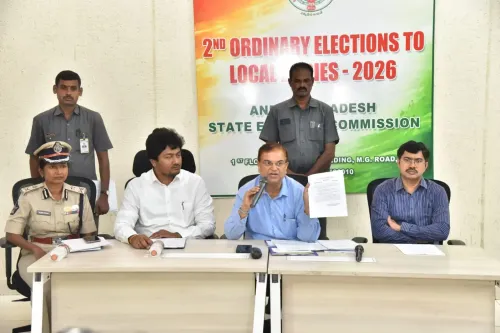
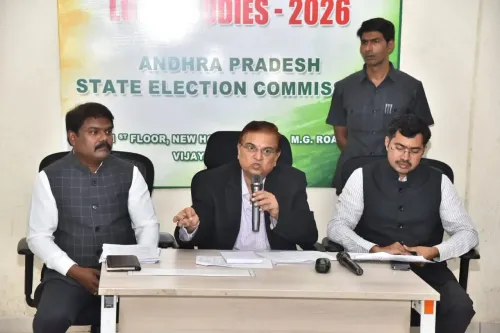
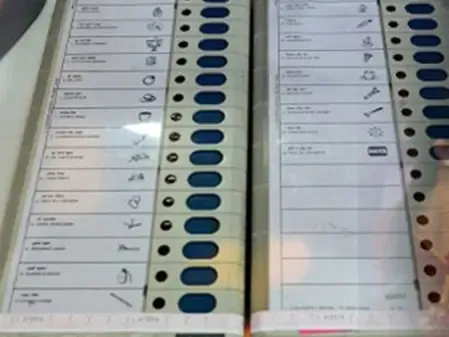
Counting of votes cast in the Andhra Pradesh municipal elections commenced at 8 am on Tuesday, 3 November across 138 counting centres statewide, with the first results expected after 11 am, according to State Election Commission (SEC) officials. The exercise covers 92 urban local bodies (ULBs) across the state, with tight security and extensive CCTV surveillance in place to ensure transparency.
Scale of the Count
The SEC deployed 47,817 officials, arranged 556 counting halls and 6,831 counting tables to manage the exercise. Additionally, 1,372 CCTV cameras have been installed at strong rooms and counting halls.
Polling was conducted on Sunday across 13 Municipal Corporations and 79 of the 87 Municipalities and Nagar Panchayats. The SEC recorded a voter turnout of 62.16% — out of 96,89,061 registered voters, 60,22,411 exercised their franchise.
What Is at Stake
The count will determine the fate of 520 candidates contesting the posts of mayors of Municipal Corporations and chairpersons of Municipalities and Nagar Panchayats. Separately, the results of 10,105 candidates contesting as corporators and councillors will also be declared.
Notably, elections for the posts of chairpersons of 17 Municipalities and Nagar Panchayats were decided unanimously. In eight ULBs — Allagadda, Dachepalli, Darsi, Gurajala, Kamalapuram, Piduguralla, Proddatur and Rayachoti — both chairpersons and ward members were elected unopposed. All these uncontested wins went to the ruling National Democratic Alliance (NDA).
NDA Seat-Sharing and the Contest
Under the NDA seat-sharing arrangement, the Telugu Desam Party (TDP) contested the mayor posts in 10 Municipal Corporations, with Jana Sena Party (JSP) fielding candidates in two and the Bharatiya Janata Party (BJP) in one. Of the 70 chairperson posts that went to polling, TDP fielded 49 candidates, JSP put up 17, and BJP contested four.
The ruling coalition entered the count seeking to consolidate its gains from the 2024 general elections, projecting its record on development and welfare schemes over the past two-and-a-half years as its central pitch. In contrast, the opposition YSR Congress Party (YSRCP) highlighted what it described as the coalition's failures, looking to recover ground after a heavy defeat in the last Assembly elections.
Why the Vote Was Delayed
Polling, originally scheduled for 28 October, was deferred following Supreme Court directions after violent incidents reportedly prevented several candidates from filing their nominations. The rescheduled vote passed without major incident, according to officials.
What Comes Next
Results are expected to trickle in through Tuesday, providing the clearest post-Assembly-election verdict on the NDA government's standing at the grassroots level — and a significant indicator of whether YSRCP can begin its political rehabilitation in urban Andhra Pradesh.
Point of View
A strong showing in contested urban seats would signal organisational resilience; a poor one risks accelerating defections and factional churn. Watch the Municipal Corporation mayors — those 13 flagship wins or losses will set the political narrative far more than the ward-level tallies.
NationPress
3 Nov 2026
Frequently Asked Questions
When did vote counting begin for Andhra Pradesh municipal elections 2026?
Counting began at 8 am on Tuesday, 3 November, across 138 counting centres covering 92 urban local bodies. The first results were expected after 11 am, according to State Election Commission officials.
What was the voter turnout in the Andhra Pradesh municipal elections?
The State Election Commission recorded a turnout of 62.16%. Out of 96,89,061 registered voters, 60,22,411 cast their votes during polling held on Sunday.
Why were the Andhra Pradesh municipal elections delayed?
Polling was originally scheduled for 28 October but was deferred after the Supreme Court intervened following reports of violent incidents that prevented several candidates from filing their nominations. The elections were subsequently held on the rescheduled date without major incident.
How did the NDA alliance divide seats in the Andhra municipal elections?
Under their seat-sharing agreement, TDP contested mayor posts in 10 Municipal Corporations, JSP in two, and BJP in one. For chairperson posts, TDP fielded 49 candidates, JSP 17, and BJP four, out of 70 seats that went to polling.
What is the political significance of these municipal election results?
The results are the first significant electoral test for the TDP-led NDA government since its landslide victory in the 2024 Assembly elections. They also represent YSRCP's first opportunity to demonstrate a recovery after its heavy defeat in those polls, making the outcome a key indicator of urban political sentiment in Andhra Pradesh.