How is Andhra Pradesh Planning to Tackle the Issue of ‘Belt Shops’?
Synopsis
Andhra Pradesh's Chief Minister N. Chandrababu Naidu is proactively seeking solutions by examining Haryana's policies to address the rising issue of unauthorized liquor outlets, referred to as 'belt shops'. The state plans to implement innovative measures, including a Deposit Return Scheme, to promote responsible consumption and environmental sustainability. This review is part of a broader strategy to refine the state's liquor regulations.
Key Takeaways
Andhra Pradesh seeks to combat unauthorized liquor outlets known as ‘belt shops’ .
Chandrababu Naidu calls for a study of Haryana's policies .
Introduction of a Liquor Identification Number (LIN) for transparency.
Consideration of a Deposit Return Scheme for empty bottles.
Focus on responsible consumption and environmental sustainability.
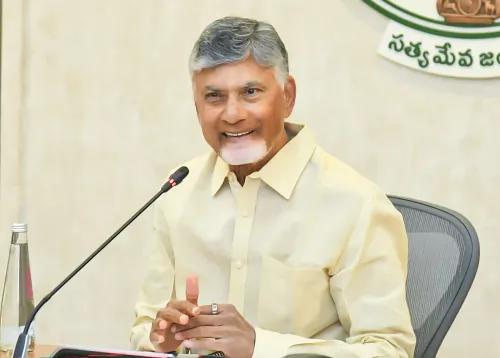
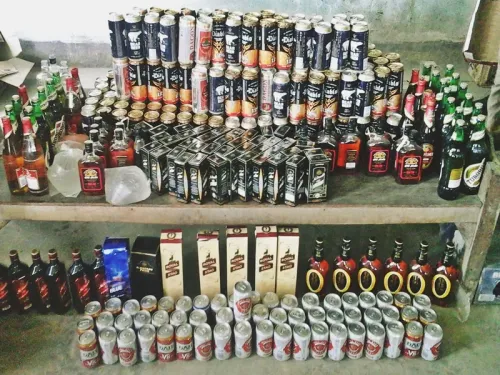
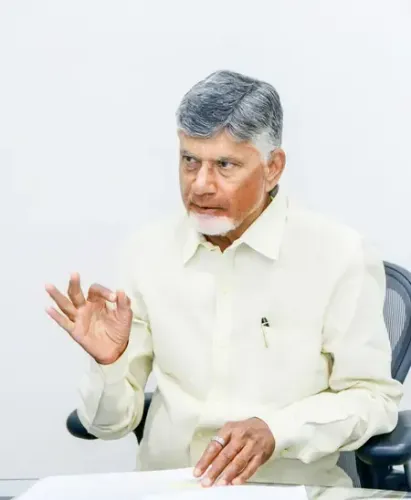
Amaravati, Dec 22 (NationPress) The Chief Minister of Andhra Pradesh, N. Chandrababu Naidu, has instructed the Excise Department to investigate the sub-lease framework used in Haryana to effectively address the issue of ‘belt shops’, which are unauthorized liquor outlets proliferating in the state.
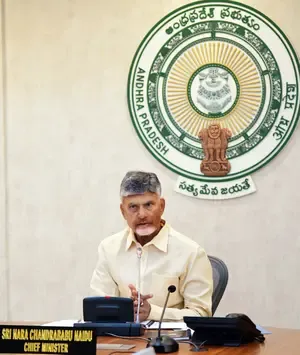
During a review meeting, the Chief Minister emphasized the need for stringent measures against these illicit establishments and urged officials to closely examine Haryana's approach to combatting the problem.
Officials disclosed that the emergence of ‘belt shops’ is largely due to a deficiency of licensed outlets in rural and remote regions.
As part of its commitment to environmental sustainability, the department is contemplating a Deposit Return Scheme (DRS), which would allow customers to receive a cash incentive for returning empty liquor bottles.
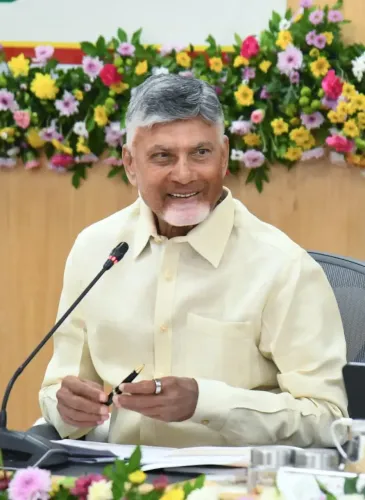
Chief Minister Naidu stressed that the state's liquor policy should not be perceived merely as a source of revenue but should aim for sustainable growth. He clarified that liquor should be treated like any regular commodity and not solely as a profit-generating entity.
He proposed further discussions on the existing system of shop allocations through lottery, application fees, liquor identification numbers, and enhancing retailer margins.
The Chief Minister also directed a review of the potential exemption of bars from the Additional Retail Excise Tax (ARET).
The comprehensive implications of the new excise policy were also discussed during the review.
Officials reported an excise revenue of Rs 7,041 crore from October 2024 to October 2025, against a target of Rs 8,000 crore.
From April 1 to December 17, liquor sales rose by 4.52%, with Indian Made Foreign Liquor (IMFL) sales up by 19.08% and beer sales soaring by 94.93%. Officials predict an income of Rs. 8,422 crore from December 18 to March 2026, with an anticipated three percent increase in excise revenue for the current financial year.
Notably, Andhra Pradesh has recorded the highest growth in IMFL and beer sales in South India, attributed to the introduction of international brands and the availability of quality liquor at competitive prices. However, per capita liquor consumption remains lower in Andhra Pradesh compared to Telangana, with 2.77 litres versus 4.74 litres.
To combat counterfeit products and irregularities, the Chief Minister directed the quick introduction of a unique Liquor Identification Number (LIN) for each liquor bottle in the state, which should be easily recognizable by the public. This LIN should encompass details like the brand, batch, line number, and the precise date and time of manufacture.
The Chief Minister mentioned that the LIN would resolve the drawbacks of the currently employed HEAL (Hologram Excise Adhesive Labels) system. He also indicated that full transparency in liquor distribution would be achieved through geo-tagging, and instructed officials to focus on monitoring and rationalizing the number of liquor shops.
Point of View
It's imperative we recognize the significance of Andhra Pradesh's approach towards addressing the issue of unauthorized liquor outlets. The state's initiative to study Haryana's policies reflects a commitment to responsible governance and public welfare. This move not only aims to curb illegal sales but also fosters a dialogue around sustainable practices in liquor consumption. The proposed measures, such as the introduction of a Liquor Identification Number and environmental initiatives, position Andhra Pradesh as a proactive player in addressing pressing societal challenges.
NationPress
2 Oct 2026
Frequently Asked Questions
What are ‘belt shops’?
‘Belt shops’ refers to unauthorized liquor outlets that operate without proper licenses, often leading to regulatory challenges and public health concerns.
Why is Andhra Pradesh studying Haryana's liquor policy?
Andhra Pradesh is examining Haryana's liquor policy to find effective strategies to combat the proliferation of unauthorized liquor outlets and improve regulation.
What is the proposed Liquor Identification Number (LIN)?
The Liquor Identification Number (LIN) is a unique identifier for each liquor bottle, aimed at preventing counterfeit products and ensuring transparency in distribution.
How is Andhra Pradesh planning to increase revenue from liquor sales?
The state plans to enhance revenue through initiatives like a Deposit Return Scheme and improving the allocation system for liquor shops, while also focusing on responsible consumption.
What are the expected outcomes of the new excise policy?
The new excise policy aims to increase revenue, curb illegal sales, foster healthier consumption habits, and enhance environmental sustainability through initiatives like geo-tagging and the LIN.