ANSAM rejects Kuki-Zo apology over killing of six Naga hostages in Manipur
Synopsis
A day after the Kuki-Zo Council admitted killing six Naga hostages was a ‘grave mistake,’ Manipur’s top Naga students’ body has flatly rejected the apology as insincere — and is demanding arrests, not words. With the NIA now handling the case and inter-community tensions still raw, the gap between regret and accountability in Manipur’s ethnic crisis has never looked wider.
Key Takeaways
ANSAM on 26 June rejected the Kuki-Zo Council’s apology over the killing of six Naga hostages , calling it “insincere.” The killings occurred on 13 May in Kangpokpi district ; bodies of the six Naga hostages were recovered on 11 June near Kharam Vaiphei village .
KZC Chairman Henlianthang Thanglet admitted the killings were a “grave mistake” done “in a moment of emotion,” but said no Kuki-Zo leadership had authorised the act.
At least 50 people from both communities were taken hostage; 14 Kuki villagers were released on 10 June by the UNC and NPO .
The cases have been handed to the National Investigation Agency (NIA) for a comprehensive probe, as confirmed by Chief Minister Yumnam Khemchand Singh .
ANSAM also objected to the use of the term “Katcha Nagas” in the KZC statement, calling it derogatory to Naga identity.
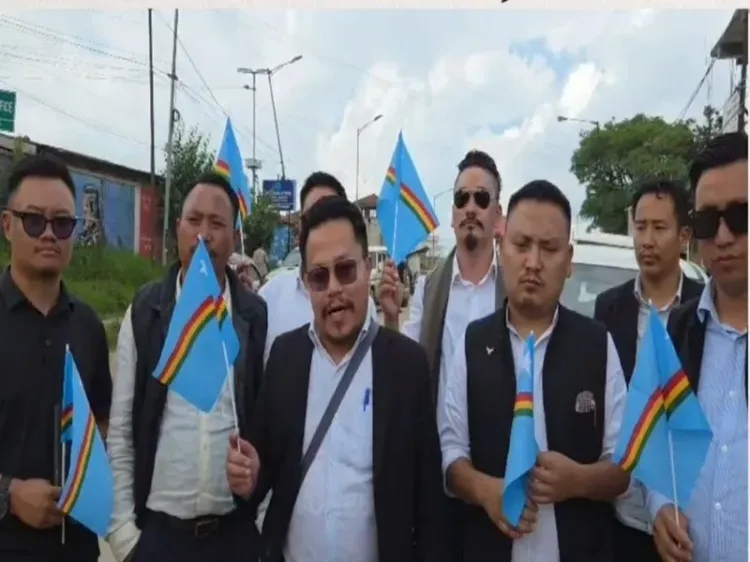
The All Naga Students' Association, Manipur (ANSAM) on Friday, 26 June rejected the apology issued by the Kuki-Zo Council (KZC) over the killing of six Naga hostages in Kangpokpi district, terming it “insincere” and demanding the immediate arrest and prosecution of all those responsible. The rejection came a day after KZC Chairman Henlianthang Thanglet publicly admitted the killings were a “grave mistake” and called for a fair investigation into the ethnic violence gripping Manipur.
ANSAM's Rejection and Key Demands
In a formal statement, ANSAM asserted that the KZC apology neither constituted a genuine admission of guilt nor reflected meaningful accountability for the abduction and killing of the six Naga civilians on 13 May in Kangpokpi. The students’ body made clear that no apology could be considered credible until those involved were identified, arrested, and punished in accordance with the law.
ANSAM also took strong objection to the use of the term “Katcha Nagas” in the KZC statement, describing it as derogatory and offensive to the identity and dignity of the Naga people. The organisation questioned whether the KZC was authorised to issue an apology on behalf of all Kuki-Zo groups, and sought clarification on whether the statement represented the position of all constituent communities, including the Zomis.
The Incident: What Happened on 13 May
The violence that triggered the hostage crisis unfolded on 13 May in Kangpokpi district, when three Thadou church leaders were killed and four others injured. In the aftermath, at least 50 people from both the Kuki and Naga communities were taken hostage by different armed groups across Kangpokpi and Senapati districts.
Around 30 individuals from both communities were released on 14 and 15 May following intervention by authorities, community leaders, and civil society organisations. On 10 June, the remaining 14 Kuki villagers were released and handed to police at a station in Senapati district by the United Naga Council (UNC) and the Naga People’s Organisation (NPO).
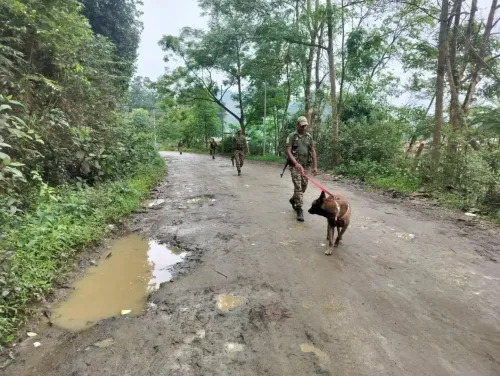
The following day, 11 June, the bodies of six Naga hostages were recovered from a forested area near Kharam Vaiphei village, a predominantly Kuki-Zo tribal settlement under the Saitu-Gamphazol Sub-Division of Kangpokpi district. ANSAM described the killings as taking place on ancestral Naga land in Leilon Vaiphei village, calling it a direct attack on the security and dignity of the Naga community.
What the Kuki-Zo Council Said
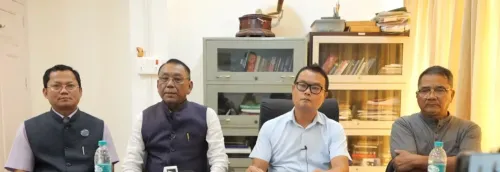
KZC Chairman Henlianthang Thanglet, addressing the media at Churachandpur district headquarters on Thursday alongside three other leaders, admitted that the Kuki-Zo people had committed a “grave mistake” in killing the six Naga civilians, stating it was done “in a moment of emotion.” He strongly condemned the incident and apologised on behalf of his community.
Describing the killings as “tragic and unacceptable,” Thanglet maintained that the act was neither authorised nor approved by any Kuki-Zo political or community leadership. He called for a fair, transparent, and impartial investigation into all acts of violence linked to the continuing ethnic unrest in the state.
NIA Probe and Government Response
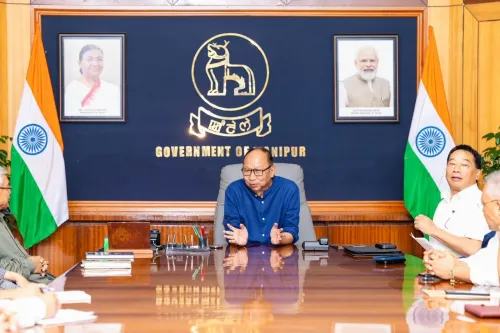
Manipur Chief Minister Yumnam Khemchand Singh had earlier stated that cases relating to the abduction and killing of the six Naga villagers, along with the murder of the three church leaders in Kangpokpi on 13 May, had been handed over to the National Investigation Agency (NIA) for a comprehensive investigation.
ANSAM urged both the Manipur government and the Centre to ensure a speedy probe and bring the perpetrators to justice. It also called for serious consideration of the demands submitted by the United Naga Council, emphasising that justice and accountability were essential for lasting peace and reconciliation. The killings have drawn widespread condemnation from political leaders, civil society groups, and community organisations across the Northeast.
With the NIA now in charge of the investigation, all eyes are on whether the probe will deliver the accountability that both communities and civil society organisations are demanding.
Point of View
However unprecedented, has exposed a deeper fault line: in Manipur’s ethnic conflict, regret without accountability is functionally meaningless. ANSAM’s rejection signals that community organisations on both sides are watching whether the NIA probe will name individuals or dissolve into procedural ambiguity, as past investigations into Manipur violence have often done. The dispute over the term ‘Katcha Nagas’ is not a footnote — it reflects how language itself has become a battleground in this conflict. If the NIA fails to deliver credible prosecutions, the apology risks hardening grievances rather than softening them, making reconciliation even more distant.
NationPress
25 Sept 2026
Frequently Asked Questions
Why did ANSAM reject the Kuki-Zo Council's apology?
ANSAM rejected the apology as “insincere,” arguing it did not constitute a genuine admission of guilt or reflect accountability for the abduction and killing of six Naga civilians in Kangpokpi district on 13 May. The students’ body maintained that only the arrest and prosecution of those responsible could make any apology credible.
What happened to the six Naga hostages in Manipur?
Six Naga civilians were among those taken hostage following violent incidents in Kangpokpi district on 13 May 2025. Their bodies were recovered on 11 June from a forested area near Kharam Vaiphei village in the Saitu-Gamphazol Sub-Division of Kangpokpi district.
Who is investigating the killing of the six Naga hostages?
The cases relating to the abduction and killing of the six Naga villagers, along with the murder of three church leaders on 13 May, have been handed over to the National Investigation Agency (NIA), as confirmed by Manipur Chief Minister Yumnam Khemchand Singh.
What did the Kuki-Zo Council say in its apology?
KZC Chairman Henlianthang Thanglet admitted on Thursday that the Kuki-Zo people had made a ‘grave mistake’ in killing the six Naga civilians, saying it was done in a moment of emotion. He described the killings as ‘tragic and unacceptable,’ clarified that no Kuki-Zo leadership had authorised the act, and called for a fair, transparent, and impartial investigation.
What is the broader context of the Manipur hostage crisis?
At least 50 people from both Kuki and Naga communities were taken hostage by armed groups in Kangpokpi and Senapati districts following the violence of 13 May. Around 30 were released by 15 May, and 14 Kuki villagers were released on 10 June by the United Naga Council and Naga People’s Organisation, before the six Naga hostages were found dead on 11 June.