Kuki-Zo Council apologises for killing 6 Naga hostages, demands equal probe
Synopsis
In a rare public admission during an active ethnic conflict, the Kuki-Zo Council apologised for the killing of six Naga hostages in Manipur's Kangpokpi district — but paired the apology with a sharp demand: that investigators apply the same scrutiny to the alleged killing of 14 Kuki-Zo civilians, including three pastors, since March 2026. The NIA is now on the case, but the KZC's warning against 'selective outrage' signals that accountability, if unequal, could deepen the fracture.
Key Takeaways
Kuki-Zo Council (KZC) Chairman Henlianthang Thanglet publicly apologised on 25 June for the killing of six Naga hostages in Kangpokpi district , calling it a 'grave mistake.' Bodies of the six Naga hostages were recovered on 11 June from a forested area near Kharam Vaiphei village , a day after 14 Kuki-Zo villagers were freed by the United Naga Council .
The hostage crisis began after violence on 13 May killed three church leaders; at least 50 people from both communities were held by armed groups.
KZC alleged 14 Kuki-Zo civilians — including three pastors — have been killed since 11 March 2026 , allegedly by NSCN-IM and its proxy ZUF-K , with more than 45 houses burnt in eight villages .
Manipur CM Yumnam Khemchand Singh confirmed the cases have been referred to the National Investigation Agency (NIA) .
Leaders from Nagaland , Meghalaya , and Manipur have condemned the killings and demanded justice.
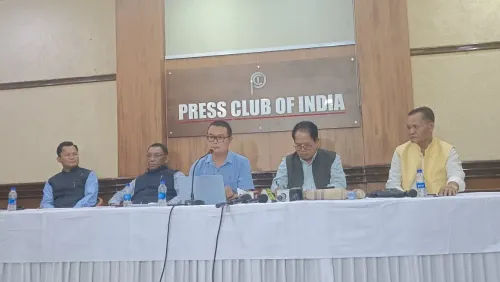
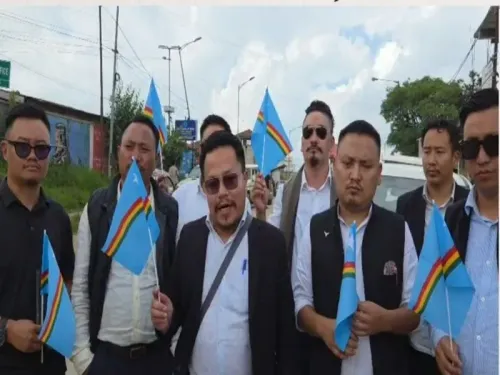
The Kuki-Zo Council (KZC), the apex body of the Kuki-Zo tribal community in Manipur, on Thursday, 25 June publicly apologised for the killing of six Naga hostages in Kangpokpi district, calling it a 'grave mistake' committed out of emotion, and demanded a fair, transparent, and impartial investigation into all acts of violence linked to the state's continuing ethnic unrest.
The Apology and What Was Said
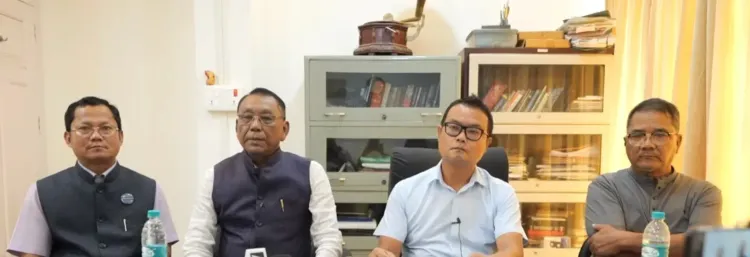
KZC Chairman Henlianthang Thanglet, addressing the media at Churachandpur district headquarters alongside three other community leaders, admitted that the Kuki-Zo people had made a grave mistake in killing the six Naga civilians. He described the act as 'tragic and unacceptable' and stressed that it was neither authorised nor approved by any Kuki-Zo political or community leadership. Thanglet strongly condemned the killings and apologised on behalf of his community, calling for those responsible to be identified and brought to justice.
Timeline of the Hostage Crisis
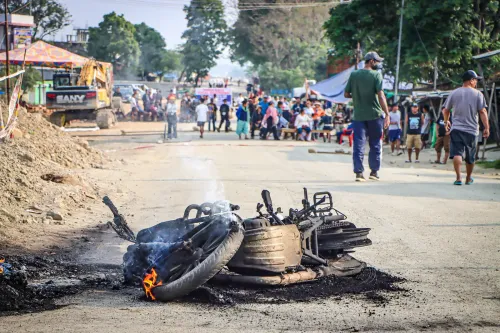
The crisis traces back to 13 May, when violent incidents in Kangpokpi district left three church leaders dead and four others injured. In the aftermath, at least 50 people from both the Kuki and Naga communities were taken hostage by different armed groups across Kangpokpi and Senapati districts.
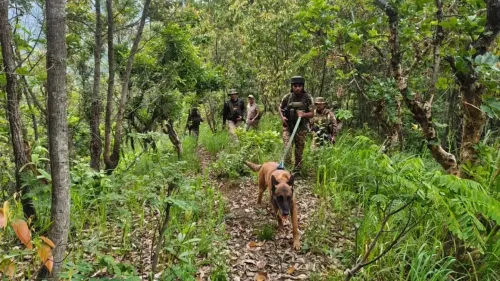
Around 30 individuals from both communities were released on 14 and 15 May following intervention by authorities, community leaders, and civil society organisations. On 10 June, the remaining 14 Kuki villagers were released and handed over to police at a station in Senapati district by the United Naga Council (UNC) and the Naga People's Organisation (NPO). The following day, 11 June, the bodies of six Naga hostages were recovered from a forested area near Kharam Vaiphei village, a predominantly Kuki-Zo settlement under the Saitu-Gamphazol Sub-Division of Kangpokpi district.
KZC's Broader Grievances
While expressing remorse, the KZC simultaneously raised concerns about what it described as a lack of equal investigative attention toward violence against its own community. According to the Council's statement, 14 innocent Kuki-Zo civilians — including three pastors — have been killed in separate incidents since 11 March 2026, allegedly by suspected NSCN-IM and its proxy outfit, the Zeliangrong United Front (Kamson) (ZUF-K). The KZC also alleged that more than 45 houses in eight Kuki-Zo villages were burnt down in attacks attributed to the same militant groups during the same period.
The Council further recalled that following the abduction of seven Kuki-Zo individuals on 10 March 2026, a total of 21 Naga hostages held by Kuki-Zo groups were released as a gesture of goodwill. It appreciated the UNC's subsequent release of the 14 Kuki-Zo hostages, stating that both communities had demonstrated restraint at critical moments. 'Justice must be applied equally to all victims, regardless of ethnicity or community,' the KZC statement said, warning that 'selective investigation and selective outrage will only deepen mistrust and make reconciliation more difficult.'
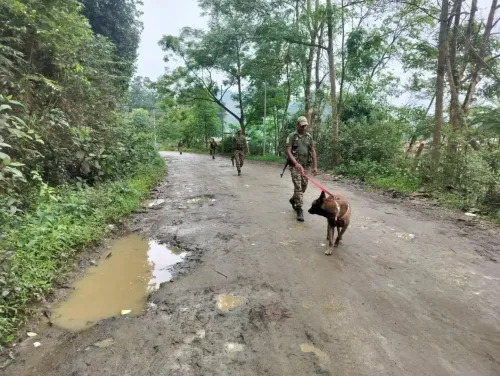
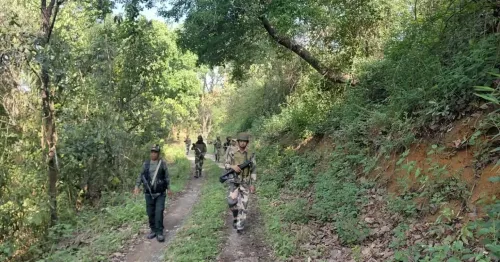
The Council also strongly condemned what it described as continued intimidation, harassment, and fear experienced by Kuki-Zo villagers during search and cordon operations conducted by security forces.
Government Response and NIA Referral
Manipur Chief Minister Yumnam Khemchand Singh had earlier stated that cases relating to the abduction and killing of the six Naga villagers, as well as the murder of three church leaders in Kangpokpi on 13 May, had been handed over to the National Investigation Agency (NIA) for a comprehensive investigation.
Condemnation Across the Northeast
The killings drew widespread condemnation from political leaders across the region. Nagaland Chief Minister Neiphiu Rio, Meghalaya Chief Minister Conrad K. Sangma, and Manipur Deputy Chief Minister Nemcha Kipgen — who belongs to the Thadou tribe, a constituent of the broader Kuki-Zo community — along with numerous prominent individuals and more than a dozen organisations, have all demanded justice for the victims.
As the NIA takes charge of the investigation, the KZC's public apology marks a rare moment of accountability in a conflict that has claimed lives on multiple sides — and the Council's demand for equal justice will test whether the state and central agencies can deliver an impartial reckoning.
Point of View
Not just a moral one. By framing the apology alongside allegations of 14 Kuki-Zo deaths and 45 burnt homes going under-investigated, the KZC is contesting the narrative of who is victim and who is aggressor. The NIA referral is a necessary step, but Manipur's history of prolonged impunity on all sides means the agency's credibility — and the Centre's willingness to apply equal pressure — will determine whether this moment leads to reconciliation or hardens into another cycle of grievance.
NationPress
24 Sept 2026
Frequently Asked Questions
Why did the Kuki-Zo Council apologise for the Naga hostage killings?
The Kuki-Zo Council apologised after the bodies of six Naga hostages were recovered on 11 June from a forested area near Kharam Vaiphei village in Kangpokpi district. KZC Chairman Henlianthang Thanglet admitted the killings were a 'grave mistake' done out of emotion, stressing they were neither authorised nor approved by any Kuki-Zo leadership.
What triggered the hostage crisis in Manipur's Kangpokpi and Senapati districts?
The crisis began after violent incidents on 13 May 2026 in Kangpokpi district, during which three church leaders were killed and four others injured. At least 50 people from both Kuki and Naga communities were subsequently taken hostage by different armed groups across Kangpokpi and Senapati districts.
Who is investigating the killing of the six Naga hostages?
Manipur Chief Minister Yumnam Khemchand Singh confirmed that the cases related to the abduction and killing of the six Naga villagers, as well as the 13 May murder of three church leaders, have been handed over to the National Investigation Agency (NIA) for a comprehensive investigation.
What are the Kuki-Zo Council's counter-allegations about violence against its own community?
The KZC stated that 14 innocent Kuki-Zo civilians — including three pastors — have been killed since 11 March 2026, allegedly by suspected NSCN-IM and its proxy outfit, the Zeliangrong United Front (Kamson) (ZUF-K). It also alleged that more than 45 houses in eight Kuki-Zo villages were burnt in attacks attributed to the same groups, and demanded equal investigative attention for these incidents.
Which political leaders have condemned the killing of the six Naga hostages?
Nagaland Chief Minister Neiphiu Rio, Meghalaya Chief Minister Conrad K. Sangma, and Manipur Deputy Chief Minister Nemcha Kipgen have all condemned the killings and demanded justice. More than a dozen organisations and numerous prominent individuals across the Northeast have also voiced condemnation.