Kuki-Zo Council urges PM Modi to resolve Manipur ethnic crisis, demands UT status
Synopsis
Two years into Manipur's ethnic crisis, the Kuki-Zo Council is no longer asking for peace talks — it is formally demanding a separate Union Territory. With 14 villagers still abducted, 3 church leaders killed, and a hostage crisis that saw 40 people held in Kangpokpi and Senapati, the memorandum to PM Modi signals that the community sees no future in the current administrative arrangement.
Key Takeaways
Kuki-Zo Council submitted a memorandum to PM Narendra Modi and Home Minister Amit Shah on 18 May , demanding a separate Union Territory for Kuki-Zo tribals.
The council's eight-point charter also seeks helicopter services, essential commodity supply, security force deployment, and relocation of student exam centres.
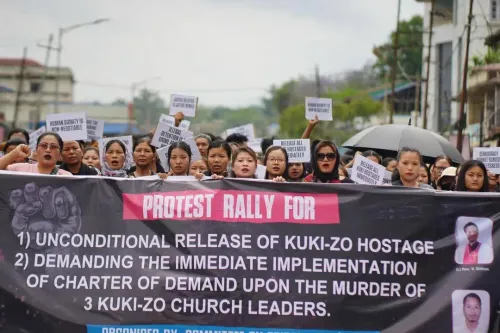
The Kuki Students' Organisation demanded the release of 14 abducted Kuki-Zo villagers and an NIA/CBI probe into the killing of 3 church leaders in Kangpokpi on 13 May .
More than 40 people from Kuki and Naga communities were held hostage; 30 were released on 14–15 May .
Discussions on a Union Territory arrangement are reportedly ongoing between armed outfits under the Suspension of Operations agreement and the Ministry of Home Affairs .
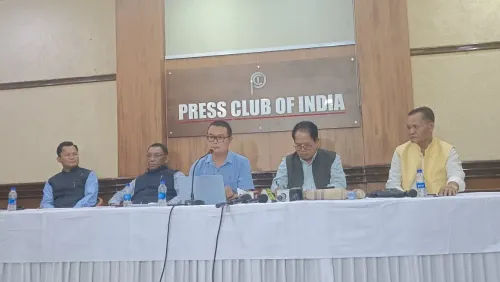
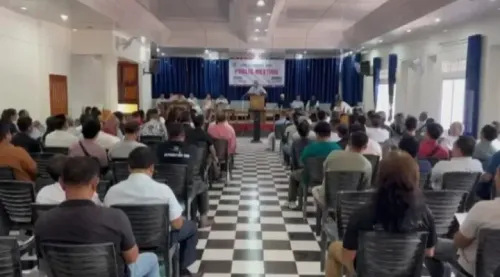
The Kuki-Zo Council, the apex representative body of the Kuki-Zo tribal community in Manipur, has formally appealed to Prime Minister Narendra Modi to intervene in the state's protracted ethnic crisis and deliver protection, security, and a lasting political settlement for the community. The memorandum, submitted on 18 May, reiterates an eight-point charter of demands that includes the creation of a separate administrative arrangement or Union Territory for the Kuki-Zo people.
Key Demands in the Memorandum
Kuki-Zo Council Chairman Henlianthang Thanglet and General Secretary Thangzamang jointly signed the memorandum, which was also submitted to Union Home Minister Amit Shah. The document argues that the ongoing conflict has 'deeply fractured' relations among the Meitei, Naga, and Kuki-Zo communities, and that peaceful coexistence under the present administrative structure has become 'increasingly difficult.'
Beyond the demand for a separate Union Territory with a legislature, the council sought the introduction of helicopter services to Kuki-Zo-inhabited areas, uninterrupted supply of essential commodities, deployment of adequate security forces along sensitive inter-district boundaries, and the relocation of examination centres for Kuki-Zo students to safer locations.
The Case for a Separate Administration
The memorandum stated that the Kuki-Zo community faces 'existential threats from multiple sides' and that separation from the current administrative structure has become 'an unavoidable necessity' for its survival and security. According to the document, a formal demand for a Union Territory with a legislature has already been submitted, and discussions are reportedly underway between outfits operating under the Suspension of Operations agreement and the Ministry of Home Affairs.
'The Kuki-Zo people firmly believe that a lasting and peaceful solution to the Manipur crisis lies in the creation of separate administrative arrangements for the three major communities — the Meitei, the Naga, and the Kuki-Zo,' the memorandum stated.
Kuki Students' Organisation Raises Fresh Demands
In a separate memorandum to the Prime Minister, the Kuki Students' Organisation demanded the immediate release of 14 abducted Kuki-Zo villagers and called for the abrogation of the ceasefire agreement with the NSCN-IM. The organisation also sought a National Investigation Agency (NIA) or Central Bureau of Investigation (CBI) probe into the killing of three church leaders in Kangpokpi district on 13 May, and demanded rehabilitation, compensation, and long-term security guarantees for all victims of the ethnic violence.
Hostage Crisis and Partial Releases
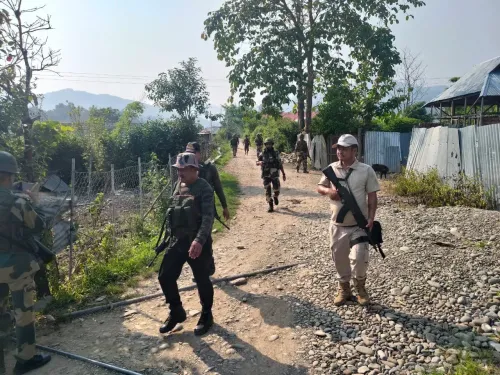
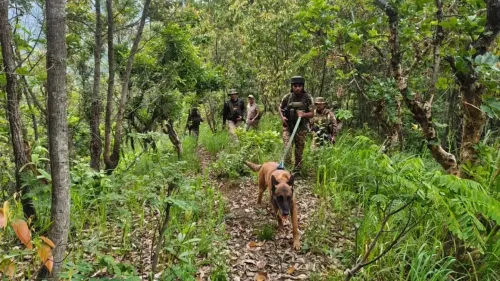
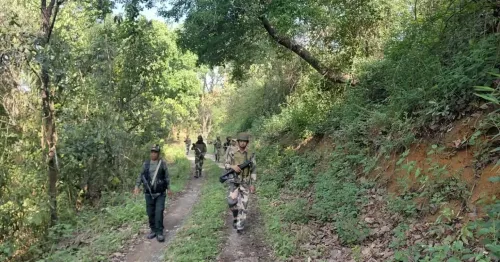
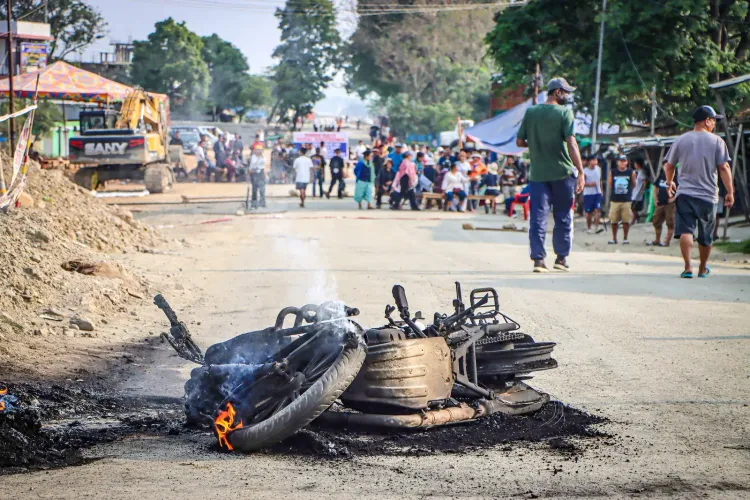
The situation in Manipur remained volatile following the killing of the three Baptist church leaders and the injuring of four others in Kangpokpi district on 13 May. According to a police official, more than 40 people from the Kuki and Naga communities were subsequently held hostage by various groups in Kangpokpi and Senapati districts.
Of those, 30 hostages from both communities were released on 14 and 15 May following sustained efforts by authorities, community leaders, and civil society organisations. The World Baptist Alliance, Asia Pacific Baptist Federation, Council for Baptist Churches in North East India, and the Manipur Baptist Convention have separately appealed to the United Naga Council and Kuki Inpi Manipur to ensure the safe release of all remaining hostages.
What Comes Next
The Manipur ethnic conflict, which has claimed hundreds of lives and displaced tens of thousands since it erupted in May 2023, shows no sign of resolution under the current administrative framework. With formal talks reportedly ongoing between armed outfits and the Ministry of Home Affairs, the response — or silence — from the Centre to this latest memorandum will be closely watched by all three communities.
Point of View
But the absence of any public acknowledgement keeps communities in a state of uncertainty. The killing of three church leaders and the subsequent hostage-taking mark a dangerous new front in the conflict, one that draws in religious institutions and risks further internationalising the crisis. The Centre's continued silence on a political timeline is itself a political choice — and one that the Kuki-Zo Council is now forcing into the open.
NationPress
3 Oct 2026
Frequently Asked Questions
What has the Kuki-Zo Council demanded from PM Modi?
The Kuki-Zo Council has demanded a separate Union Territory with a legislature for the Kuki-Zo tribal community as a political solution to the Manipur ethnic crisis. The memorandum also seeks helicopter services, uninterrupted essential supplies, security force deployment on inter-district boundaries, and safer exam centres for students.
What is the current status of the Manipur hostage crisis?
More than 40 people from the Kuki and Naga communities were held hostage by various groups in Kangpokpi and Senapati districts following the killing of three Baptist church leaders on 13 May. Of these, 30 hostages were released on 14 and 15 May; the remaining individuals are still unaccounted for, according to police officials.
What happened to the church leaders in Kangpokpi on May 13?
Three Baptist church leaders were killed and four others were injured in Kangpokpi district on 13 May. The Kuki Students' Organisation has demanded an NIA or CBI probe into the killings, along with rehabilitation and long-term security guarantees for victims.
Are talks on a Kuki-Zo Union Territory already underway?
According to the memorandum submitted by the Kuki-Zo Council, discussions on a Union Territory with a legislature are reportedly ongoing between armed outfits operating under the Suspension of Operations agreement and the Ministry of Home Affairs. No official confirmation from the Centre has been made public.
Why is the Kuki-Zo community demanding separation from Manipur's current administration?
The Kuki-Zo Council argues that prolonged violence, killings, displacement, and destruction have made peaceful coexistence under the existing administrative arrangement increasingly difficult. The council says the community faces existential threats and that a separate administration has become 'an unavoidable necessity' for its survival and security.