Anurag Thakur Extends Guru Purnima Greetings
Synopsis
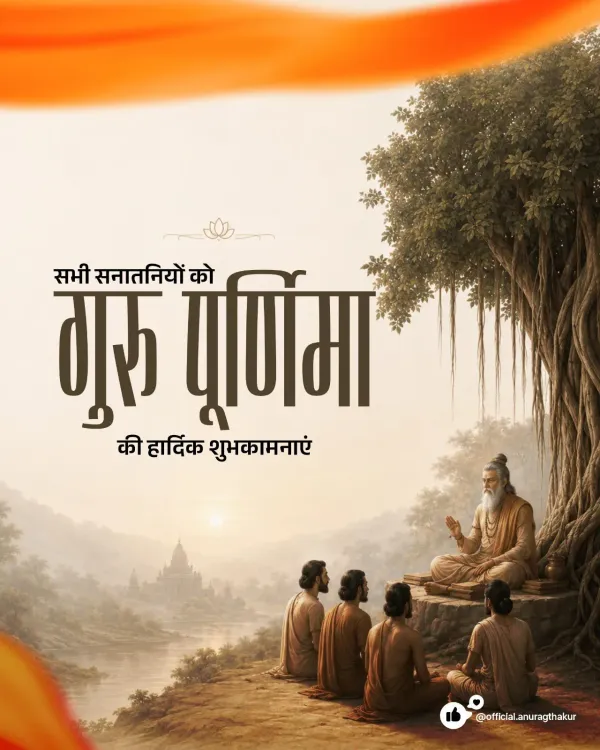
BJP MP Anurag Thakur marked Guru Purnima by invoking a classical Sanskrit Guru Vandana shloka and paying tribute to teachers and spiritual guides for their role in shaping lives through knowledge, sacrifice and guidance.
Key Takeaways
Anurag Thakur , BJP Lok Sabha MP from Hamirpur, Himachal Pradesh , posted Guru Purnima greetings on 29 July 2026 .
He opened with the Sanskrit verse 'Akhandamandalakaram' , a classical Guru Vandana hymn.
He stated there is no principle, austerity or knowledge greater than that of the guru.
He paid tribute to teachers described as 'godlike' for their spiritual, educational and life guidance.
Guru Purnima is observed on the full moon of the Hindu month of Ashadha, honouring gurus across traditions.
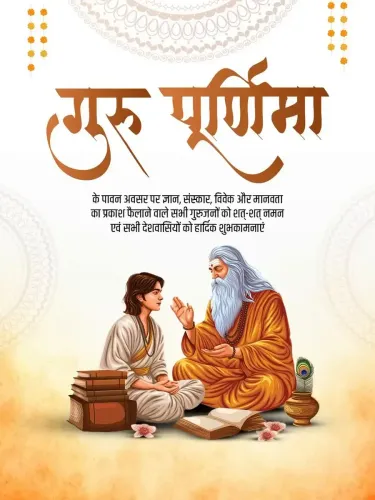
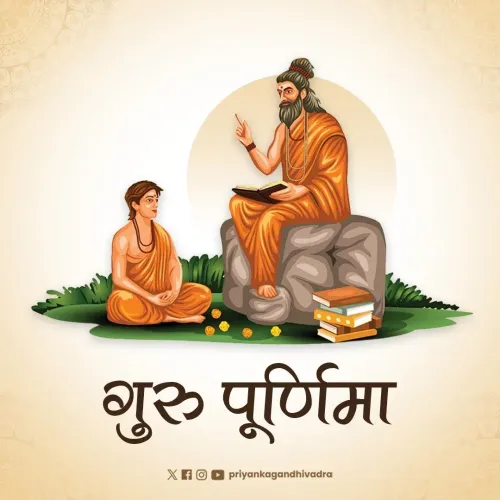
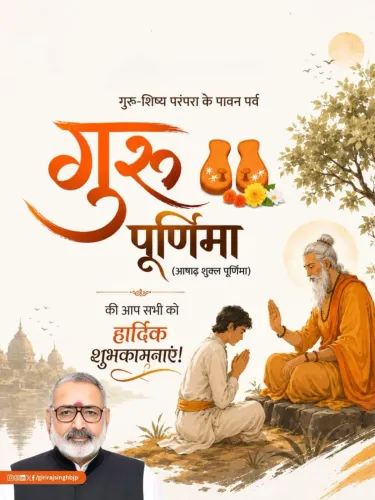
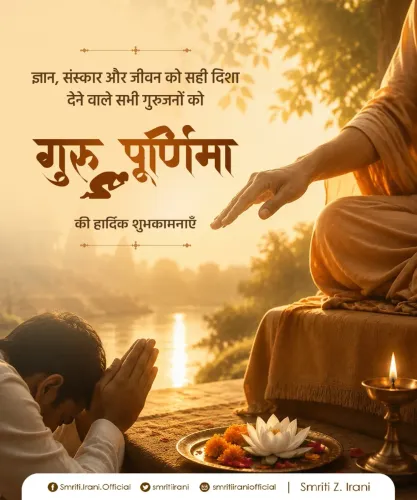
On the auspicious occasion of Guru Purnima, BJP MP Anurag Thakur paid tribute to teachers, spiritual guides and mentors across India, invoking a classical Sanskrit verse to honour the transformative power of the guru.
Thakur opened with the timeless Guru Vandana shloka — 'Akhandamandalakaram vyaptam yena characharam' — which translates as: 'He who pervades the entire universe, moving and unmoving, and who has revealed that supreme state — to that revered Guru, I bow.' He then wrote in Hindi that there is no principle greater than the guru, no austerity greater, and no knowledge surpassing the guru's wisdom. He offered 'respectful salutations to the godlike teachers who guide us all — spiritually, educationally, and in life — through their penance, sacrifice and knowledge.'
Guru Purnima is observed annually on the full moon day of the Hindu month of Ashadha. The festival is one of India's most enduring traditions of reverence for educators and spiritual masters, celebrated across schools, universities, ashrams and households. The Sanskrit verse Thakur cited belongs to a body of devotional hymns that have been recited in Indian gurukuls and temples for centuries, underscoring the civilisational depth the occasion carries.
Indian public figures across the political spectrum traditionally mark Guru Purnima with greetings, reflecting the festival's broad cultural resonance beyond any single faith or region. For Thakur, who has long engaged with themes of culture and heritage in his public communication, the choice to open with a Sanskrit shloka rather than a plain greeting signals deliberate rootedness in classical tradition.
Point of View
Civic inheritance. Guru Purnima greetings from political figures have become near-universal across party lines, but the register — devotional verse versus plain prose — often signals ideological positioning. For a former Union Minister who oversaw the culture-adjacent portfolios of Information and Broadcasting and Youth Affairs, the post reinforces a personal brand built around heritage and national identity. The wider pattern is one of Indian politics increasingly competing on the terrain of civilisational symbolism.
NationPress
29 Jul 2026
Frequently Asked Questions
What is Guru Purnima and why is it celebrated?
Guru Purnima is an annual Hindu festival observed on the full moon of the Ashadha month to honour gurus, teachers and spiritual guides. It is celebrated across schools, universities, ashrams and homes throughout India.
What Sanskrit shloka did Anurag Thakur quote for Guru Purnima?
He quoted the Guru Vandana verse beginning 'Akhandamandalakaram vyaptam yena characharam' , which salutes the guru who has revealed the supreme state that pervades the entire universe.
Who is Anurag Thakur?
Anurag Thakur is a BJP Lok Sabha MP from Hamirpur, Himachal Pradesh and a former Union Minister who held the portfolios of Information and Broadcasting and Youth Affairs and Sports.
What did Anurag Thakur say about the importance of a guru?
He wrote that there is no principle greater than the guru, no austerity greater, and no knowledge surpassing the guru's wisdom, calling teachers 'godlike' for their spiritual, educational and life guidance.
Do Indian politicians commonly post Guru Purnima greetings?
Yes. Indian political figures across parties routinely post Guru Purnima greetings, reflecting the festival's broad cultural resonance across faiths and regions in India.