Anurag Thakur Expresses Pride in India's PSUs
Synopsis
BJP MP Anurag Thakur posted from Delhi on 29 May 2026 expressing personal pride in India's public sector undertakings. The statement, framed as a citizen's sentiment, arrives amid ongoing debate over disinvestment and the strategic role of CPSEs in India's economy.
Key Takeaways
BJP MP Anurag Thakur posted from New Delhi on 29 May 2026 expressing pride in India's PSUs.
He framed the statement as a citizen rather than a legislator or party official.
India's Central Public Sector Enterprises (CPSEs) span energy, metals, transport and defence sectors.
The 2016 Union Budget formalised strategic disinvestment policy through the creation of DIPAM .
Successive governments since 1991 have pursued gradual PSU disinvestment while retaining majority stakes in strategic sectors.
Next Union Budget and DIPAM announcements will be watched for fresh disinvestment targets or capital infusion decisions.
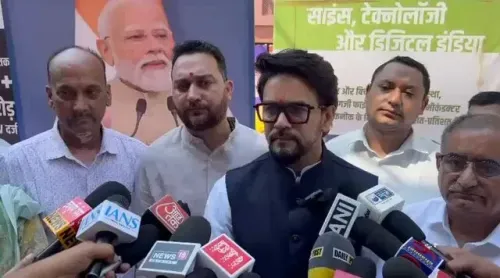
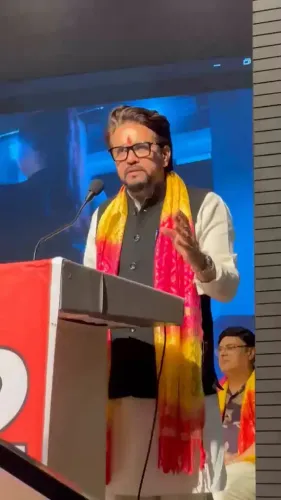
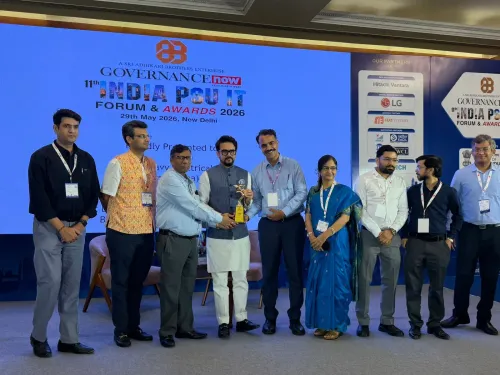
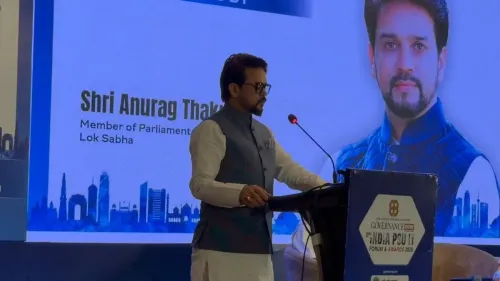
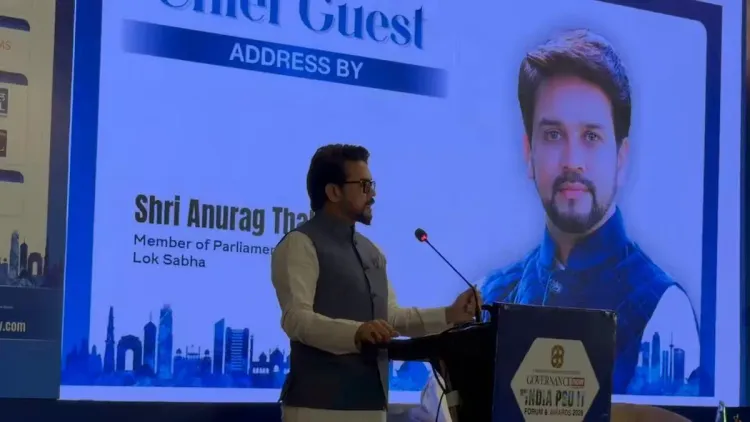
BJP MP Anurag Thakur, representing Hamirpur in Himachal Pradesh, took to X on Friday, 29 May 2026, to express pride in India's public sector undertakings, posting from New Delhi with the message: 'As a citizen of India, I am proud of my PSU's.'
Context
The post, accompanied by a video, reflects a sentiment that has gained recurring visibility in Indian political discourse — the idea that state-owned enterprises are a source of national identity and not merely instruments of economic policy. Thakur, a former Union Minister who held portfolios including Information and Broadcasting and Youth Affairs and Sports, framed his statement as a citizen rather than a legislator, lending it a personal, grassroots tone.
Public Sector Undertakings, commonly referred to as PSUs or Central Public Sector Enterprises (CPSEs), span critical sectors including energy, metals, transport, and defence, and remain under the administrative oversight of various Union ministries.
Policy Backdrop
India's relationship with its public sector has been shaped by decades of reform. Since 1991, successive governments have pursued gradual disinvestment and stock-market listing of PSUs while retaining majority ownership in strategically important sectors. The present administration formalised its strategic disinvestment policy in the 2016 Union Budget, creating the Department of Investment and Public Asset Management (DIPAM) to manage government stakes.
This dual approach — privatising non-strategic units while channelling capital expenditure into retained PSUs — has produced a nuanced narrative around state ownership. Expressions of national pride in PSUs frequently accompany these reforms, balancing arguments of operational efficiency with those of economic sovereignty.
Stakeholders and Impact
The statement resonates with a broad constituency: PSU employees and CPSE management who have at times felt vulnerable to privatisation drives, as well as citizens in regions where large public-sector plants and utilities form the economic backbone of local communities. For the ruling Bharatiya Janata Party (BJP), affirming pride in PSUs serves to counter perceptions that the government is ideologically committed to wholesale privatisation.
Thakur's framing as an ordinary citizen — rather than a party spokesperson or former minister — broadens the appeal of the message, positioning support for PSUs as a non-partisan, patriotic stance accessible to all Indians regardless of political affiliation.
What's Next
Observers will watch the next Union Budget and any forthcoming DIPAM pipeline announcements for fresh disinvestment targets or capital infusion decisions that will test how this rhetorical pride in PSUs translates into concrete policy. Any significant PSU listing, privatisation move, or large capital allocation is likely to reignite debate over the proper role of the state in India's economy — a debate in which statements such as Thakur's will continue to serve as political reference points.
Point of View
He taps into a broader, cross-partisan reverence for state-owned enterprises that successive governments have carefully cultivated. The timing matters: with each budget cycle bringing fresh speculation about DIPAM's disinvestment pipeline, such affirmations help the ruling party pre-empt criticism that economic reforms come at the cost of public ownership. It also reflects a wider pattern in which the BJP seeks to own the PSU legacy rather than cede that ground to the opposition. The real test will be whether this pride is matched by capital infusion and governance reforms that make CPSEs genuinely competitive.
NationPress
13 Oct 2026
Frequently Asked Questions
Why is Anurag Thakur talking about PSUs?
Anurag Thakur posted on X on 29 May 2026 to express personal pride in India's public sector undertakings, framing it as a citizen's sentiment amid ongoing national debate over disinvestment and the strategic role of CPSEs.
What are PSUs in India?
Public Sector Undertakings (PSUs), also called Central Public Sector Enterprises (CPSEs), are government-owned companies operating across sectors such as energy, metals, transport and defence, under the administrative control of various Union ministries.
What is DIPAM and what does it do?
DIPAM, the Department of Investment and Public Asset Management, was created following the 2016 Union Budget to manage the government's stakes in CPSEs and oversee strategic disinvestment while retaining control in key sectors.
Is the BJP government privatising PSUs?
The current administration has pursued a dual approach: privatising non-strategic units while continuing capital expenditure in retained PSUs. Strategic disinvestment policy formalised in 2016 guides which enterprises are candidates for stake sales.
Who is Anurag Thakur?
Anurag Thakur is a BJP Lok Sabha MP from Hamirpur in Himachal Pradesh and a former Union Minister who held the portfolios of Information and Broadcasting and Youth Affairs and Sports.