Anurag Thakur hails PSU transformation at India PSU Awards 2026
Synopsis
BJP MP Anurag Thakur addressed the 11th India PSU Awards 2026, arguing that India's public sector undertakings have shed their 'white elephant' image since 2014 to become globally competitive, technology-driven institutions aligned with Atmanirbhar Bharat and Viksit Bharat goals.
Key Takeaways
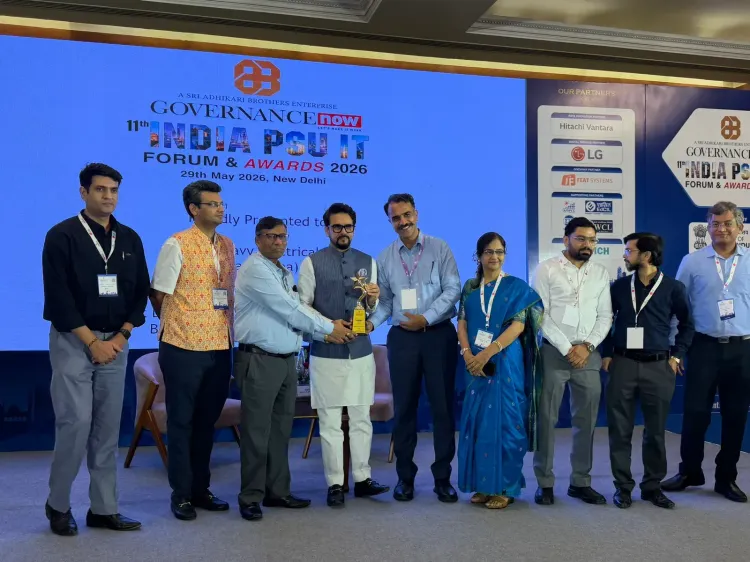
BJP MP Anurag Thakur participated in the 11th India PSU Awards 2026 hosted by Governance Now on 29 May 2026 .
He described PSUs as having transformed from 'white elephants' before 2014 into engines of growth, innovation, and national development.
The awards recognised excellence in digital transformation, innovation, cybersecurity, and technology-driven governance.
Thakur linked PSU reform to Atmanirbhar Bharat (launched May 2020 ) and the Viksit Bharat vision targeting a developed India by 2047 .
Key policy milestones cited include the Digital India programme ( 2015 ) and revised strategic disinvestment policy ( 2016-17 ).
Next Union Budget allocations for PSU capital expenditure and parliamentary disinvestment reviews are the immediate policy markers to watch.
BJP MP Anurag Thakur attended the 11th India PSU Awards 2026, organised by Governance Now, on Friday, 29 May 2026, and delivered an address celebrating a decade of transformation in India's Public Sector Undertakings. The event recognised excellence in digital transformation, innovation, cybersecurity, and technology-driven governance across central public sector enterprises.
Context
Speaking at the ceremony, Thakur described the journey of India's PSUs as the story of a 'New India — confident, resilient, innovative, and self-reliant.' He recalled that before 2014, public sector companies were widely dismissed as 'white elephants,' burdened by inefficiency and dependent on state support. He argued that the intervening decade had fundamentally altered that perception.
Thakur credited Prime Minister Narendra Modi's leadership for reimagining PSUs as 'globally competitive, professionally managed, technology-driven institutions.' The remarks were delivered before an audience that included PSU managements and technology sector participants gathered to receive and witness the annual awards.
Policy Backdrop
The transformation Thakur referenced has unfolded through a series of overlapping policy initiatives. The Digital India programme, launched in 2015, mandated technology integration across central public sector enterprises, pushing them toward e-governance, digitised services, and cybersecurity investment. The strategic disinvestment policy, revised in 2016-17, sought to monetise non-core PSU assets and sharpen operational focus.
The Atmanirbhar Bharat Abhiyan, announced in May 2020, gave PSU reform a sharper strategic edge: public sector companies in manufacturing and technology were directed to reduce import dependence and build domestic supply chains. More recently, the Viksit Bharat vision — targeting a developed India by 2047 — has framed PSU performance as a measurable pillar of national progress, linking corporate balance sheets to a long-term civilisational goal.
Taken together, these programmes represent a deliberate shift in the government's philosophy toward PSUs: away from social-welfare mandates and toward commercial viability, profitability targets, and technology modernisation.
Stakeholders and Impact
The India PSU Awards platform, run by Governance Now, has become an annual barometer of how public sector enterprises measure themselves against digital and governance benchmarks. By recognising achievements in cybersecurity, digital governance, and innovation, the awards reflect the government's emphasis on outcome-based accountability rather than input-based oversight.
PSU managements across sectors — from energy and defence to banking and infrastructure — participate in such forums to signal modernisation credentials to investors, policymakers, and the public. Technology vendors supplying digital infrastructure to these enterprises also have a direct stake in the narrative of PSU competitiveness, as government contracts in this space are substantial.
For workers and communities dependent on PSU employment, the shift toward commercial viability has been a double-edged development: efficiency gains have improved institutional health, but the parallel disinvestment drive has raised questions about job security in units flagged for privatisation.
What's Next
Attention will now turn to the next Union Budget and its allocations for PSU capital expenditure and technology upgradation, which will test whether the political rhetoric of transformation is matched by fiscal commitment. Parliamentary committee reviews of disinvestment targets during the monsoon session are also expected to scrutinise the pace and scope of PSU restructuring.
As India positions its public sector as a vehicle for both Atmanirbhar Bharat and Viksit Bharat, the credibility of that positioning will increasingly depend on verifiable performance data — the kind that events like the India PSU Awards are designed to surface and celebrate.
Point of View
However, lies in the next budget cycle and whether capital expenditure allocations substantiate the transformation rhetoric.
NationPress
13 Oct 2026
Frequently Asked Questions
What is the India PSU Awards 2026?
The India PSU Awards 2026 is the 11th edition of an annual awards ceremony organised by Governance Now that recognises excellence among India's Public Sector Undertakings in areas such as digital transformation, innovation, cybersecurity, and technology-driven governance.
What did Anurag Thakur say about PSUs at the event?
Anurag Thakur said India's PSUs had shed their pre-2014 reputation as 'white elephants' and emerged as globally competitive, professionally managed, technology-driven institutions aligned with Atmanirbhar Bharat and the Viksit Bharat vision.
What is Atmanirbhar Bharat and how does it relate to PSUs?
Atmanirbhar Bharat Abhiyan, launched in May 2020, is a self-reliant India programme that directs PSUs to reduce import dependence and boost domestic manufacturing and technology indigenisation.
What is the Viksit Bharat vision?
Viksit Bharat is the government's vision for a developed India by 2047, which frames PSU performance and competitiveness as central to achieving long-term national progress targets.
What policy changes have shaped India's PSU reform since 2014?
Key reforms include the Digital India programme launched in 2015 mandating technology integration in public enterprises, a revised strategic disinvestment policy from 2016-17 focused on monetising non-core assets, and the Atmanirbhar Bharat Abhiyan of 2020 targeting import substitution and domestic manufacturing.