Anurag Thakur unveils Maharana Pratap statue in Karnataka's Talikoti
Synopsis
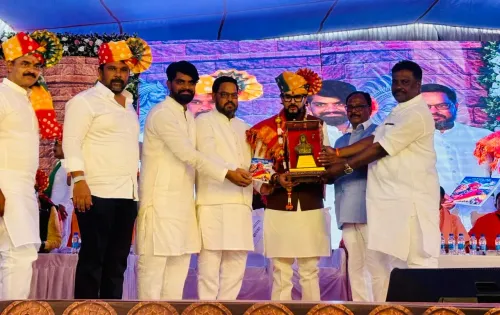
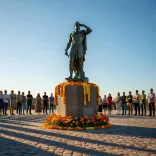
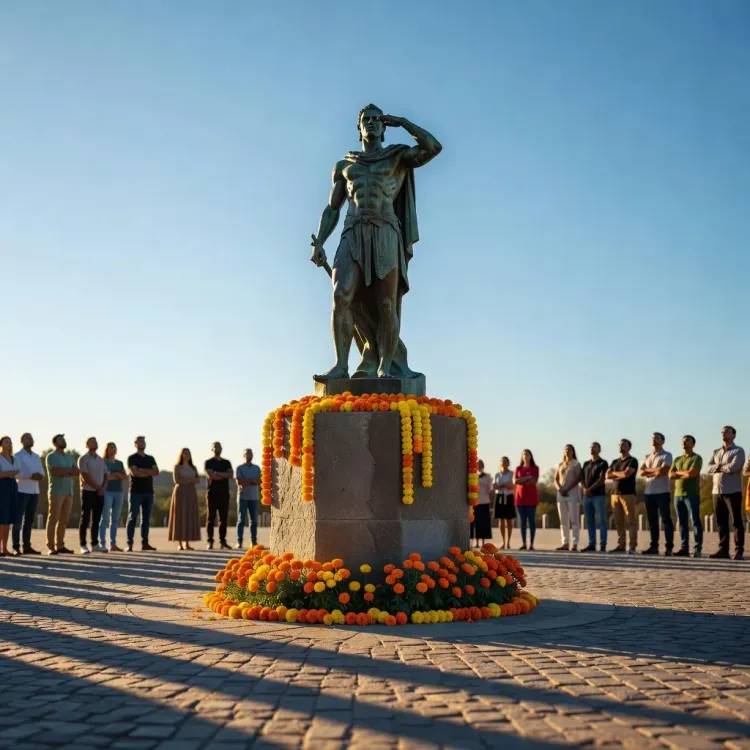
BJP MP Anurag Thakur unveiled a bronze statue of 16th-century Rajput warrior-king Maharana Pratap at a grand ceremony in Talikoti, Vijayapura district, Karnataka, on 15 November 2026, organised by the Rajput community and local residents.
Key Takeaways
Anurag Thakur , BJP Lok Sabha MP from Hamirpur, Himachal Pradesh, unveiled a bronze statue of Maharana Pratap in Talikoti, Karnataka on 15 November 2026 .
The ceremony was organised by the Rajput community and local residents of Talikoti in Vijayapura district , northern Karnataka.
Maharana Pratap was the 16th-century Rajput ruler of Mewar, celebrated for resisting Mughal forces under Emperor Akbar.
Talikoti is historically significant as the site of the Battle of Talikota (1565) , which ended the Vijayanagara Empire.
The event reflects a broader BJP pattern of honouring pre-modern Hindu warrior figures at community events across states.
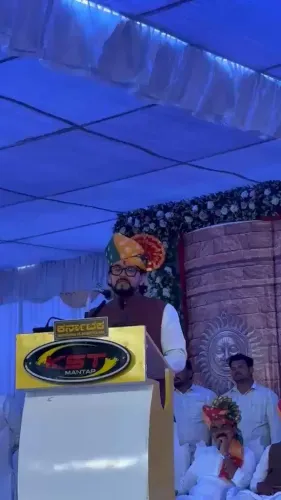
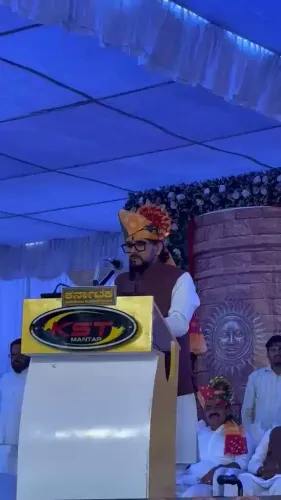
A bronze tribute to one of Rajputana's most celebrated warrior-kings rose in the heartland of Karnataka on Sunday. BJP MP Anurag Thakur unveiled a bronze statue of Veer Shiromani Maharana Pratap at a grand ceremony organised by the Rajput community and local residents in Talikoti, Vijayapura district, Karnataka, on 15 November 2026 — and then addressed the assembled crowd gathered for the occasion.
Sharing the moment on X, Thakur wrote: 'Aaj Karnataka ke Vijayapura jile ke Talikoti mein Rajput samaj evam sthaniya nivasiyon dwara aayojit bhavy samaroh mein Veer Shiromani Maharana Pratap ki kansy pratima ka anavelan karne va upasthit janasamuh ko sambhodhit karne ka suavasar mila' — 'Today I had the auspicious opportunity to unveil the bronze statue of Veer Shiromani Maharana Pratap and address the gathering at a grand ceremony organised by the Rajput community and local residents in Talikoti, Vijayapura district, Karnataka.'
Who was Maharana Pratap — and why Karnataka?
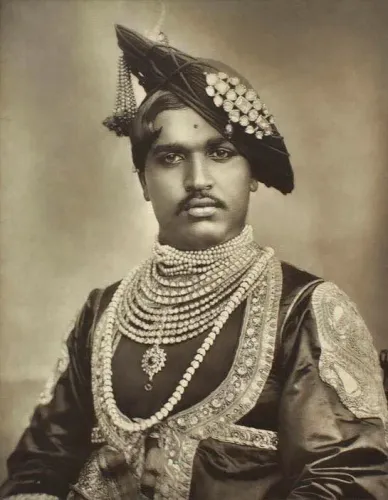
Maharana Pratap was the 16th-century Rajput ruler of Mewar, venerated across communities for his prolonged military resistance against the Mughal forces of Emperor Akbar. His legacy, rooted in Rajasthan, has become a pan-Indian symbol of valour and sovereignty — invoked well beyond the borders of his original kingdom.
Talikoti's own place in history is notable: the town lends its name to the Battle of Talikota (1565), a watershed moment in the Deccan that marked the fall of the Vijayanagara Empire. That a statue of Maharana Pratap — a near-contemporary of that battle — now stands in Talikoti weaves together two threads of medieval Indian resistance history in a single town square.
BJP's pattern of honouring Rajput icons across state lines
Sunday's event fits a wider, deliberate pattern: BJP leaders regularly travel to states with smaller Rajput populations to participate in programmes honouring pre-modern Hindu warrior figures, using shared historical narratives to build cultural bridges across regional demographics. Karnataka, heading into a politically competitive cycle, has seen several such outreach events in recent months.
Thakur — the Lok Sabha MP from Hamirpur, Himachal Pradesh and former Union Minister of Information & Broadcasting and Youth Affairs & Sports — is a frequent face at such ceremonies, lending national-level visibility to community-organised events that might otherwise remain local in reach.
A warrior-king's bronze gaze now watches over a Deccan town steeped in its own epic history. How that symbolism resonates — in Karnataka's villages and in Delhi's political calculations — will be worth watching.
Point of View
A town already freighted with Deccan historical memory, adds a layer of symbolic resonance that local organisers and party strategists alike are unlikely to have missed.
NationPress
15 Nov 2026
Frequently Asked Questions
Where did Anurag Thakur unveil the Maharana Pratap statue?
Anurag Thakur unveiled the bronze statue of Maharana Pratap in Talikoti, Vijayapura district, Karnataka, on 15 November 2026.
Who was Maharana Pratap?
Maharana Pratap was a 16th-century Rajput ruler of Mewar in present-day Rajasthan, widely revered for his military resistance against Mughal Emperor Akbar's forces.
Who organised the Maharana Pratap statue unveiling in Talikoti?
The ceremony was organised by the Rajput community and local residents of Talikoti in Vijayapura district, Karnataka.
What is Anurag Thakur's political background?
Anurag Thakur is a BJP Lok Sabha MP from Hamirpur, Himachal Pradesh, and a former Union Minister of Information & Broadcasting and Youth Affairs & Sports.
Why is Talikoti historically significant?
Talikoti is the site of the Battle of Talikota (1565), a decisive engagement in the Deccan that led to the fall of the Vijayanagara Empire.