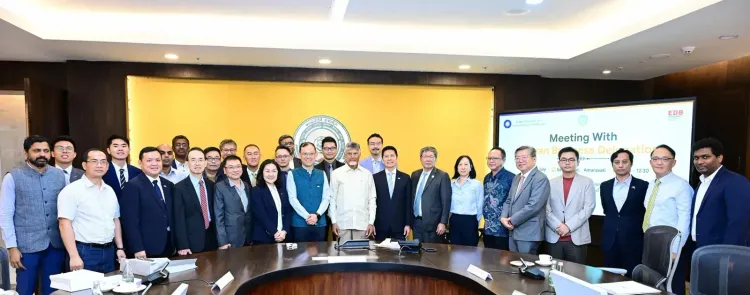
AP CM Naidu meets Taiwan industrial delegation in Amaravati
Synopsis
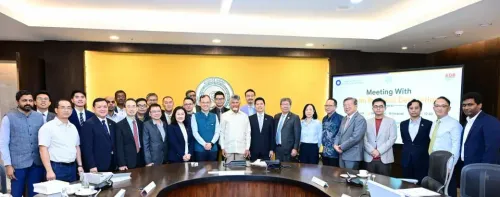
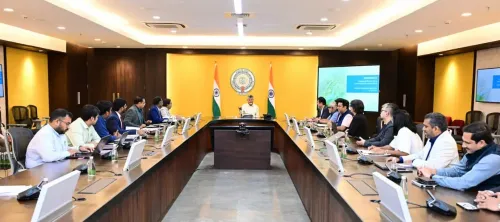
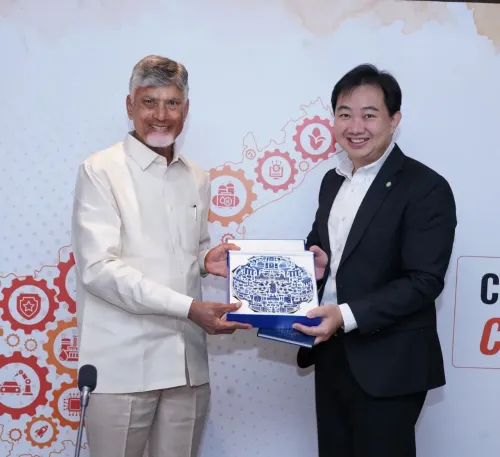
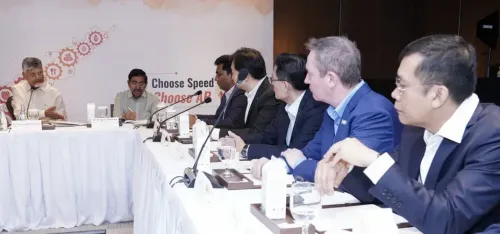
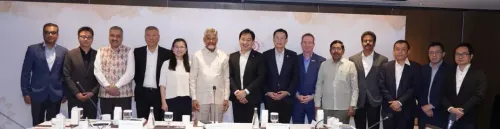
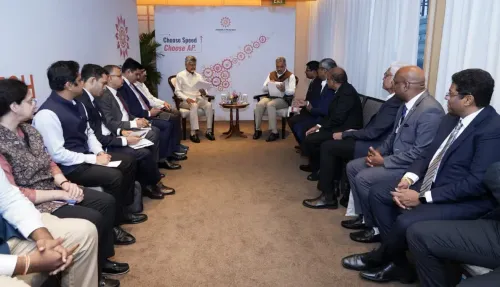
Chief Minister N. Chandrababu Naidu met a delegation of 13 Taiwanese industrial companies at the Andhra Pradesh State Secretariat on 29 July 2026, presenting the state's logistics infrastructure, semiconductor focus and investor-friendly policy framework to attract East Asian manufacturing investment.
Key Takeaways
13 Taiwanese companies — including Delta Electronics and BenQ — met CM Chandrababu Naidu at the AP State Secretariat on 29 July 2026 .
CM Naidu pitched the state's ports, airports, rail and road logistics network and existing manufacturing ecosystem.
The government highlighted a special focus on electronics, semiconductors, IT and advanced manufacturing for export-oriented industries.
Naidu committed to policy stability, fast-track clearances and full incentives for investors choosing Andhra Pradesh.
The meeting fits a broader pattern of Indian states competing for Taiwanese investment as global supply chains diversify.
Follow-up MoUs, site visits or investment announcements from the listed firms will indicate whether the engagement converts into capital.
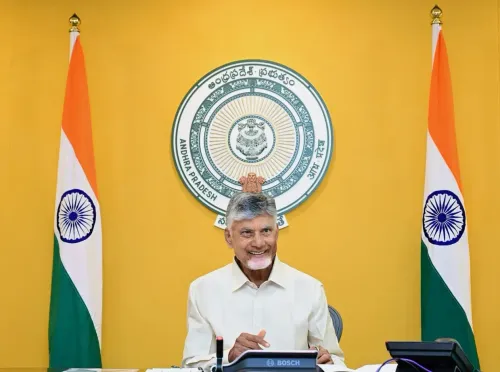
Thirteen Taiwanese industrial giants walked into the Andhra Pradesh State Secretariat on Wednesday, 29 July 2026, and sat across from Chief Minister N. Chandrababu Naidu — a meeting that signals how seriously the state is chasing East Asian capital in electronics, semiconductors and advanced manufacturing.
Who came to the table
The delegation was no casual courtesy call. It included representatives from Delta Electronics, BenQ, CBTC Bank, Dynacraft, Master Hill, Nan Pao Resins, Ever Clear Environmental Engineering, Sheng Hui Tech, Tech Top Engineering, KS Terminals, Sand Sun, Jilee Constructions and Engineering, and Capella Stores — a cross-section spanning power electronics, display technology, banking, materials and construction. The breadth of the group suggests Andhra Pradesh is pitching itself not just as a factory floor but as a full investment ecosystem.
Naidu's pitch: ports, policy, and speed
CM Naidu walked the delegation through the state's logistics spine — ports, airports, rail and road networks — and the manufacturing ecosystem already in place. He highlighted the government's focus on electronics, semiconductors, IT and advanced manufacturing, particularly export-oriented industries. The message on policy was direct: stability, fast-track clearances, and full-spectrum incentives for investors who commit to Andhra Pradesh.
That pitch is not new, but the context sharpens it. Since the 2014 bifurcation that stripped the state of Hyderabad, successive Andhra Pradesh governments have chased electronics manufacturing clusters and export industries to rebuild the economic base. Naidu, who built his early reputation on IT-led growth, is returning to that playbook — now with a national tailwind. India's Semiconductor Mission, launched in 2021, provides central government incentives that states can layer their own packages on top of, and Andhra Pradesh has been positioning itself to capture that flow.
Why Taiwanese firms are listening
Global supply chains are under pressure to diversify away from single-country concentration, and Taiwan's electronics and semiconductor majors are actively scouting alternative or complementary production bases across Asia. Delta Electronics — a global leader in power management and energy infrastructure — and BenQ, a major display and technology brand, are exactly the kind of anchor investors that draw smaller suppliers and service firms into a cluster. Their presence in this delegation, alongside construction, materials and financial firms, hints at the full stack of what a serious manufacturing investment requires.
Indian states are competing fiercely for this capital. Andhra Pradesh's argument rests on its coastline, its port capacity at Visakhapatnam and Krishnapatnam, and the institutional memory of industrial policy built over decades under Naidu's earlier tenures.
What to watch next
The meeting itself produces no binding commitment — the real test is whether any of the thirteen firms return for site visits, sign MoUs, or announce investment figures in the months ahead. Progress on state-level incentive packages tied to the national semiconductor policy will be the clearest indicator of whether this delegation converts into ground-level investment.
Andhra Pradesh has had high-profile investor meetings before that did not fully materialise. But the composition of this delegation — spanning power electronics, materials, construction and finance — suggests firms doing the kind of multi-sector due diligence that precedes serious commitment. Naidu's government will be watching the follow-through closely. So will every competing state.
Point of View
Spanning power electronics to construction finance, suggests genuine supply-chain-level due diligence rather than a courtesy visit. If even two or three anchor firms commit, the cluster effect could pull in the rest. The harder question is execution: Andhra Pradesh has generated investor-meeting headlines before, and converting this into ground-level investment will depend on how quickly the state can demonstrate single-window clearance speed and competitive incentive stacking against rival states.
NationPress
29 Jul 2026
Frequently Asked Questions
Which Taiwanese companies met CM Chandrababu Naidu in July 2026?
Thirteen Taiwanese firms attended the meeting, including Delta Electronics, BenQ, CBTC Bank, Dynacraft, Master Hill, Nan Pao Resins, Ever Clear Environmental Engineering, Sheng Hui Tech, Tech Top Engineering, KS Terminals, Sand Sun, Jilee Constructions and Engineering, and Capella Stores.
What did CM Naidu pitch to the Taiwanese delegation?
CM Naidu presented Andhra Pradesh's logistics infrastructure — ports, airports, rail and road networks — its electronics and semiconductor manufacturing ecosystem, and the state government's commitment to policy stability, fast-track clearances and full investor incentives.
Why are Taiwanese electronics firms looking at Andhra Pradesh?
Global supply chains are diversifying away from concentration in single countries, prompting Taiwanese electronics and semiconductor firms to scout alternative production bases in India. Andhra Pradesh is pitching its coastline, port capacity and industrial policy as competitive advantages.
How does India's Semiconductor Mission relate to this meeting?
India's Semiconductor Mission, launched in 2021, provides central government incentives for semiconductor manufacturing. States like Andhra Pradesh are layering their own packages on top to attract Taiwanese and other foreign firms into the sector.
What happens after the Taiwan delegation meeting in AP?
The meeting itself produces no binding commitment. The next indicators to watch are follow-up site visits, memoranda of understanding, or investment announcements from the listed Taiwanese companies in the coming months.