Andhra Pradesh junior doctors escalate strike, 9,000 off duty in stipend row
Synopsis
Nine thousand junior doctors in Andhra Pradesh have shut down emergency services across all 19 government medical colleges — not over a new grievance, but over a stipend revision that has been legally due since January under a 2009 government order. The state is offering 3–5%, the doctors want 15%, and ICUs and labour rooms are caught in between.
Key Takeaways
Around 9,000 junior doctors in Andhra Pradesh launched a total boycott of emergency services on 17 August .
APJUDA escalated from a phased strike (begun 11 August ) after receiving no written assurance from the government.
Doctors are demanding a 15 per cent stipend hike pending since 1 January , as mandated by a 2009 Health Department order .
The government has offered only 3 per cent for PG junior doctors and 5 per cent for house surgeons and interns.
Accepting the full demand would cost the state an additional ₹87.91 crore annually on top of the existing ₹586.08 crore stipend bill.
All 19 government medical colleges are affected; ICUs, casualty wards, and labour rooms face severe disruption.
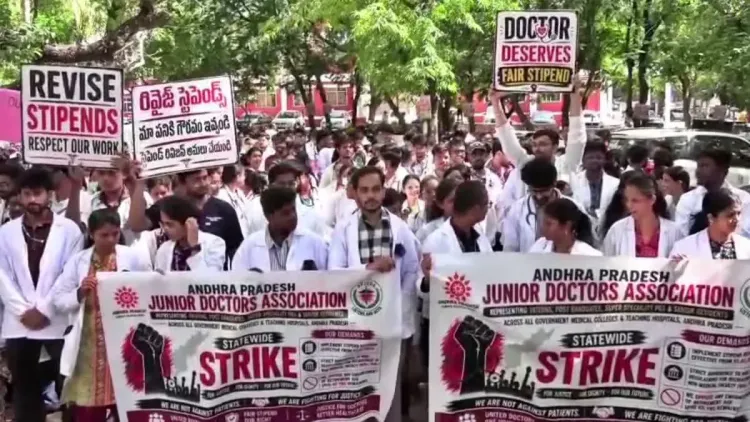
Around 9,000 junior doctors across Andhra Pradesh on Monday, 17 August launched a total boycott of emergency services, paralyzing healthcare delivery at government medical colleges and teaching hospitals as their demand for a long-overdue stipend hike remained unmet. The Andhra Pradesh Junior Doctors' Association (APJUDA) called the escalation after the state government declined to provide a written assurance on the revision.
How the Strike Escalated
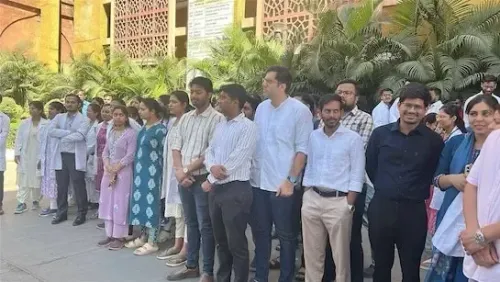
The walkout did not begin abruptly. APJUDA had initiated a phased protest on 11 August, starting with a time-bound withdrawal from non-emergency services. With no written commitment forthcoming from the government, the association widened the action to a complete boycott of emergency departments from Monday. Resident doctors, medical interns, junior residents, super-speciality postgraduates, senior residents, and doctors under the District Residency Programme (DRP) scheme are all participating, spanning all 19 government medical colleges in the state.
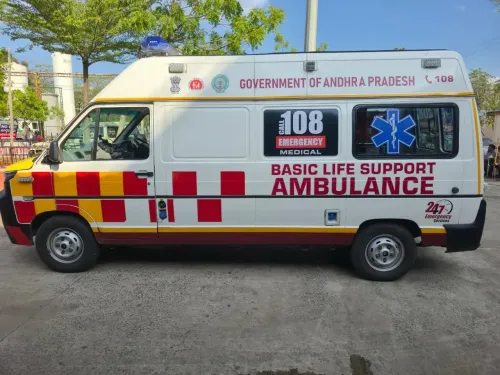
The impact has been immediate and widespread. Intensive Care Units (ICUs), casualty wards, labour rooms, and non-emergency services across government teaching hospitals, superspeciality units, and peripheral medical colleges are either severely disrupted or fully suspended.
The Stipend Dispute at the Core
According to APJUDA, the stipend revision has been pending since 1 January. A 2009 order issued by the Health, Medical and Family Welfare Department mandates a biennial revision of junior doctors' stipends by approximately 15 per cent. APJUDA leaders say that despite repeated appeals, authorities failed to offer a clear commitment, leaving them with no option but to strike.
The gap between what doctors are asking and what the government has offered is stark. APJUDA is demanding a 15 per cent hike, while the government has proposed just 3 per cent for postgraduate junior doctors and 5 per cent for house surgeons and interns — well below the biennial norm.
During talks, the government informed APJUDA that the Finance Department is not favourably inclined toward a 15 per cent increase given the state's current fiscal position. Officials proposed instead an annual incremental increase for interns and postgraduate students, and urged the doctors to accept the offer in light of the state's financial constraints and ongoing public welfare commitments.
The Financial Numbers Behind the Standoff
According to an official release, the state government currently spends approximately ₹586.08 crore annually on stipends for 9,501 junior doctors. Accepting the demanded 15 per cent hike would add roughly ₹87.91 crore to that annual outlay — a figure the Finance Department has flagged as fiscally difficult at this time.
Government's Contingency Response
The state health department said it has activated contingency measures to limit disruption to patients. The department is coordinating continuously with District Collectors, medical college principals, and hospital superintendents. Additional doctors are on standby wherever required, and special arrangements have been made to sustain the functioning of emergency departments, ICUs, maternity services, operation theatres, NICU, PICU, dialysis units, and trauma services. Adequate stocks of medicines, oxygen, blood, and essential medical supplies are also being maintained, according to officials.
Other Demands on the Table
Beyond the stipend dispute, APJUDA is pressing for the implementation of National Medical Commission (NMC) norms in recruiting MSc and PhD holders to clinical faculty posts. The association is also opposing a proposed increase in the retirement age of doctors from 62 to 65 years, adding further complexity to the negotiations.
With no resolution in sight, the standoff between the state government and its junior medical workforce is likely to deepen — and the burden, as always, falls on patients in the public health system.
Point of View
Yet the Finance Department has spent years ignoring the obligation, and now 9,000 doctors have stopped showing up to ICUs. The 15 per cent demand is not an escalation — it is the baseline the state committed to over a decade ago. Offering 3–5 per cent while citing fiscal stress is a credibility problem as much as a financial one. More troubling is the pattern: junior doctor strikes over stipend non-payment are a recurring feature of Indian public health administration, suggesting the issue is structural, not episodic. Until states embed automatic, audited stipend indexation into budget cycles, this cycle will repeat — and patients in the public system will keep paying the price.
NationPress
1 Oct 2026
Frequently Asked Questions
Why are junior doctors in Andhra Pradesh on strike?
Junior doctors in Andhra Pradesh are striking to demand a 15 per cent hike in stipend that has been pending since 1 January, as mandated by a 2009 Health Department order requiring biennial revision. The government has offered only 3–5 per cent, which APJUDA has rejected as inadequate.
How many doctors are on strike and which hospitals are affected?
Approximately 9,000 resident doctors, interns, junior residents, super-speciality postgraduates, senior residents, and DRP doctors are off duty. All 19 government medical colleges in Andhra Pradesh are affected, with ICUs, casualty wards, and labour rooms facing severe disruption.
What is the government's position on the stipend hike?
The state government has offered a 3 per cent hike for postgraduate junior doctors and 5 per cent for house surgeons and interns, citing fiscal constraints. The Finance Department has indicated it is not favourably disposed toward the full 15 per cent demand, which would cost an additional ₹87.91 crore annually.
What other demands has APJUDA raised apart from the stipend hike?
APJUDA is also demanding implementation of National Medical Commission norms for recruiting MSc and PhD holders to clinical faculty posts, and is opposing a proposed increase in the retirement age of doctors from 62 to 65 years.
What arrangements has the government made for patients during the strike?
The health department is coordinating with District Collectors, medical college principals, and hospital superintendents to manage the crisis. Additional doctors are on standby, and special measures are in place to maintain emergency departments, ICUs, maternity services, operation theatres, NICU, PICU, dialysis units, and trauma services, along with adequate supplies of medicines, oxygen, and blood.