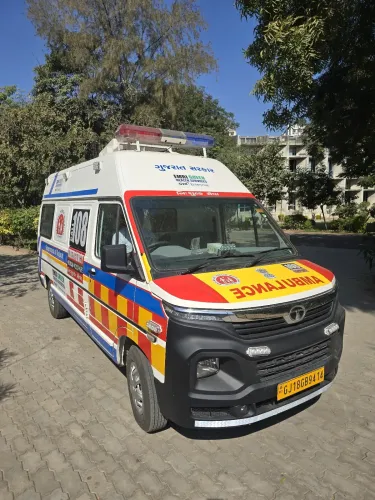
Andhra Pradesh 108 ambulance service handles 7.78 lakh emergencies in 2025-26
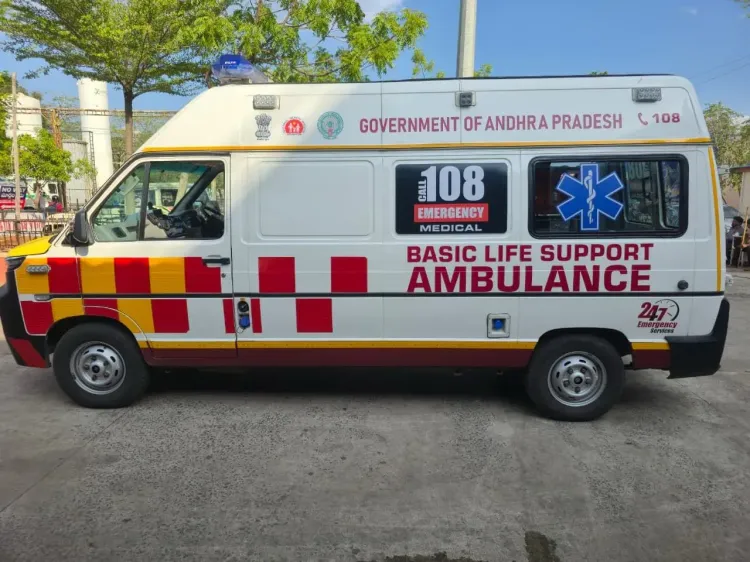
Synopsis
Andhra Pradesh's 108 ambulance network responded to nearly 7.79 lakh emergencies in a single year after a full-scale modernisation — GPS-guided, data-linked, and staffed by trained EMTs transmitting live vitals to ERs. The numbers reveal the true scale of pre-hospital care demand in a state where road accidents, maternity crises, and cardiac events together account for the majority of calls.
Key Takeaways
The Andhra Pradesh government, in partnership with Bhavya Health Care , overhauled its 108 ambulance service to meet international trauma care standards.
The network handled 7,78,799 emergency calls between June 2025 and May 2026 .
1,13,764 road accident victims were stabilised on-site; 1,05,786 pregnant women were safely transported to maternal care facilities.
Cardiac emergencies totalled 45,951 ; respiratory distress cases reached 97,118 ; neonatal emergencies numbered 14,007 .
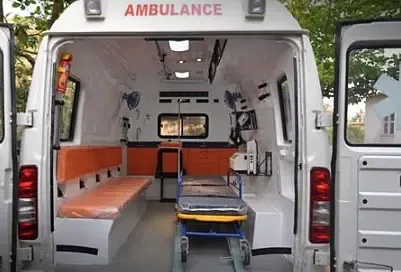
Ambulances are equipped with ALS systems , AEDs , and live data links allowing EMTs to transmit patient vitals to receiving hospitals in transit.
Inter-Facility Transfers (IFT) covered 2,53,022 cases; non-IFT direct dispatches covered 5,25,777 cases.
The Andhra Pradesh government has completed a comprehensive overhaul of its 108 ambulance emergency services, responding to 7,78,799 emergency calls between June 2025 and May 2026 — a scale that positions the network as one of the most active pre-hospital care systems in south India. The modernisation, carried out in partnership with Bhavya Health Care, integrates advanced GPS tracking, real-time traffic routing, and digitised patient records to meet international trauma care benchmarks, according to an official release issued on Sunday, 7 June.
Key Operational Numbers
Of the total 7,78,799 cases handled, the service managed two distinct logistics streams: Inter-Facility Transfers (IFT) accounted for 2,53,022 cases, moving critical patients from primary health centres to tertiary super-speciality hospitals without interrupting care. The remaining 5,25,777 non-IFT emergencies involved direct high-speed dispatches to accident sites, homes, and remote rural locations for on-site triage and immediate evacuation.
Road traffic accidents formed the single largest category, with 1,13,764 victims stabilised at the trauma site. Pregnancy and maternity emergencies were the second-largest segment, with 1,05,786 pregnant women transported safely to advanced maternal care facilities — a caseload officials say has contributed to measurable reductions in maternal and infant mortality rates across the state.
Medical Interventions Across Crisis Categories
First responders managed 97,118 cases of respiratory distress through immediate oxygen administration and advanced airway management. Cardiac emergencies numbered 45,951, with ambulances equipped with automated external defibrillators (AEDs) and advanced life support systems to address conditions such as acute myocardial infarction, where a delay of even five minutes can determine the difference between survival and permanent cardiac damage.
Other significant categories included 49,342 non-vehicular injuries requiring haemorrhage control, 40,553 cases of unconsciousness, 34,532 abdominal pain assessments, 32,858 poisoning cases, 29,485 seizure episodes, 20,278 acute stroke cases, and 14,007 neonatal emergencies requiring paediatric life support.
Technology and Workforce Upgrades
Each ambulance in the revamped fleet carries advanced life support (ALS) equipment, AEDs, and dedicated communication systems that allow Emergency Medical Technicians (EMTs) to transmit live patient vitals directly to receiving hospital emergency rooms while en route. This data-sharing capability is designed to compress the time between arrival and definitive treatment — a critical factor in stroke and cardiac cases where the 'Golden Hour' protocol governs survival outcomes.
The partnership with Bhavya Health Care also introduced digitised patient logs, replacing paper-based records and enabling real-time monitoring of fleet deployment across both urban centres and rural districts of Andhra Pradesh.
Rural Reach and Public Health Impact
The service's rural footprint is a notable feature of this operational cycle. A significant share of the 5,25,777 non-IFT dispatches reached villages and remote agricultural areas where no other emergency transport infrastructure exists. This comes amid broader state-level efforts to close the urban-rural gap in emergency healthcare access — a persistent challenge across Indian states with large rural populations.
With the 2025-26 cycle now complete, the government is expected to review operational data and announce the next phase of upgrades for the 108 network.
Point of View
78,799-case figure is striking, but the more telling number is the 1,05,786 maternity transports — a direct indicator that basic obstetric infrastructure in rural Andhra Pradesh still depends heavily on emergency ambulances rather than functional local health centres. The cardiac and stroke caseload (over 66,000 combined) also points to a growing non-communicable disease burden that pre-hospital services were not originally designed to carry. The technology upgrades are real, but they are compensating for gaps in primary care rather than complementing a complete system. The true test of this overhaul will be whether response time data — not just case volume — is published and independently verified.
NationPress
19 Sept 2026
Frequently Asked Questions
How many emergency calls did Andhra Pradesh's 108 ambulance service handle in 2025-26?
The 108 ambulance service handled 7,78,799 emergency calls between June 2025 and May 2026, covering road accidents, maternity emergencies, cardiac cases, and more across urban and rural Andhra Pradesh.
What technology upgrades were made to the Andhra Pradesh 108 ambulance service?
The service was upgraded with advanced GPS tracking, real-time traffic routing, digitised patient logs, ALS equipment, automated external defibrillators (AEDs), and communication systems that allow EMTs to transmit live patient vitals to hospital emergency rooms while in transit. The overhaul was carried out in partnership with Bhavya Health Care.
How many pregnant women were helped by the 108 ambulance service?
A total of 1,05,786 pregnant women were safely transported to advanced maternal care facilities during the 2025-26 operational cycle. Officials said this has contributed to a drop in maternal and infant mortality rates in the state.
What is the difference between IFT and non-IFT cases in the 108 service?
Inter-Facility Transfers (IFT) involve moving critical patients between healthcare facilities — for example, from a primary health centre to a super-speciality hospital — and accounted for 2,53,022 cases. Non-IFT emergencies are direct dispatches to accident sites, homes, or remote areas, and covered 5,25,777 cases.
Which medical emergencies were most common in Andhra Pradesh's 108 service data?
Road traffic accidents were the most common category with 1,13,764 cases, followed by maternity emergencies ( 1,05,786 ), respiratory distress ( 97,118 ), non-vehicular injuries ( 49,342 ), cardiac emergencies ( 45,951 ), and unconsciousness cases ( 40,553 ), among others.