Lt Gen Sengupta Reviews Army Readiness at Meerut HQ
Synopsis
Army's Central Command chief Lt Gen Anindya Sengupta reviewed operational readiness, inaugurated new welfare infrastructure at Meerut, and inspected cutting-edge equine breeding operations at Babugarh — while elite Shatrujeet Brigade paratroopers demonstrated razor-sharp close-quarter combat drills, signalling India's military is in a heightened state of mission readiness.
Key Takeaways
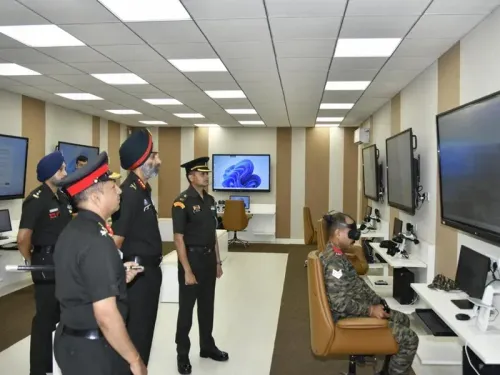
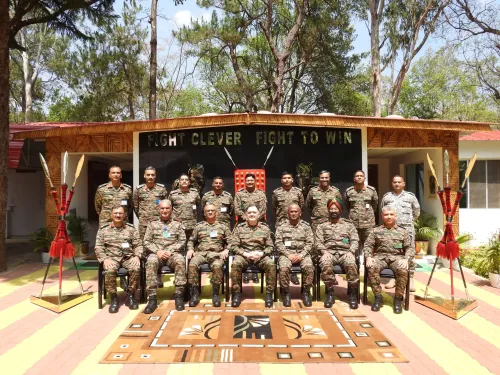
Lt General Anindya Sengupta , Army's Central Command chief, reviewed operational preparedness and hinterland security at Headquarters Pashchim UP Sub Area, Meerut on April 24, 2025 .
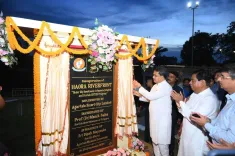
The Army Commander inaugurated a new MES Inspection Bungalow and Medical Inspection Room at Meerut Station to enhance troop welfare and medical support.
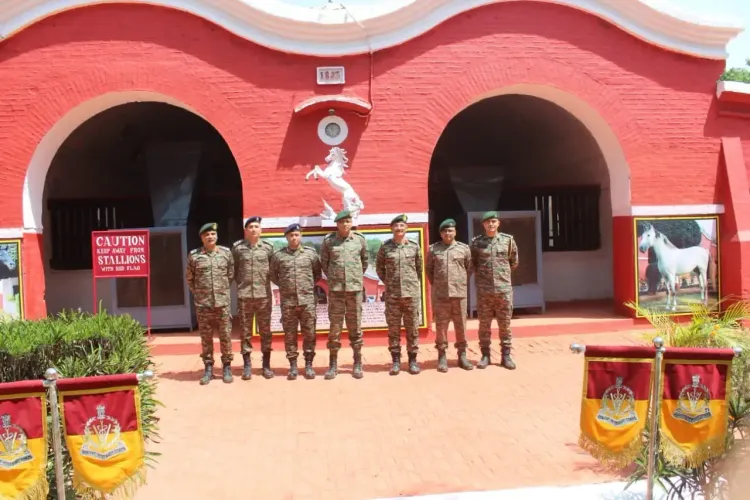
Lt Gen Sengupta visited the Equine Breeding Stud at Babugarh , reviewing modern breeding practices and innovative farm management systems adopted by the Army.
Elite paratroopers of the Shatrujeet Brigade conducted rigorous close-quarter battle (CQB) drills, demonstrating high combat readiness and precision.
Minister of State for Defence Sanjay Seth attended the Naval Civilian Function at Manekshaw Centre, New Delhi , honouring naval civilians for their role in strengthening the Indian Navy's operational capability.
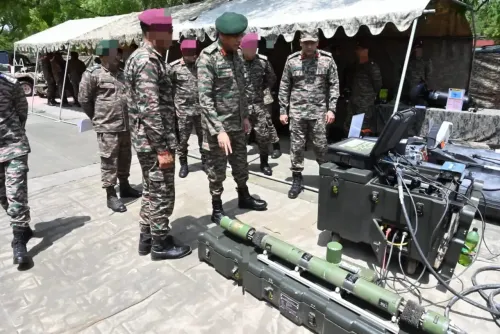
The Central Command emphasised adoption of niche technologies across all arms — from frontline units to support services — to sustain a decisive operational edge.
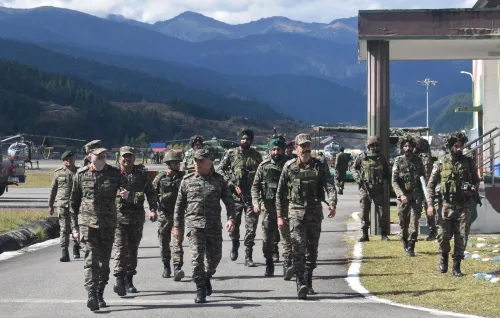
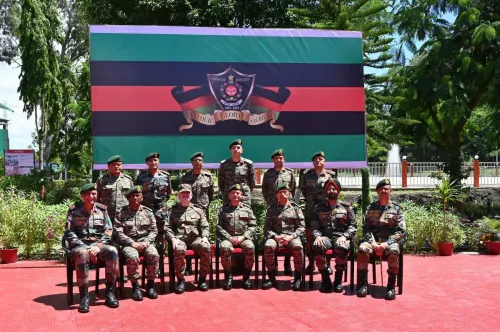
Lt General Anindya Sengupta, the Army's Central Command chief, conducted a comprehensive review of operational preparedness and hinterland security at the Headquarters Pashchim Uttar Pradesh Sub Area in Meerut on Friday, April 24. The high-level visit underscored the Indian Army's continued focus on combat readiness, infrastructure modernisation, and equine operational capabilities across its central theatre of operations.
Infrastructure Inauguration and Welfare Upgrades
During the visit, Lt Gen Sengupta inaugurated newly-developed infrastructure at Meerut Station, including a Military Engineer Services (MES) Inspection Bungalow and a Medical Inspection Room. These facilities are designed to improve living conditions and strengthen medical support systems for Army personnel stationed in the region.
The Army Commander also made a dedicated visit to the Remount Veterinary Corps (RVC) Centre and College at Meerut, one of India's premier institutions for military equine management and veterinary training.
Equine Operations and Modern Breeding Practices
Lt Gen Sengupta extended his inspection to the Equine Breeding Stud at Babugarh, where he was briefed on the latest advancements in equine operations and breeding protocols. He observed innovative techniques being deployed alongside modern farm management systems aimed at improving both quality and operational efficiency.
The Army Commander praised all ranks for their professionalism, encouraging the sustained adoption of niche technologies to maintain a decisive operational edge. His remarks, shared by Central Command on X (formerly Twitter), highlighted the strategic importance of continuous innovation even in traditional military domains like equine management.
Shatrujeet Brigade Paratroopers in Combat Drills
Separately, Central Command shared details of an intense training drill conducted by the paratroopers of the Shatrujeet Brigade. The elite unit focused on close-quarter battle (CQB) training, sharpening instinct, speed, and precision — skills critical for high-risk engagements.
The command emphasised that beyond equipment, it is grit, discipline, and raw combat skill that define superiority in close-combat scenarios. The drill reflects the Indian Army's broader push to keep its airborne and rapid-reaction forces in a state of constant mission readiness, particularly significant given heightened security sensitivities along India's borders.
Naval Civilians Honoured for Operational Contributions
Minister of State for Defence, Sanjay Seth, attended the Naval Civilian Function on Thursday at the Manekshaw Centre, New Delhi, organised to recognise the contributions of naval civilian personnel to the Indian Navy's operational effectiveness. The event highlighted the often-overlooked but critical role of civilian workforce members in sustaining a combat-ready naval force.
MoS Seth noted that the contributions of naval civilians represent a critical pillar in maintaining a credible and future-ready naval force. He praised the meritorious awardees, stressing that such recognitions symbolise the collective efforts of the entire civilian workforce rather than individual excellence alone.
Strategic Significance and Broader Implications
This series of high-level reviews comes at a strategically sensitive time for India's armed forces. The Central Command's jurisdiction covers a vast and operationally significant hinterland, and reviews of this nature signal the Army's intent to maintain seamless readiness across all tiers — from frontline combat units to rear-area support infrastructure.
Notably, the emphasis on technology adoption and modern farm management at equine breeding facilities reflects a broader Indian Army initiative to modernise even its traditional support arms. The Remount Veterinary Corps, with its decades-long legacy, is being repositioned as a modern, efficiency-driven organisation aligned with contemporary military needs.
As India continues to navigate complex security dynamics on its northern and western frontiers, such operational reviews by senior commanders are expected to intensify in frequency, with further assessments of sub-area commands and forward formations likely in the coming weeks.
Point of View
Veterinary training centres, and equine breeding studs — is not routine box-ticking. It signals that the Indian Army is conducting granular readiness audits across its entire support ecosystem, not just frontline formations. The timing is telling: with elevated tensions following recent cross-border incidents, the Central Command is visibly ensuring that every tier of its operational architecture, from paratroopers to farm managers, is aligned and combat-ready. The parallel honouring of naval civilians by MoS Seth adds another layer — India's defence leadership is consciously acknowledging that modern warfare readiness is a whole-of-organisation effort, not just a soldier's burden.
NationPress
23 Sept 2026
Frequently Asked Questions
Who is Lt General Anindya Sengupta and what is his role?
Lt General Anindya Sengupta is the Army Commander of the Indian Army's Central Command, one of the six operational commands responsible for a large portion of India's hinterland security. He oversees operational preparedness, troop welfare, and strategic readiness across his jurisdiction.
What did the Army's Central Command chief review at Meerut?
Lt Gen Sengupta reviewed operational preparedness and hinterland security at Headquarters Pashchim Uttar Pradesh Sub Area in Meerut on April 24, 2025. He also inaugurated new infrastructure including a Medical Inspection Room and MES Inspection Bungalow to improve troop welfare.
What is the Shatrujeet Brigade and what training did it conduct?
The Shatrujeet Brigade is an elite Indian Army airborne/paratrooper unit known for rapid-reaction and high-risk combat operations. Its paratroopers conducted close-quarter battle drills focused on speed, precision, and combat instinct to maintain peak mission readiness.
What is the Equine Breeding Stud at Babugarh?
The Equine Breeding Stud at Babugarh is an Indian Army facility dedicated to the breeding and management of military horses and equines. Lt Gen Sengupta visited the stud to review advancements in breeding practices and modern farm management systems.
What was the Naval Civilian Function attended by MoS Sanjay Seth about?
The Naval Civilian Function, held at the Manekshaw Centre in New Delhi, honoured the contributions of civilian employees of the Indian Navy to its operational effectiveness and combat readiness. MoS for Defence Sanjay Seth attended and praised the civilian workforce as a critical pillar of India's naval strength.