Indian Army, CISF launch joint security training at Agartala Airport
Synopsis
The Indian Army's Spear Corps and the CISF have joined hands for a 14-day specialised training at Agartala's MBB Airport — the Northeast's second busiest — covering counter-drone ops, QRT drills, and critical infrastructure protection. The initiative signals a deliberate shift toward integrated, multi-agency security at civilian aviation hubs in a strategically sensitive region.
Key Takeaways
The Indian Army's Spear Corps launched a 14-day joint training programme with CISF at Agartala Military Station on Monday, 27 July .
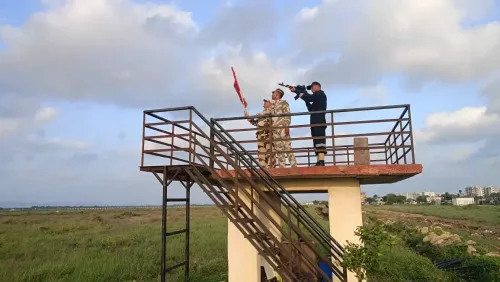
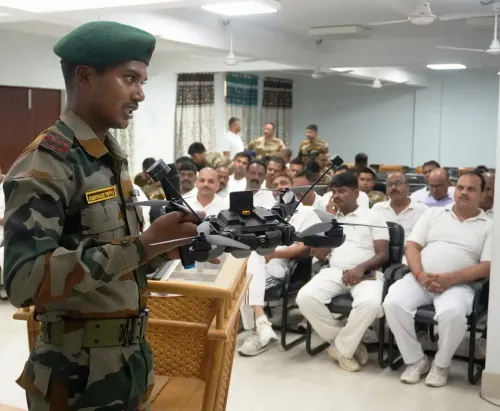
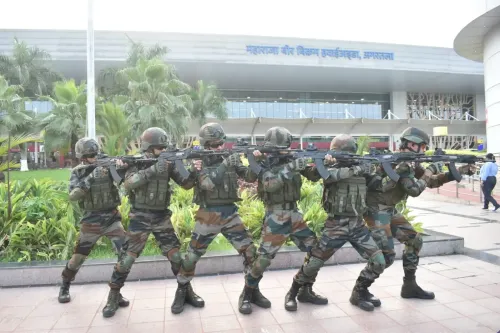
Training modules include Counter-Drone Operations , Quick Reaction Team (QRT) drills, and Critical Infrastructure Security .
The programme operates under the Military-Civil Fusion framework to enhance inter-agency operational coordination.
MBB Airport in Agartala is the second busiest airport in the Northeast, after LGBIA Guwahati .
The CISF is responsible for securing most airports across the Northeastern region .
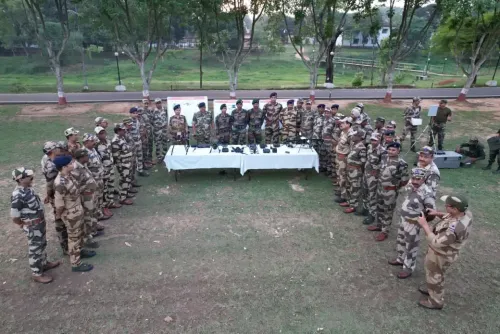
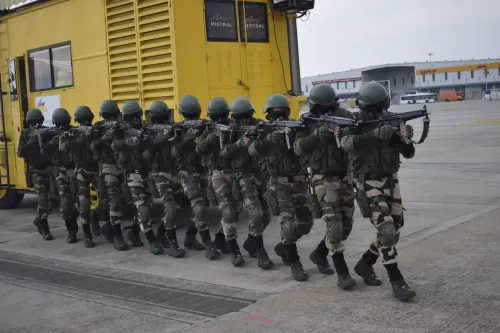
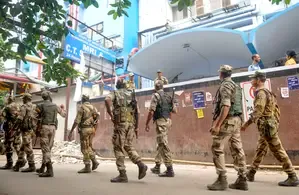
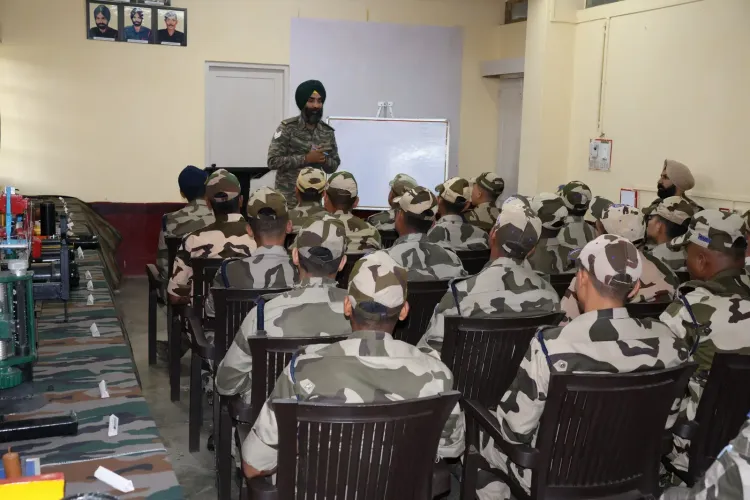
The Indian Army's Spear Corps has launched a comprehensive two-week specialised training programme for Central Industrial Security Force (CISF) personnel deployed at Maharaja Bir Bikram (MBB) Airport in Agartala, in a coordinated push to fortify security at one of the Northeast's busiest aviation hubs. The programme commenced on Monday at the Agartala Military Station.
What the Training Covers
Over 14 days, experienced Indian Army instructors will deliver advanced, specialised modules to CISF personnel. The curriculum spans Industrial and Critical Infrastructure Security, Vital Area and Vital Point Security, Quick Reaction Team (QRT) drills, and Counter-Drone Operations and Threat Mitigation, alongside other contemporary practices relevant to safeguarding sensitive installations.
The initiative is structured under the broader Military-Civil Fusion framework, aimed at enhancing operational coordination, upgrading tactical preparedness, and addressing emerging and evolving security threats to the state's key aviation infrastructure.
Why This Collaboration Matters
'Modern security challenges demand a seamless and integrated response from all security agencies. By combining the tactical combat expertise of the Indian Army with the specialised aviation security mandate of the CISF, this collaborative initiative will significantly strengthen the overall defence and security preparedness of Agartala's premier airport against emerging threats,' a representative associated with the training programme said.
The joint effort seeks to merge the Indian Army's operational and combat expertise with the CISF's established role in aviation and critical infrastructure security — creating a layered, more resilient security architecture at MBB Airport. Notably, this reflects a wider national trend of deepening inter-agency coordination at sensitive civilian infrastructure sites.
Strategic Significance of MBB Airport
The MBB Airport is Tripura's primary air gateway and the second busiest airport in the Northeastern region, after Lokpriya Gopinath Bordoloi International Airport (LGBIA) in Guwahati. The CISF is responsible for securing the majority of airports across the Northeast, making the capability upgrade of its personnel at this hub particularly consequential for regional aviation security.
Broader Implications for Inter-Agency Cooperation
Officials noted that the programme reflects the Indian Army's sustained commitment to capacity building and operational synergy with the Central Armed Police Forces (CAPFs). Such collaborative initiatives are designed to ensure that frontline security personnel are equipped with the latest operational skills and can respond effectively to a wide spectrum of conventional and emerging threats.
On completion of the training, participating CISF personnel will return to their operational duties at MBB Airport with enhanced tactical capabilities, improved response mechanisms, and modern threat-mitigation skills — further reinforcing the security posture of a critical Northeast aviation node.
Point of View
A region that carries both strategic and geopolitical weight given its proximity to international borders. The inclusion of counter-drone modules is telling: drone-based threats at airports have moved from hypothetical to operationally acknowledged. What the programme does not yet answer is whether this two-week collaboration will translate into a permanent, institutionalised coordination mechanism, or remain a one-off capacity push. The real test will be in the response protocols that CISF personnel carry back to the terminal floor.
NationPress
26 Oct 2026
Frequently Asked Questions
What is the joint training programme launched at Agartala Airport?
It is a 14-day specialised security training programme launched by the Indian Army's Spear Corps for CISF personnel deployed at Maharaja Bir Bikram (MBB) Airport in Agartala. The programme began on Monday at the Agartala Military Station and covers counter-drone operations, QRT drills, and critical infrastructure security, among other modules.
Why is the Indian Army training CISF personnel at Agartala Airport?
The training aims to enhance operational coordination and tactical preparedness at MBB Airport, one of the Northeast's most strategically important aviation hubs, under the Military-Civil Fusion framework. It is designed to address emerging and evolving security threats to critical civilian infrastructure.
What topics are covered in the 14-day training?
The curriculum includes Industrial and Critical Infrastructure Security, Vital Area and Vital Point Security, Quick Reaction Team (QRT) drills, Counter-Drone Operations and Threat Mitigation, and other contemporary security practices relevant to sensitive installations.
How significant is MBB Airport in the Northeast?
MBB Airport is Tripura's primary air gateway and the second busiest airport in the Northeastern region, after Lokpriya Gopinath Bordoloi International Airport (LGBIA) in Guwahati. The CISF is responsible for securing most airports across the Northeast.
What happens after the training programme concludes?
On completion, participating CISF personnel will resume operational duties at MBB Airport with enhanced tactical capabilities, improved response mechanisms, and modern threat-mitigation skills, strengthening the airport's overall security architecture.