Army Hosts Mega Medical Camp at Kishtwar ALG for 3,000+ Daily
Synopsis
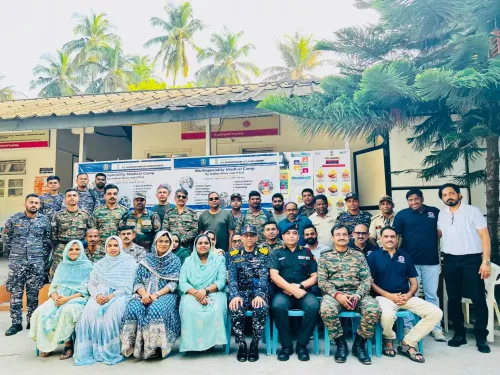
The Indian Army is running a 2-day Mega Medical Speciality Camp at the Advanced Landing Ground in Kishtwar, J&K, expected to serve over 3,000 residents daily. Union Minister Dr. Jitendra Singh praised the initiative as a vital bridge between military goodwill and healthcare access in one of India's most geographically isolated districts.
Key Takeaways
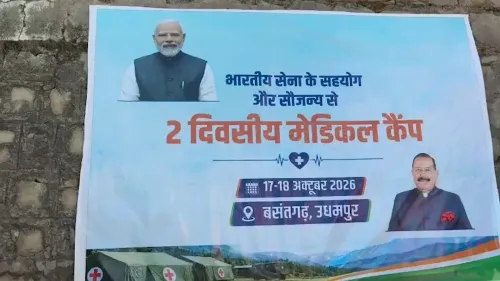
The Indian Army is hosting a 2-day Mega Medical Speciality Camp at the Advanced Landing Ground (ALG), Kishtwar , Jammu and Kashmir.
Over 3,000 residents per day , including people from remote villages, are expected to benefit from specialist consultations and health check-ups.
Jitendra Singh acknowledged the camp on November 1, 2026 , highlighting Kishtwar's challenging terrain and limited specialist healthcare access.
The camp aligns with the Army's long-standing Operation Sadbhavana framework of civil-military outreach in remote J&K districts, active since the 1990s .
Beyond immediate treatment, the camp is expected to help identify common regional health concerns and build awareness around timely diagnosis.
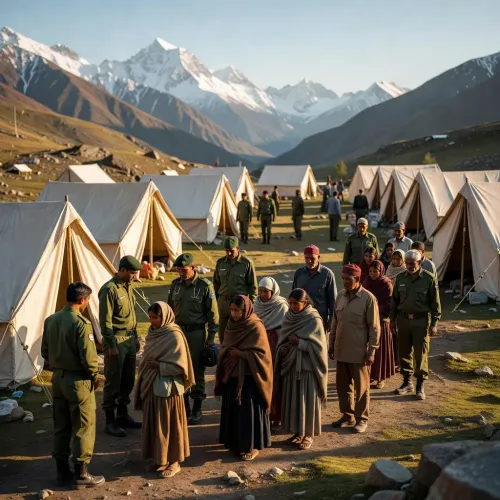
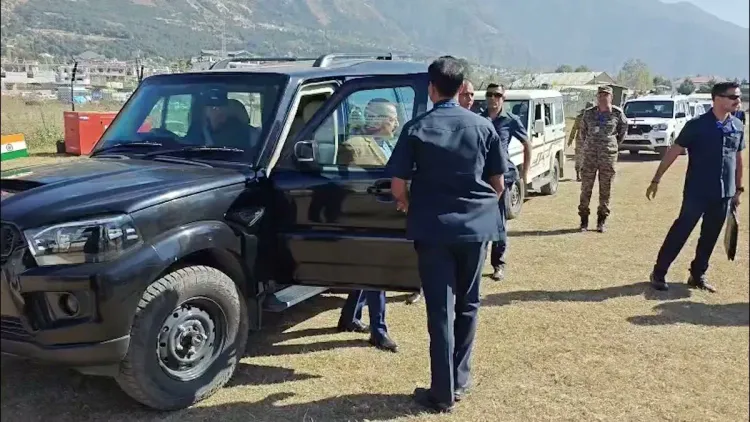
Deep in the rugged highlands of Jammu and Kashmir, where mountain roads can vanish for months and the nearest specialist is often hours away, the Indian Army has set up a 2-Day Mega Medical Speciality Camp at the Advanced Landing Ground (ALG), Kishtwar — bringing doctors directly to doorsteps that most health systems cannot reach. Union Science and Technology Minister Dr. Jitendra Singh acknowledged the initiative on Sunday, November 1, 2026, noting that more than 3,000 residents per day — including people from the remotest villages of the district — are expected to receive consultations and treatment from medical specialists.
Why Kishtwar and Why an Airstrip
Kishtwar district sits in some of J&K's most geographically challenging terrain — high-altitude ridgelines, limited road connectivity, and scattered hamlets that can stay cut off during harsh weather. For residents of these far-flung areas, access to a cardiologist, ophthalmologist, or gynaecologist under normal circumstances is not a weekend trip — it can be a logistical ordeal. Using the Advanced Landing Ground as the camp venue is itself a statement: the military's forward infrastructure, built for operational necessity, doubling as a healthcare hub.
Dr. Jitendra Singh's post underscored the dual value of such camps — not only providing immediate consultations and check-ups but also helping healthcare providers 'identify common health concerns in the region and create arrangements as well as awareness about timely diagnosis and treatment.'
Operation Sadbhavana's Long Shadow
This camp does not emerge from a vacuum. The Indian Army's Operation Sadbhavana, launched in the 1990s, has for decades included medical outreach, infrastructure support, and educational initiatives across remote J&K districts — a deliberate civil-military bridge built alongside the Army's security mandate. Periodic medical camps at forward locations are a core expression of that doctrine, concentrating specialist care in geographically isolated pockets where the civilian health system's reach remains thin.
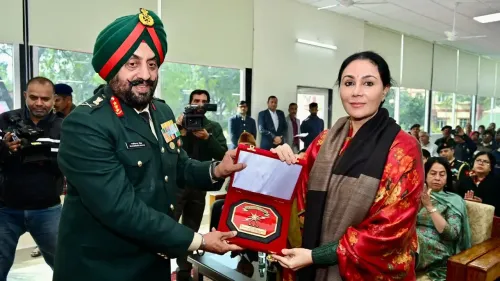
The Kishtwar camp fits squarely within this pattern — and, as Dr. Singh noted, reinforces the Army's 'bond of trust and goodwill with the people of Jammu and Kashmir.'
3,000 Consultations a Day — and What Comes Next
The scale is significant. An expected footfall of over 3,000 residents per day across two days means potential coverage of more than 6,000 people in a district where specialist healthcare is scarce. The camp covers medical consultations, health check-ups, and access to essential healthcare services — a broad sweep that signals an effort to go beyond a single speciality.
The larger question the camp raises is one of coordination: whether insights gathered by Army medical teams about prevalent health conditions in Kishtwar will feed into the Union Territory's health administration or national platforms such as Ayushman Bharat, potentially turning a two-day intervention into a longer-term data point for policy.
When an airstrip becomes a clinic, that is not a workaround — it is a model worth watching.
Point of View
Given his PMO portfolio, signals the Centre's interest in visibility around Army-led welfare work in the region. The camp also spotlights a structural gap: that specialist healthcare in remote J&K still depends heavily on military logistics rather than civilian infrastructure. The real policy test will be whether Army medical intelligence from camps like this is systematically fed into Union Territory health planning.
NationPress
1 Nov 2026
Frequently Asked Questions
What is the Indian Army's medical camp at Kishtwar about?
The Indian Army has organised a 2-day Mega Medical Speciality Camp at the Advanced Landing Ground in Kishtwar, Jammu and Kashmir, offering specialist consultations, health check-ups, and essential healthcare services to local residents, with over 3,000 people expected daily.
Where is Kishtwar and why is healthcare access difficult there?
Kishtwar is a district in Jammu and Kashmir characterised by high-altitude, rugged terrain and limited road connectivity. Many of its villages are remote and far-flung, making regular access to specialist medical facilities a significant challenge for residents.
What is Operation Sadbhavana?
Operation Sadbhavana is an Indian Army initiative launched in the 1990s to build civil-military goodwill in Jammu and Kashmir and other sensitive regions through community welfare activities including medical camps, education support, and infrastructure assistance.
How many people will benefit from the Kishtwar Army medical camp?
More than 3,000 residents per day are expected to benefit, including people from the remotest villages in the district, across the two-day camp.
Why did Dr. Jitendra Singh comment on the Kishtwar Army medical camp?
As a Union Minister with portfolios including responsibilities under the PMO, Dr. Jitendra Singh represents the Udhampur constituency in Jammu and Kashmir and regularly engages with welfare and development initiatives in the region, making the Kishtwar camp a relevant public acknowledgement.