Assam-Arunachal border: 123 village disputes largely resolved, says CM Khandu
Synopsis
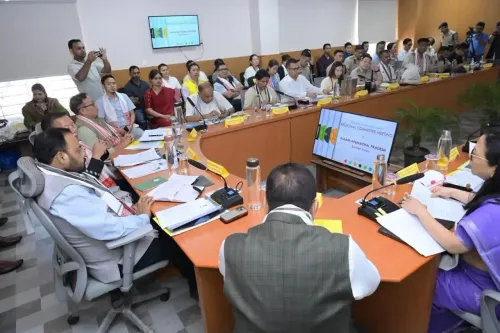
Chief Minister Pema Khandu has declared that disputes over 123 villages on the 804-km Assam-Arunachal Pradesh border are largely resolved — including 31 of 32 contested areas in Papum Pare district. It is one of the most tangible advances in a boundary standoff that has simmered for decades, and arrives as Arunachal approaches its 40th statehood anniversary.
Key Takeaways
Arunachal Pradesh CM Pema Khandu announced on 14 October that boundary disputes over 123 villages along the Assam-Arunachal Pradesh border are largely resolved.
31 of 32 disputed areas in Papum Pare district have been settled following joint field visits by regional committees.
The two states share an inter-state boundary of over 804 km ; the Chakma question is also reportedly progressing.
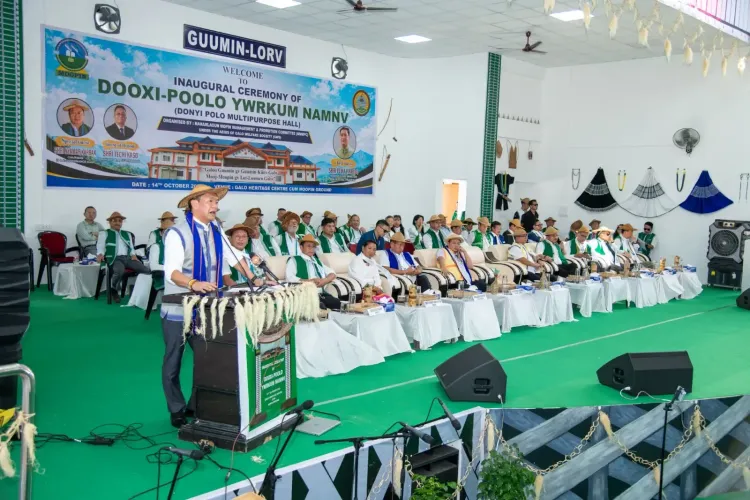
Khandu inaugurated the Donyi Polo Multipurpose Hall at the Galo Heritage Centre, Tarajuli , near Naharlagun.
More than 1.5 lakh women are organised in over 16,000 self-help groups ; nearly 46% of state startups are women-led.
Arunachal Pradesh completes 40 years of statehood on 20 February 2027 .
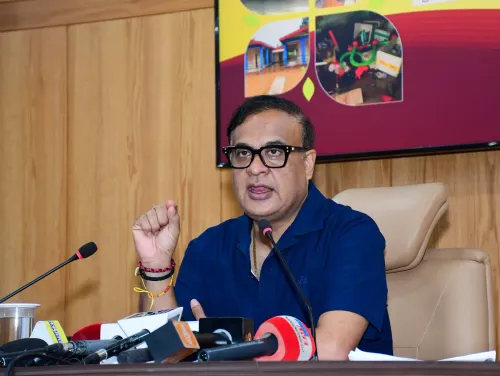
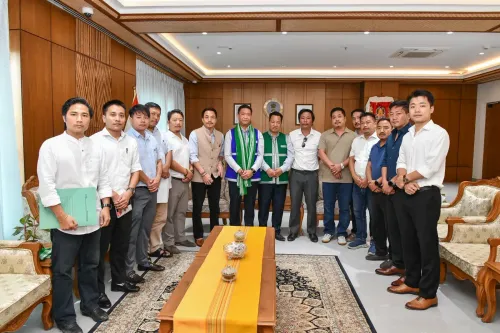
Arunachal Pradesh Chief Minister Pema Khandu on Wednesday, 14 October announced that inter-state boundary disputes involving 123 villages along the Assam-Arunachal Pradesh border had been largely resolved, crediting the progress to the leadership of Prime Minister Narendra Modi. The development marks a significant milestone in one of India's longest-running inter-state territorial disputes.
Key Developments on Border Resolution
Khandu specifically noted that 31 of the 32 disputed areas in Papum Pare district had been settled following recent joint field visits by regional committees. The Assam-Arunachal Pradesh inter-state boundary stretches over 804 km, and the two states have been engaged for years in structured efforts to resolve long-pending territorial disagreements. The Chief Minister added that work on other outstanding matters, including the Chakma question, was also progressing, with public announcements to follow at an appropriate time.
Donyi Polo Multipurpose Hall Inaugurated
On the same day, Khandu inaugurated the Donyi Polo Multipurpose Hall at the Galo Heritage Centre in Tarajuli, near Naharlagun, describing the facility as a landmark of community participation and cultural resolve. He noted that the Mopin ground at Naharlagun, in continuous use since 1976, had been voluntarily handed over by the Galo community to make way for the state's first medical college — the Tomo Riba Institute of Health and Medical Sciences (TRIHMS).
Skill Development and Work Culture
Urging society to place equal dignity on all forms of labour, Khandu called for local youth to be trained in construction, electrical, and plumbing trades to reduce the state's dependence on outside skilled workers. He cited the example of a batch of 50 youths trained at the National Skill Centre in Hyderabad, who subsequently executed a project in Pasighat for ₹10 lakh against an outside quotation of ₹18 lakh — a saving that illustrated the concrete value of local skilling.
Identity, Culture, and the Road to 2047
Warning that Arunachal Pradesh's tribal populations are small in the national context, Khandu said identity is at risk if language and tradition are not actively preserved. He urged communities to take ownership of their heritage rather than rely solely on government policy. Touching on technology, he encouraged residents to treat artificial intelligence and machine learning as tools rather than masters, and to prepare for AI's impact on jobs without surrendering age-old culture.
Highlighting a decade of governance milestones, the Chief Minister noted that more than 1.5 lakh women are organised across more than 16,000 self-help groups, and that nearly 46% of startups in the state are women-led. He also referenced 20 GI-tagged Arunachal products, support for indigenous Gurukul schools, and high-powered committees addressing Scheduled Tribe safeguards, the Inner Line Permit framework, and illegal infiltration.
With Arunachal Pradesh set to complete 40 years of statehood on 20 February 2027, Khandu invited every community to reflect on the journey to 2047, urging young people to remain proud of their roots while staying confident in a rapidly changing world.
Point of View
And the Chakma question, conspicuously unresolved, remains one of the Northeast's most sensitive demographic fault lines. The Assam-Arunachal border dispute has outlasted multiple governments and multiple frameworks; the current joint-committee model appears more structured than past attempts, but community-level acceptance matters as much as administrative sign-off. Khandu's framing of the progress under Modi's leadership also signals that border resolution is being positioned as a political dividend ahead of a state milestone year.
NationPress
15 Oct 2026
Frequently Asked Questions
What is the Assam-Arunachal Pradesh border dispute?
The Assam-Arunachal Pradesh border dispute is a long-standing inter-state territorial disagreement over villages and land along a boundary stretching more than 804 km. The dispute dates back decades, with both states contesting jurisdiction over numerous villages and forest areas along their shared frontier.
How many border village disputes have been resolved?
According to Chief Minister Pema Khandu, disputes involving 123 villages have been largely resolved. Specifically, 31 of the 32 disputed areas in Papum Pare district were settled following joint field visits by regional committees.
What is the Chakma question mentioned by CM Khandu?
The Chakma question refers to the long-pending issue of Chakma settlers in Arunachal Pradesh — a sensitive matter involving citizenship, tribal land rights, and demographic concerns. Khandu said efforts to address this issue are progressing, with details to be shared at an appropriate time.
What is the significance of the Donyi Polo Multipurpose Hall inauguration?
The Donyi Polo Multipurpose Hall at the Galo Heritage Centre in Tarajuli was built after the Galo community voluntarily surrendered the Mopin ground — in use since 1976 — to make way for TRIHMS, Arunachal Pradesh's first medical college. CM Khandu described it as a symbol of community participation and cultural resolve.
When does Arunachal Pradesh complete 40 years of statehood?
Arunachal Pradesh will complete 40 years of statehood on 20 February 2027. CM Khandu has invited communities across the state to reflect on the journey to 2047 as part of statehood anniversary preparations.