Assam-Arunachal border talks: 33 villages to get demarcation roadmap
Synopsis
Assam and Arunachal Pradesh have moved from dialogue to action on their long-running border dispute — agreeing to install boundary pillars immediately in 9 villages, engage the Survey of India within 2 months, and draw up a roadmap for 2 complex cases. It is the most concrete progress since the Namsai Declaration of 2022 reduced disputed villages from 123 to 86.
Key Takeaways
Assam and Arunachal Pradesh agreed on 14 October 2026 to fast-track demarcation of 33 disputed border villages .
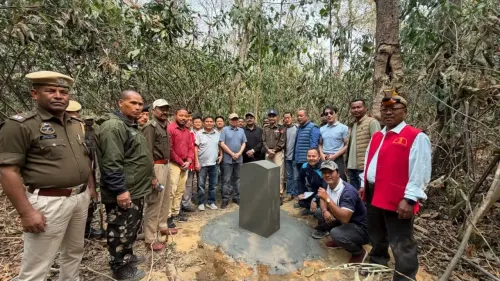
9 Category-I villages will have boundary pillars installed immediately; 22 Category-II villages will be handled by district administrations.
Both states will engage the Survey of India for formal demarcation within two months .
The dispute dates to 1951 and the transfer of over 3,600 sq km from the North-East Frontier Agency to Assam.
The process follows the Namsai Declaration of 15 July 2022 , which cut disputed villages from 123 to 86 .
The next regional committee meeting is set for late December 2026 .
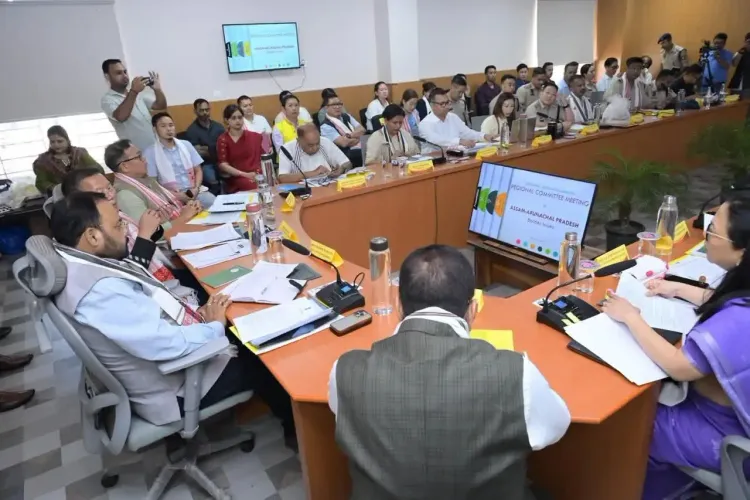
Assam and Arunachal Pradesh have agreed to fast-track boundary demarcation and chart a resolution roadmap for 33 disputed villages along their inter-state border, following the second regional committee meeting covering Papum Pare district in Arunachal and Biswanath and Lakhimpur districts in Assam, officials said on Wednesday, 14 October 2026. The meeting marks a concrete step forward in a boundary dispute that has simmered since 1951.
Key Decisions from the Meeting
The regional committee meeting was co-led by Arunachal Pradesh Urban Affairs Minister Balo Raja and Assam Revenue Minister Keshab Mahanta, who headed their respective state delegations. Also present were Doimukh MLA Nabam Vivek, Arunachal's Papum Pare Deputy Commissioner Mamu Hage, Assam Education Minister Ranoj Pegu, and Member of Parliament Ranjit Dutta.
The meeting reviewed progress since the previous sitting held on 9 January 2023, including joint field inspections conducted to identify disputed zones and facilitate a mutually acceptable settlement.
Three-Category Framework for Resolution
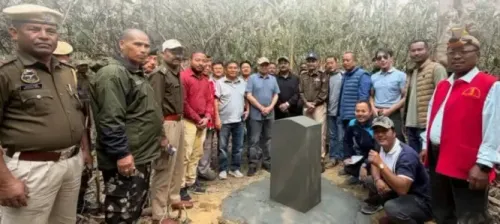
Officials confirmed that the 33 disputed villages have been classified into three categories to streamline the resolution process. Nine villages fall under Category-I, where disputes are considered resolvable, and both committees agreed to install boundary pillars in these villages immediately. 22 villages with relatively minor, localised disputes fall under Category-II, with resolution to be handled by the respective district administrations. The remaining two villages fall under Category-III, where consensus remains elusive; for these, a dedicated roadmap will be prepared after consultations with local legislators, district officials, and residents.
Survey of India to Initiate Formal Demarcation
Both states decided to engage the Survey of India to initiate formal boundary demarcation within two months. The committees also agreed to maintain the status quo according to mutually accepted cut-off dates, prevent fresh encroachments and tree felling in disputed areas, and initiate procedures to withdraw FIRs registered against officials of either state. The next regional committee meeting is scheduled for late December 2026.
Historical Background
The Assam-Arunachal Pradesh boundary dispute traces its origins to 1951, when areas covering more than 3,600 square kilometres were transferred from the North-East Frontier Agency to Assam following recommendations of the Gopinath Bordoloi committee. Arunachal Pradesh subsequently challenged the arrangement, setting off decades of unresolved tension. The current structured resolution process follows the Namsai Declaration signed by the two states' chief ministers on 15 July 2022, which reduced the total number of disputed villages from 123 to 86 and established 12 regional committees to pursue a negotiated settlement. This is the second such regional committee meeting and reflects incremental but tangible diplomatic progress between the two neighbours.
Point of View
Not resolved. Placing 9 Category-I villages in the 'immediate' column is meaningful, but the two Category-III villages with no consensus will test political will far more than logistical readiness. The wider pattern in Northeast border diplomacy is one of declarations that outpace implementation; the Namsai Declaration itself took over three years to yield a second committee sitting. Engaging the Survey of India is the right structural move, but the two-month timeline for formal demarcation is ambitious given the region's terrain and the sensitivity of land rights. The real measure will be whether the December meeting produces boundary pillars on the ground, not just another meeting date.
NationPress
14 Oct 2026
Frequently Asked Questions
What did Assam and Arunachal Pradesh agree on regarding their border dispute?
The two states agreed to fast-track boundary demarcation in 33 disputed villages along their inter-state border, install boundary pillars immediately in 9 Category-I villages, and engage the Survey of India for formal demarcation within two months. They also agreed to maintain the status quo and prevent fresh encroachments in disputed areas.
How are the 33 disputed villages categorised?
The villages are divided into three categories: 9 under Category-I where disputes are resolvable and boundary pillars will be installed immediately; 22 under Category-II with minor localised disputes to be resolved by district administrations; and 2 under Category-III where consensus remains elusive and a consultative roadmap will be prepared.
What is the historical background of the Assam-Arunachal Pradesh border dispute?
The dispute dates to 1951, when areas covering more than 3,600 square kilometres were transferred from the North-East Frontier Agency to Assam on the recommendation of the Gopinath Bordoloi committee. Arunachal Pradesh subsequently challenged the arrangement, leading to decades of unresolved boundary tensions.
What is the Namsai Declaration and why does it matter?
The Namsai Declaration was signed by the chief ministers of Assam and Arunachal Pradesh on 15 July 2022. It reduced the number of disputed villages from 123 to 86 and set up 12 regional committees to pursue a negotiated settlement, forming the framework for the current resolution process.
When is the next regional committee meeting scheduled?
The next regional committee meeting is scheduled for late December 2026. It is expected to review progress on boundary pillar installation in Category-I villages and the Survey of India's demarcation work.