India slams OHCHR's 'extreme selectivity' over New Delhi protest detentions
Synopsis
India’s MEA didn’t just reject the OHCHR’s concerns over New Delhi protest detentions — it turned the tables, accusing the UN body of ‘extreme selectivity’ and warning that such double standards erode faith in multilateralism itself. It is the second pushback in days, signalling a deliberate, escalating diplomatic posture.
Key Takeaways
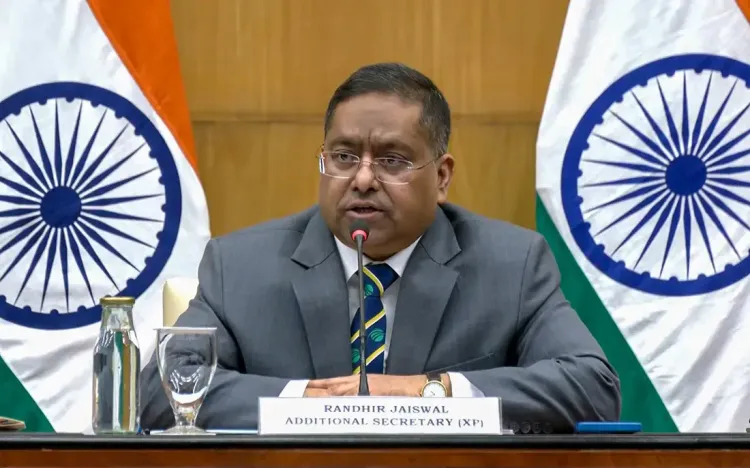
MEA spokesperson Randhir Jaiswal on 14 October called OHCHR concerns over New Delhi protest detentions “unwarranted and unacceptable.” India accused the OHCHR of ‘extreme selectivity’ , noting it had not commented on protests or law enforcement actions in other parts of the world.
The MEA warned that continued double standards will erode faith in multilateralism and undermine the OHCHR’s credibility.
India first rejected the OHCHR’s remarks on Sunday , calling them ‘misplaced’ — Wednesday’s rebuke is the second formal pushback in days.
The MEA reiterated that India’s Constitution guarantees peaceful assembly, and courts remain available for any grievance redressal.
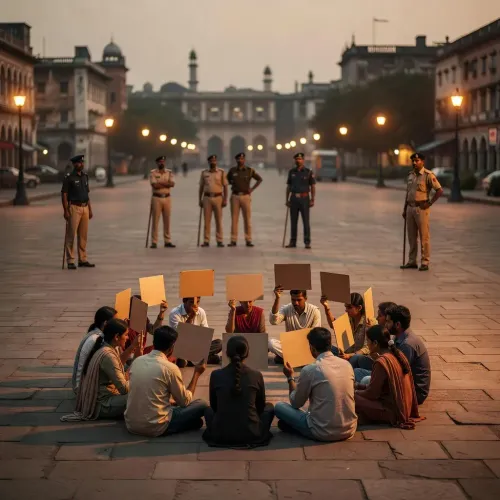
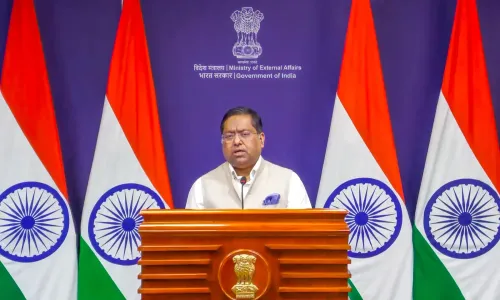
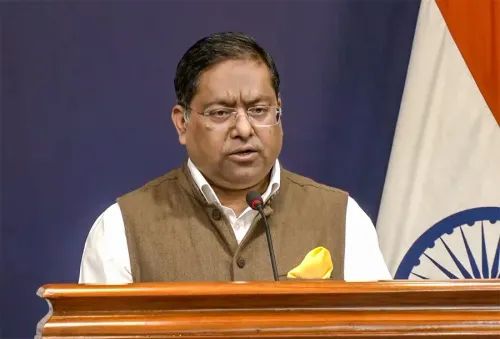
India on Wednesday, 14 October formally rejected the concerns raised by the Office of the United Nations High Commissioner for Human Rights (OHCHR) over detentions during recent protests in New Delhi, calling them “unwarranted and unacceptable” and accusing the UN body of applying double standards in its public positions. The rebuke came from Ministry of External Affairs (MEA) spokesperson Randhir Jaiswal at a bi-weekly media briefing in the capital.
What India Said
“Concerns expressed by OHCHR are unwarranted and at the same time unacceptable because it amounts to interference in India’s internal affairs,” Jaiswal stated. He accused the OHCHR of “extreme selectivity”, pointing out that the body had not publicly commented on comparable protests or law enforcement actions elsewhere in the world. “If they continue on this path, then obviously it will lead to loss of faith in multilateralism. At the same time, it undermines their credibility as an organisation,” he added.
India’s Constitutional Argument
The MEA underlined that India, as the world’s largest democracy, constitutionally guarantees the right to peaceful assembly, with the right exercised subject to public order and safety requirements. “Our law enforcement authorities act strictly in accordance with the law, and our courts remain available to all for the redressal of any grievances,” the MEA said in an earlier statement issued on Sunday, when India first rejected the OHCHR’s remarks as “misplaced”.
Double Standards Charge
The MEA went further on Wednesday, explicitly highlighting what it described as “double standards” in the OHCHR’s public positions. It noted that violent responses to protests in India’s neighbourhood had gone uncommented on, as had law enforcement actions in the UN body’s own vicinity. “Such double standards only erode the credibility of its standing and contribute to the loss of faith in multilateralism,” the MEA added.
Context and Pattern
This is at least the second time within days that India has formally pushed back against the OHCHR on the same issue, signalling a sustained diplomatic posture rather than a one-off response. The episode fits a broader pattern: India has repeatedly challenged what it characterises as selective scrutiny by international human rights bodies, particularly when such interventions coincide with domestic political activity. Notably, the MEA’s framing links selective multilateralism to a systemic erosion of trust in global institutions — a sharper rhetorical escalation than a simple bilateral rebuttal.
What Comes Next
No immediate response from the OHCHR was available at the time of publication. The diplomatic exchange is likely to feature in upcoming multilateral forums where India has been increasingly assertive about the application of universal human rights norms. How the OHCHR responds — or chooses not to — will shape the next phase of this standoff.
Point of View
New Delhi is attempting to shift the burden of proof back onto the UN body — a move that resonates with the Global South’s longstanding grievance about Western-led institutions applying norms unevenly. The charge of ‘extreme selectivity’ has real traction: if the OHCHR cannot demonstrate consistent public engagement with comparable situations elsewhere, its interventions on India will increasingly be read as political rather than principled. The question mainstream coverage sidesteps is whether India’s own transparency on the specifics of the detentions — numbers, duration, charges — is adequate to sustain the constitutional argument it is making.
NationPress
14 Oct 2026
Frequently Asked Questions
Why did India reject the OHCHR’s concerns over New Delhi protests?
India called the OHCHR’s concerns ‘unwarranted and unacceptable’, arguing they amount to interference in the country’s internal affairs. The MEA maintains that India’s law enforcement acts within the law and that courts are available for any grievance redressal.
What did MEA spokesperson Randhir Jaiswal say about the OHCHR?
Jaiswal accused the OHCHR of ‘extreme selectivity’ for commenting on India’s protest detentions while remaining silent on comparable situations elsewhere in the world. He warned that this approach would erode faith in multilateralism and undermine the body’s credibility.
What is the OHCHR’s concern about India?
The OHCHR raised concerns about detentions that occurred during recent protests in New Delhi. India has rejected these as misplaced and an unacceptable interference in its internal affairs, without specifying the exact number of detainees in its public response.
How does this fit India’s broader stance on international human rights scrutiny?
India has a consistent record of rejecting what it characterises as selective scrutiny by international human rights bodies, often citing its constitutional guarantees and independent judiciary as sufficient safeguards. This episode represents a sharper escalation, linking selective multilateralism to a broader erosion of trust in global institutions.
Has the OHCHR responded to India’s latest rejection?
No official OHCHR response was available at the time of publication. The diplomatic exchange is expected to continue in upcoming multilateral forums where India has been increasingly assertive about the consistent application of human rights norms.