India rejects OHCHR remarks on Delhi detentions as unwarranted interference
Synopsis
India's UN Mission in Geneva fired back at the OHCHR within hours of the body flagging mass detentions of protesters, lawyers, and journalists in New Delhi — calling it 'unwarranted interference.' With around 1,000 people detained at a CJP-led protest that authorities had already banned, the episode puts India's domestic law-and-order framework squarely in the international spotlight.
Key Takeaways
India on 11 October rejected OHCHR remarks on New Delhi protest detentions as 'misplaced' and an 'unwarranted interference' in internal affairs.
The rebuttal was issued by the Permanent Mission of India to the UN in Geneva via a post on X .
The OHCHR had expressed concern over reports of mass detentions of demonstrators, protest leaders, civil society members, lawyers, and journalists in Delhi .
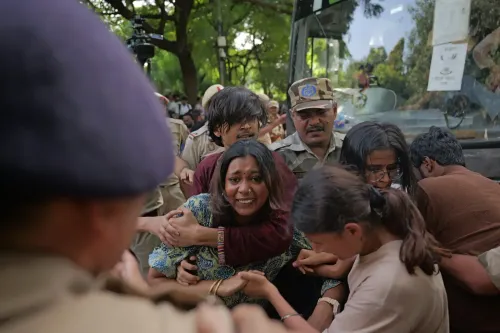
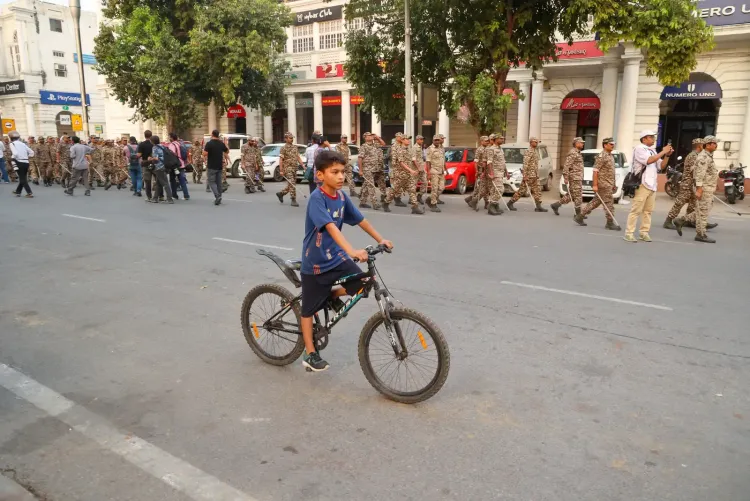
Approximately 1,000 protesters were detained across the national capital, according to police.
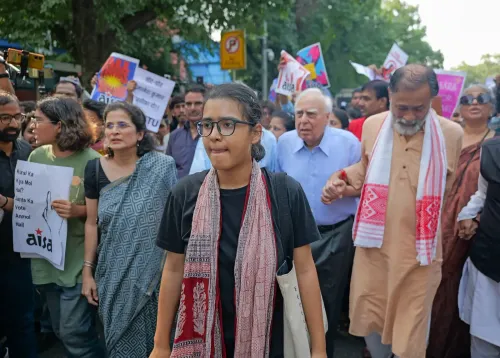
The Cockroach Janta Party (CJP) -led protest against Chief Election Commissioner Gyanesh Kumar had been denied permission by authorities on Friday for non-compliance with legal directions.
India urged the OHCHR to apply 'impartiality and non-selectivity' by giving comparable attention to large-scale protests elsewhere in the world.
India on Saturday, 11 October firmly rejected remarks by the Office of the United Nations High Commissioner for Human Rights (OHCHR) concerning mass detentions during large-scale protests in New Delhi, calling the UN body's concerns 'misplaced' and an 'unwarranted interference' in the country's internal affairs. The pushback came from the Permanent Mission of India to the UN in Geneva, which issued a pointed rebuttal on X within hours of the OHCHR's statement.
India's Official Response
The Permanent Mission stated: 'We have seen the OHCHR's remarks about today's events in New Delhi. India is the world's largest democracy, where the right to peaceful assembly is guaranteed by our Constitution and safeguarded by robust institutions, an independent judiciary and a free media.'
The mission further noted that, as in every democracy, Indian citizens exercise the right to assembly 'subject to reasonable restrictions in the interest of public order,' and that authorities act in accordance with the law while courts remain available for redressal of grievances. It concluded: 'The OHCHR's concerns are therefore misplaced and constitute an unwarranted interference in the internal affairs of India.'
India also called out what it characterised as selective scrutiny, urging the OHCHR to 'devote comparable attention to large-scale protests elsewhere, consistent with its mandate of impartiality and non-selectivity.'
What the OHCHR Said
Earlier on Saturday, the UN Human Rights Office posted on X: 'India: We are concerned by reports of mass detentions of demonstrators, protest leaders, members of civil society organisations, lawyers and journalists, before and during today's large-scale demonstrations in Delhi. We call on the authorities to ensure that the right to peaceful assembly is fully respected and fulfilled.'
The statement drew immediate attention given the scale of the day's events in the national capital.
Detentions on the Ground
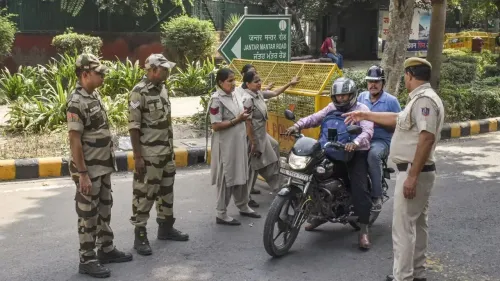
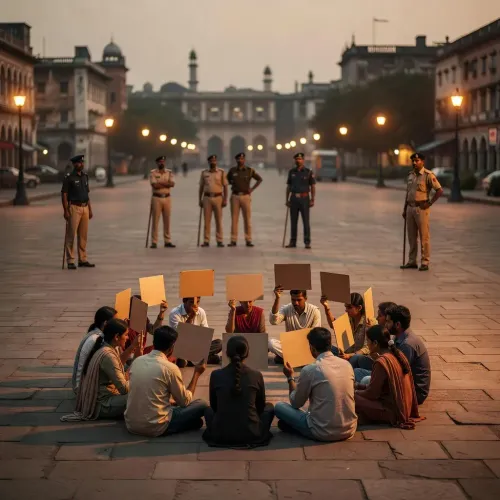
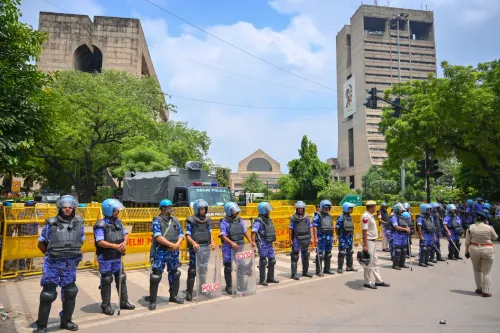
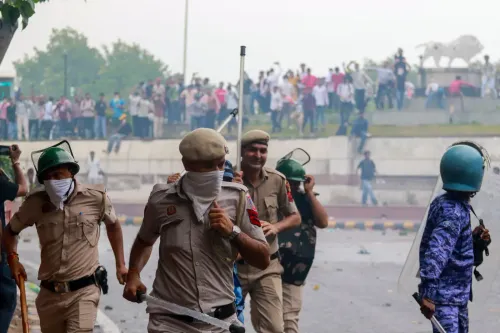
According to police, approximately 1,000 protesters were detained across New Delhi on Saturday while en route to participate in a demonstration led by the Cockroach Janta Party (CJP) against Chief Election Commissioner (CEC) Gyanesh Kumar. The protest had been denied permission by authorities, who said on Friday that the organisers had failed to comply with legal directions and their own undertakings made during an earlier protest.
Background and Broader Context
This is not the first time India has clashed with UN human rights bodies over the framing of domestic law-and-order situations. New Delhi has consistently maintained that such interventions overstep the principle of non-interference in sovereign matters. Notably, India's position — that its constitutional framework, independent judiciary, and free press provide sufficient domestic safeguards — mirrors its standard response to external commentary on internal security matters.
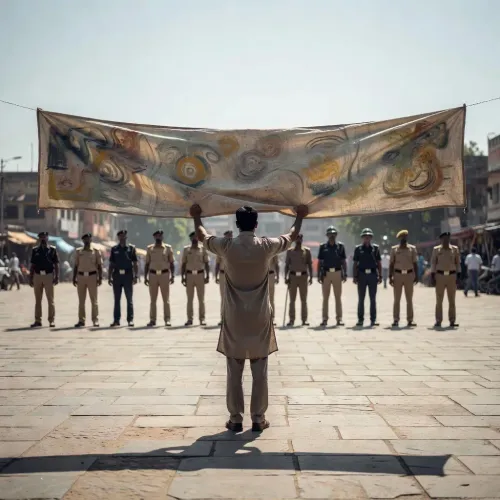
The OHCHR's statement, covering not just protesters but also lawyers and journalists reportedly detained, raises questions about the scope of pre-emptive detentions. Critics argue that denying protest permission ahead of a planned demonstration, rather than managing it in real time, sets a concerning precedent — though authorities maintain all actions were lawful.
What Happens Next
With both the OHCHR and India's UN Mission having staked out firm public positions, diplomatic engagement at Geneva is likely to continue. The detainees' legal recourse through Indian courts — as the Mission itself highlighted — will be closely watched by civil society groups. How the CJP-led movement responds to the denial of permission and the day's detentions may shape the next phase of the agitation against CEC Gyanesh Kumar.
Point of View
Cite judicial independence, and turn the spotlight back on the UN body's alleged selectivity. What that template does not address is the specific concern: pre-emptive, large-scale detentions before a protest begins, rather than during disorder. The OHCHR's inclusion of lawyers and journalists in its statement signals concern beyond crowd management. India's courts may ultimately be the arena where this plays out, but the international optics of detaining roughly 1,000 people ahead of a permitted-or-not demonstration will not be easily neutralised by a Geneva press statement.
NationPress
11 Oct 2026
Frequently Asked Questions
Why did India reject the OHCHR's remarks on Delhi protests?
India rejected the OHCHR's remarks, calling them 'misplaced' and an 'unwarranted interference' in its internal affairs. The Permanent Mission of India to the UN in Geneva argued that India's Constitution, independent judiciary, and free media already safeguard the right to peaceful assembly.
What did the OHCHR say about the Delhi protests?
The OHCHR posted on X that it was 'concerned by reports of mass detentions of demonstrators, protest leaders, members of civil society organisations, lawyers and journalists' in Delhi, and called on authorities to fully respect the right to peaceful assembly.
How many people were detained during the Delhi protests?
According to police, approximately 1,000 protesters were detained across New Delhi on Saturday, 11 October, while on their way to participate in the CJP-led demonstration against Chief Election Commissioner Gyanesh Kumar.
Why was the CJP protest denied permission?
Authorities denied permission for the Cockroach Janta Party (CJP) protest on the grounds that organisers had failed to comply with legal directions and their own undertakings given during an earlier protest, police said on Friday.
What did India say about the OHCHR's impartiality?
India urged the OHCHR to 'devote comparable attention to large-scale protests elsewhere, consistent with its mandate of impartiality and non-selectivity,' suggesting the UN body was applying a double standard in its scrutiny of India.