Delhi Police denies NSA powers linked to CJP protest, calls order routine renewal
Synopsis
Delhi Police says its NSA detention powers — active from 19 July to 18 October 2026 — were renewed on 7 July, days before the CJP's 'Sansad Chalo' march, and are a routine three-month administrative exercise. But with 118 police personnel reportedly injured and protesters claiming lathi-charge brutality, the clarification lands in the middle of a charged political standoff over exam paper leaks.
Key Takeaways
Delhi Police on 23 July 2026 denied that NSA powers were granted specifically to counter CJP exam-leak protests.
The LG of Delhi issued the NSA order on 15 July 2026 , effective 19 July to 18 October 2026 , under Section 3(3) of the NSA, 1980 .
Delhi Police says the renewal was issued on 7 July 2026 — before the protests began — and is a standard three-month administrative cycle.
118 police personnel were reportedly injured during the 'Sansad Chalo' march on 20 July 2026 ; the CJP claims protesters were lathi-charged and left bleeding.
Delhi Police accused protesters of stone-pelting and vandalising police vehicles; the CJP disputed this account.
Delhi Police on Thursday, 23 July 2026 dismissed media reports claiming it had been granted fresh powers under the National Security Act (NSA) specifically to detain protesters demonstrating over exam paper leaks in the national capital, clarifying that the order in question is a routine administrative renewal issued every three months.
What the LG Order Actually Says
The Lieutenant Governor (LG) of Delhi had issued an order on 15 July 2026 under Section 3(3) of the National Security Act, 1980, empowering the Delhi Police Commissioner to exercise NSA powers from 19 July 2026 to 18 October 2026. Under Section 3(2) of the same Act, this authorises the Commissioner to issue preventive detention orders against individuals if deemed necessary in the interest of national security or public order.
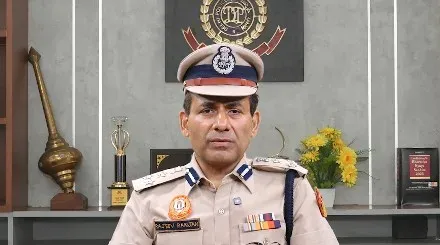
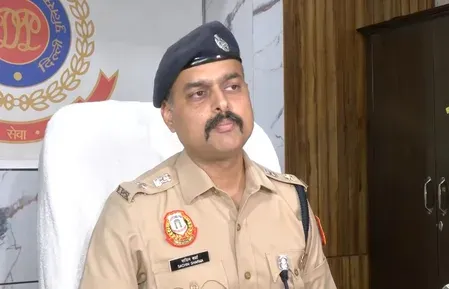
Crucially, Delhi Police stated that this is not a new grant of authority. 'The said order is a routine extension/renewal of powers under the NSA, which is issued every three months. The present renewal was issued on 07.07.2026 for the period 19.07.2026 to 18.10.2026, well before the commencement of the CJP protests,' the official statement read.
Delhi Police Pushes Back on Media Framing
An official statement from Delhi Police noted that several media houses had reported that the Commissioner had been granted NSA detention powers specifically to suppress demonstrations led by the Cockroach Janta Party (CJP). The force categorically denied this characterisation, stating that no specific request was made in the context of the ongoing agitation and that the renewal predates the protests entirely.
Delhi Police reiterated that the order 'has been interpreted out of context by certain media reports' and that the renewal is a standard administrative exercise carried out periodically.
Violence at the 'Sansad Chalo' March
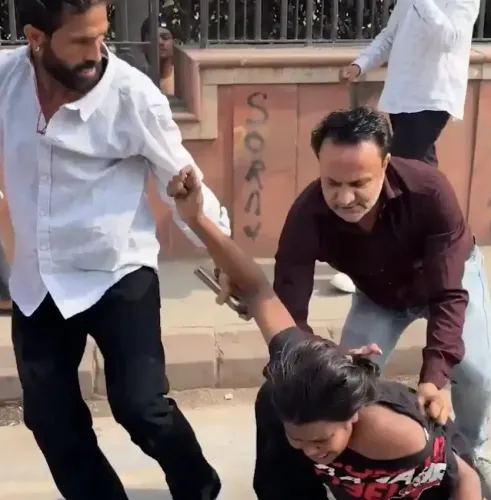
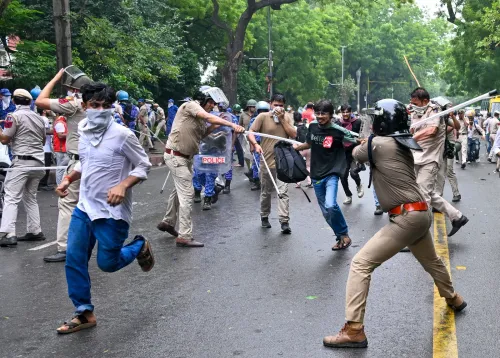
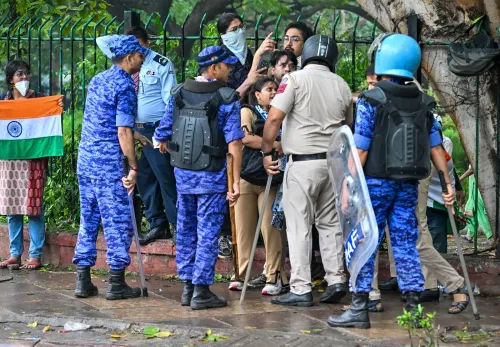
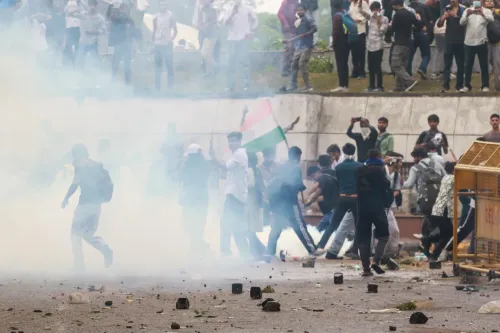
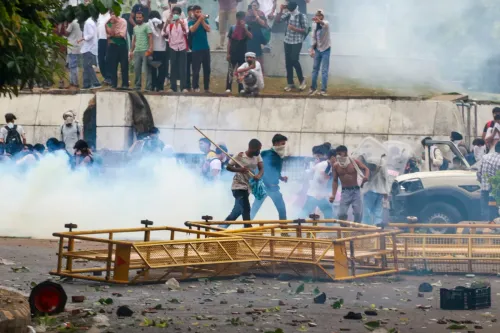
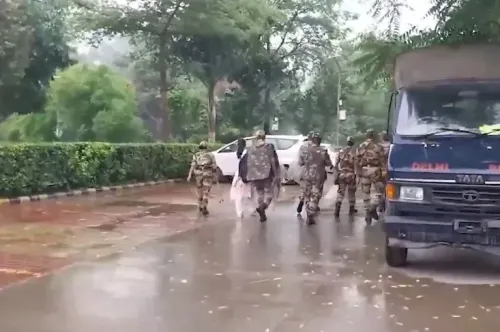
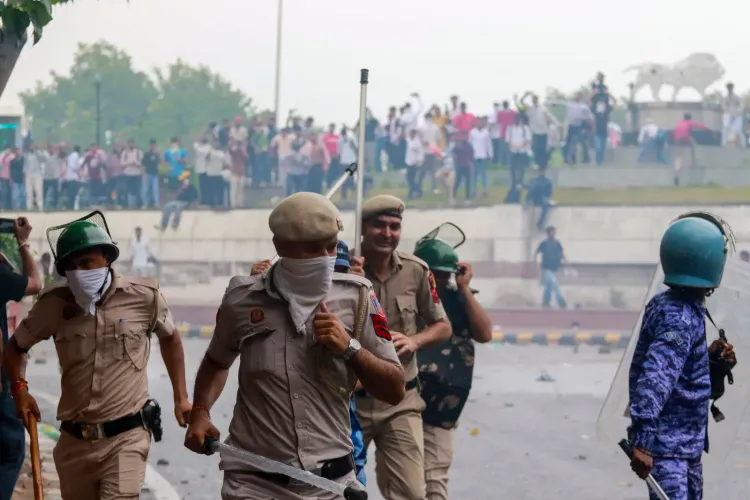
The clarification comes after Delhi Police faced sharp criticism following the 'Sansad Chalo' march on 20 July 2026, during which protesters were lathi-charged and tear-gassed. The CJP claimed that several participants were badly injured and left bleeding as a result of the security forces' action.
Delhi Police, however, presented a contrasting account, accusing protesters of 'unruly, aggressive and violent behaviour.' The force alleged that personnel were attacked with stones by agitators and that police vehicles were vandalised. According to Delhi Police, 118 police personnel were injured during the clashes, including senior officers.
Context and What It Means
The NSA allows for preventive detention of individuals for up to 12 months without trial, making any expansion — real or perceived — of its use a sensitive political and civil liberties issue. The timing of the LG's renewal order, just days before the 20 July march, was enough to fuel speculation, even though officials insist the two events are unconnected.
This is not the first time questions have been raised about the use of preventive detention laws in the context of public protests in India. Critics argue that the broad scope of the NSA makes it susceptible to misuse, regardless of administrative intent. With the CJP protests over exam paper leaks showing no sign of abating, the legal and political debate around these powers is likely to intensify in the days ahead.
Point of View
The competing narratives around the 'Sansad Chalo' violence remain unresolved: 118 injured police personnel versus protesters who claim to have been lathi-charged and tear-gassed without provocation. Neither account has been independently verified. In a climate where preventive detention laws are already under judicial and civil society scrutiny, routine administrative orders do not exist in a vacuum — and Delhi Police's communication strategy has done little to close that credibility gap.
NationPress
21 Oct 2026
Frequently Asked Questions
Why did Delhi Police issue a clarification about NSA powers?
Delhi Police issued the clarification on 23 July 2026 after several media outlets reported that the Commissioner had been granted NSA detention powers specifically to suppress CJP-led protests over exam paper leaks. The force stated the order is a routine three-month renewal that predates the protests entirely.
What does the NSA order actually authorise?
The order, issued by the LG of Delhi on 15 July 2026 under Section 3(3) of the National Security Act, 1980, empowers the Delhi Police Commissioner to issue preventive detention orders under Section 3(2) of the Act from 19 July to 18 October 2026, if required in the interest of national security or public order.
When was the NSA renewal order issued relative to the CJP protests?
According to Delhi Police, the renewal was issued on 7 July 2026 — before the CJP's 'Sansad Chalo' march on 20 July 2026. The force says no specific request was made in connection with the ongoing agitation.
What happened during the 'Sansad Chalo' march on 20 July?
Delhi Police used lathi charges and tear gas during the CJP-led 'Sansad Chalo' march on 20 July 2026. The CJP claimed protesters were badly injured and left bleeding. Delhi Police countered that 118 personnel were injured after agitators pelted stones and vandalised police vehicles.
Who are the CJP and why are they protesting?
The Cockroach Janta Party (CJP) is leading demonstrations in New Delhi over alleged exam paper leaks. Their 'Sansad Chalo' march on 20 July 2026 ended in clashes with security forces, triggering a broader controversy over police conduct and the use of preventive detention laws.