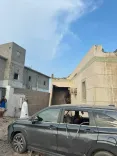
India exposes PoK police brutality, slams Pakistan's 'desperate' cover-up
Synopsis
India's MEA didn't just condemn Pakistan — it named the dead, cited internet shutdowns, and called out a banned civil society group, turning a diplomatic briefing into a detailed human rights indictment. With 12 killed in Rawalakot and protests spreading to Muzaffarabad and Mirpur, the PoK crisis is widening even as Islamabad tries to control the narrative.
Key Takeaways
MEA spokesperson Randhir Jaiswal on 9 June accused Pakistan of spreading fake news to cover up human rights abuses in PoK .
At least 12 people — 8 protesters and 4 security personnel — were killed in clashes in Rawalakot , PoK.
The PoJK government designated the Joint Awami Action Committee (JAAC) a banned organisation under anti-terrorism laws ahead of its planned 9 June protest.
Internet services across PoK were reportedly suspended since the night of 5 June , cutting off communication.
JAAC members Shahzaib Habib and Amjid Kashmiri died during the confrontations, becoming focal points of the protest movement.
Protests have spread to Muzaffarabad , Mirpur , Tata Pani , and Plandari , with shutter-down strikes reported across the region.
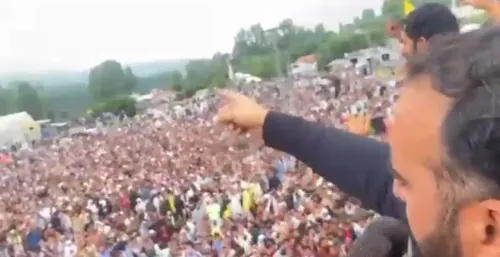
India on Tuesday, 9 June sharply condemned Pakistan for what it called a deliberate campaign of fake news and fabricated videos, accusing Islamabad of attempting to conceal its own human rights abuses amid a violent crackdown on protesters in Pakistan-occupied Kashmir (PoK). The rebuke came from the Ministry of External Affairs (MEA) and follows reports of at least 12 deaths — including eight protesters and four security personnel — in clashes centred on Rawalakot city.
What India Said
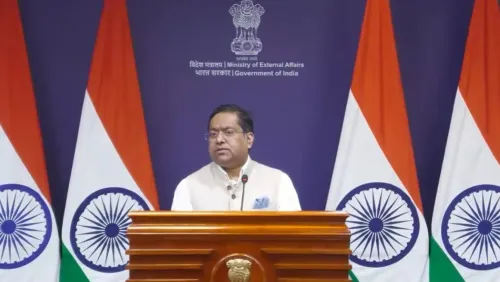
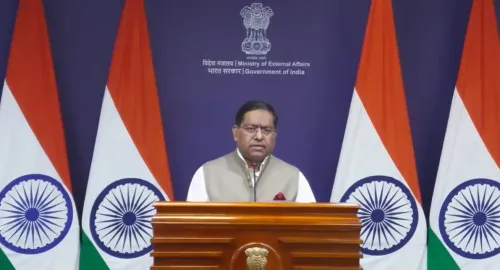
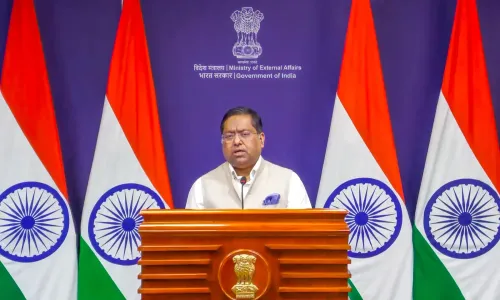
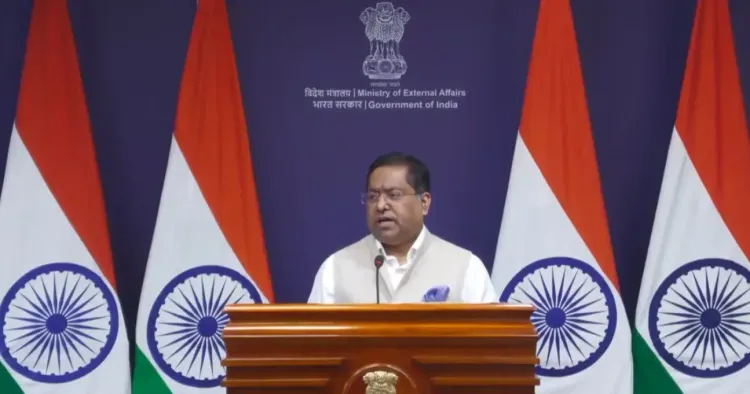
MEA spokesperson Randhir Jaiswal, addressing the weekly media briefing in New Delhi, said India has observed a consistent pattern of disinformation emanating from Pakistan. 'We continue to see in this context, a pattern of fake news and videos emanating from Pakistan. It is a desperate attempt by Pakistan to cover-up its own failings and deflect attention away from its human rights abuses,' Jaiswal said. He added that there are reports of police brutality in which several people have been killed and many more injured, and expressed hope that the international community will hold Pakistan accountable for its 'misdeeds and abuses.'
Ground Situation in PoK
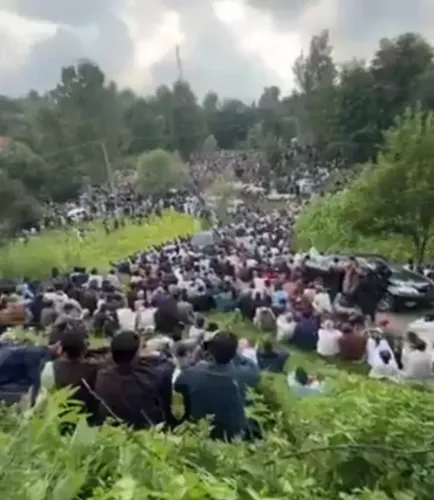
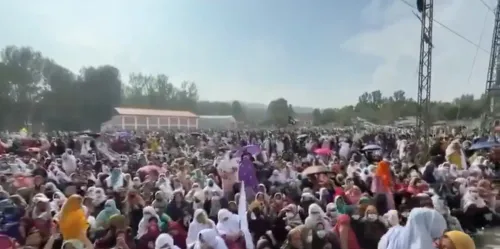
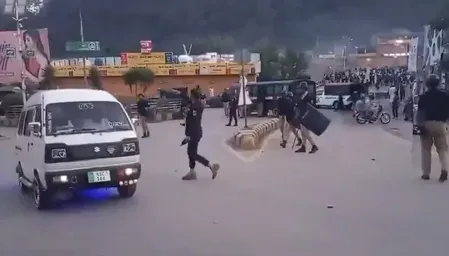
The clashes erupted between members of the Joint Awami Action Committee (JAAC) and law enforcement personnel in Rawalakot, according to local media reports. Local authorities confirmed that several security officials were also injured in the confrontations. Following the violence, strict security arrangements were put in place across Pakistan-occupied Jammu and Kashmir (PoJK), with authorities keeping a close watch on the situation, according to leading Pakistani daily The News International.
JAAC Banned Ahead of Protests
The unrest follows the PoJK government's decision to designate the JAAC as a proscribed organisation under anti-terrorism laws, days before its planned protest on 9 June. The European Times, citing local activists and movement members, reported that tensions sharply escalated after the ban and the rollout of extensive security measures ahead of a planned long march. Protest leaders also alleged that internet services across PoK had been suspended since the night of 5 June, severely disrupting communication throughout the region.
Deaths Fuel Wider Agitation
Public outrage intensified following reports of the deaths of Shahzaib Habib and Amjid Kashmiri, both affiliated with the JAAC, during confrontations linked to the demonstrations. Their deaths have become a rallying point for the movement, with protesters accusing security forces of using excessive force against peaceful demonstrators. Notably, the protest movement has expanded well beyond Rawalakot, with demonstrations and shutter-down strikes reported in Muzaffarabad, Mirpur, Tata Pani, and Plandari. In Plandari, local activists reportedly blocked key access routes as part of the widening agitation.
International Accountability in Focus
India's call for international accountability signals a broader diplomatic pressure strategy. This is not the first time New Delhi has raised the issue of human rights conditions in PoK at official briefings, but the specificity of the current charges — named casualties, internet shutdowns, and a banned civil society group — lends the latest statement added weight. How the international community responds, particularly multilateral human rights bodies, will be closely watched in the days ahead.
Point of View
And it hands India a credible narrative at multilateral forums. What mainstream coverage underplays is that the JAAC is not a fringe group — it has historically drawn mass participation over subsidy and governance grievances, making its proscription politically explosive. The real question is whether international human rights bodies will treat PoK with the same scrutiny they apply elsewhere, or whether geopolitical calculations will once again insulate Islamabad from accountability.
NationPress
23 Oct 2026
Frequently Asked Questions
What is happening in Pakistan-occupied Kashmir (PoK) right now?
Violent clashes have erupted between members of the Joint Awami Action Committee (JAAC) and security forces in Rawalakot, PoK, killing at least 12 people — 8 protesters and 4 security personnel — as of 9 June. Protests have since spread to Muzaffarabad, Mirpur, Tata Pani, and Plandari, with internet services reportedly suspended since 5 June.
Why did India's MEA speak out on the PoK protests?
MEA spokesperson Randhir Jaiswal used the weekly media briefing on 9 June to accuse Pakistan of running a disinformation campaign to conceal police brutality and human rights abuses in PoK. India called on the international community to hold Pakistan accountable for its actions.
What is the JAAC and why was it banned?
The Joint Awami Action Committee (JAAC) is a civil society and protest movement in PoK that has historically mobilised residents over governance and subsidy grievances. The PoJK government designated it a proscribed organisation under anti-terrorism laws days before its planned long march on 9 June, a move that protesters say triggered the escalation.
Who were Shahzaib Habib and Amjid Kashmiri?
Shahzaib Habib and Amjid Kashmiri were both affiliated with the JAAC and reportedly lost their lives during confrontations tied to the ongoing demonstrations in PoK. Their deaths have become a focal point of the protest movement, with demonstrators accusing security forces of using excessive force.
How has Pakistan responded to India's accusations?
According to Indian officials, Pakistan has responded by releasing what New Delhi describes as fake news and fabricated videos. The MEA characterised this as a 'desperate attempt' to deflect international attention from the crackdown, though Pakistan has not publicly acknowledged India's specific charges at this stage.