India condemns PoJK crackdown, urges world to hold Pakistan accountable
Synopsis
India has delivered one of its sharpest public rebukes over PoJK, citing 40-plus civilian deaths and invoking Pakistan's own Defence Minister's words — who called protesters 'enemies like India' — to expose Islamabad's crackdown. The MEA's pointed call for international accountability signals New Delhi is internationalising the PoJK unrest as a human rights and strategic pressure point.
Key Takeaways
MEA spokesperson Randhir Jaiswal on 31 July condemned Pakistan's crackdown on civilians in Pakistan-occupied Jammu and Kashmir (PoJK) .
The crackdown has killed over 40 people and seriously injured many more, according to India's statement.
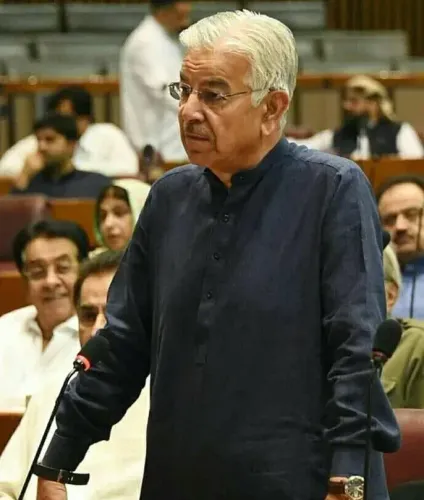
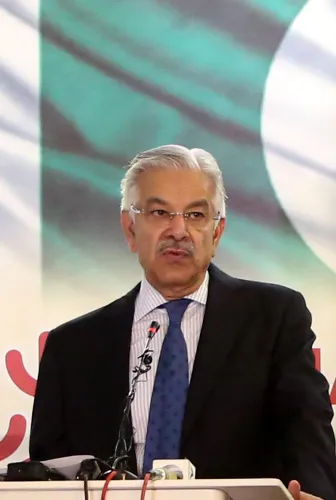
Pakistan Defence Minister Khawaja Asif reportedly called the protesters 'enemies like India,' a remark India cited as evidence of Islamabad's contempt for PoJK civilians.
Rana Sanaullah , Special Assistant to Pakistan's PM, reportedly admitted that militants Pakistan trained and armed have now turned against the Pakistani state.
Local groups allege more than 100 people killed since 5 June , with hundreds subjected to enforced disappearances — figures not independently verified.
India urged the international community to independently investigate the killings and hold Pakistan accountable.
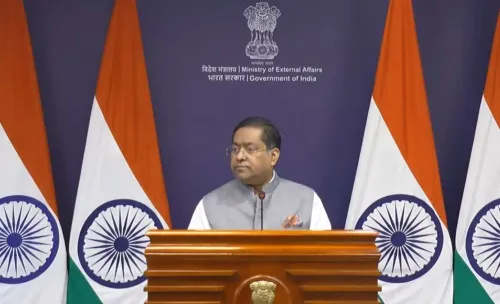
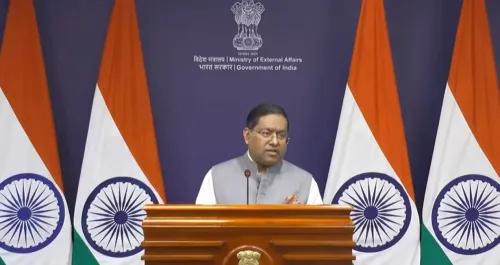
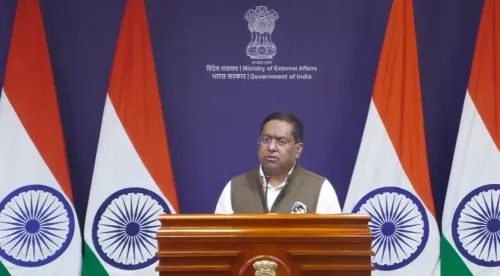
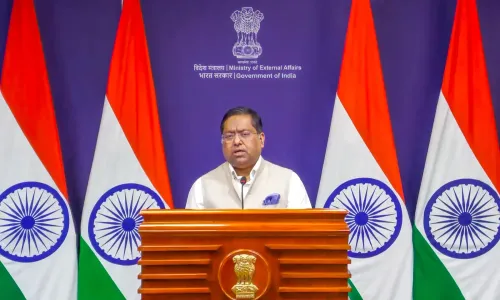
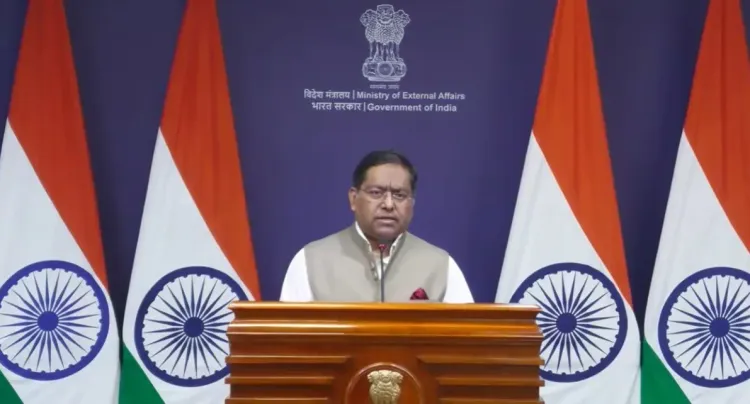
India on Friday, 31 July strongly condemned Pakistan for unleashing a violent crackdown on peaceful civilians in Pakistan-occupied Jammu and Kashmir (PoJK), calling on the international community to scrutinise Islamabad's conduct and hold it accountable for what New Delhi described as ongoing atrocities. The statement came from Ministry of External Affairs (MEA) spokesperson Randhir Jaiswal during a bi-weekly press briefing in New Delhi.
What India Said
Randhir Jaiswal said the Pakistani establishment had been 'unleashing ruthless force against peaceful civilians' in PoJK, resulting in the deaths of over 40 innocent people, with many more seriously injured. He said the Pakistani establishment's contempt for the people of the region was exposed when Pakistan's Defence Minister Khawaja Asif publicly branded protesting civilians as 'enemies' of the country.
'The Pakistani establishment continues to unleash ruthless force against peaceful civilians in Pakistan-occupied Jammu and Kashmir. This crackdown has resulted in the tragic death of over 40 innocent people, and many more have been seriously injured,' Jaiswal said, responding to a question on the unrest in PoJK.
Pakistan's Own Admissions
Jaiswal also drew attention to remarks by Rana Sanaullah, Special Assistant to Pakistan's Prime Minister on political affairs, who reportedly admitted that the very militants Pakistan had trained, funded, armed and sent into India had now 'turned their guns inward, weaponising themselves against the state.' India cited this as a candid acknowledgement of Islamabad's long-standing support to anti-India terror groups.
Khawaja Asif had earlier defended the crackdown, reportedly saying he viewed the demonstrators as 'enemies like India' — a framing that drew sharp criticism from New Delhi and, according to reports, from within PoJK itself.
Ground Situation in PoJK
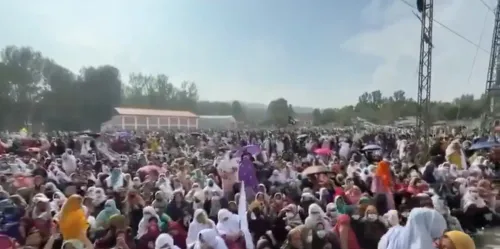
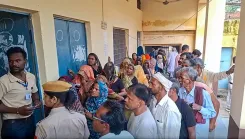
The protests, led by the Joint Awami Action Committee (JAAC), have swept through several areas of the occupied territory, including Rawalakot, Mirpur, Kotli, and other districts. Videos circulating on social media — including on the JAAC's own handles — reportedly showed Pakistani security forces opening fire on a peaceful rally in Kotli on Thursday, with women protesters seen fleeing for their lives.
Local groups have alleged that more than 100 people have been killed since 5 June, several hundred critically injured, and hundreds more subjected to enforced disappearances by Pakistani security forces. These figures have not been independently verified, and India has attributed them to local groups making the claims.
India's Call to the International Community
New Delhi urged international organisations to conduct an independent investigation into the alleged unlawful killings, echoing requests reportedly made by the people of PoJK themselves. Jaiswal said the so-called elections in the region 'stand as a humiliating rejection of the Pakistani establishment,' pointing to the scale and persistence of public dissent.
This marks one of India's most pointed public statements on PoJK's internal unrest, coming at a moment when the protests have drawn sustained attention across the region. How the international community responds — and whether Islamabad faces any multilateral pressure — will shape the next phase of this crisis.
Point of View
Not just a routine condemnation. By citing Khawaja Asif's 'enemies like India' framing and Rana Sanaullah's admission about armed militants turning inward, New Delhi is using Islamabad's words as evidence against it. The harder question is whether the international community, preoccupied with other crises, will apply any meaningful pressure on Pakistan over PoJK — a territory most multilateral bodies do not formally recognise as occupied. India's leverage here depends entirely on sustained global attention, which has historically been difficult to hold on Kashmir-related issues.
NationPress
15 Sept 2026
Frequently Asked Questions
Why did India condemn Pakistan over PoJK on 31 July?
India condemned Pakistan on 31 July after Pakistani security forces carried out a violent crackdown on civilian protesters in Pakistan-occupied Jammu and Kashmir (PoJK), resulting in the deaths of over 40 people. MEA spokesperson Randhir Jaiswal called on the international community to scrutinise Islamabad's actions and hold it accountable.
What did Pakistan's Defence Minister Khawaja Asif say about the PoJK protesters?
Khawaja Asif reportedly defended the crackdown by describing the demonstrators as 'enemies like India.' India cited this remark as evidence of the Pakistani establishment's contempt for PoJK civilians, and it drew sharp condemnation from New Delhi.
Who is the JAAC and what are they protesting?
The Joint Awami Action Committee (JAAC) is a civilian coalition leading protests and a long march in Pakistan-occupied Jammu and Kashmir. The protests have spread across Rawalakot, Mirpur, Kotli, and other areas, with demonstrators demanding rights and accountability from the Pakistani establishment.
How many people have been killed in the PoJK crackdown?
India's official statement cited over 40 deaths. Local groups have alleged more than 100 people have been killed since 5 June, with hundreds critically injured and hundreds more subjected to enforced disappearances — though these figures have not been independently verified.
What has India asked the international community to do?
India has urged international organisations to conduct an independent investigation into the alleged unlawful killings in PoJK and to hold Pakistan accountable for its actions against civilians. The call echoes requests reportedly made by people within PoJK itself.