India rejects Pakistan's Indus Valley cultural claims, slams PoJK polls
Synopsis
India didn't just reject Pakistan's Indus Valley cultural claims — it turned them into an indictment. With at least 20 protesters killed in PoJK and elections there dismissed as a 'cosmetic exercise', New Delhi is pushing back on two fronts simultaneously: Islamabad's civilisational soft-power bid and its attempted legitimisation of occupation through a disputed ballot.
Key Takeaways
MEA spokesperson Randhir Jaiswal on 28 July rejected Pakistan's attempts to claim a shared Indus Valley Civilisation legacy, calling them 'desperate and phoney'.
Pakistan's Information Minister Attaullah Tarar had recently linked Pakistani identity to the River Indus and its tributaries.
India condemned assembly elections in Pakistan-occupied Jammu and Kashmir (PoJK) as a 'cosmetic electoral exercise' masking illegal occupation.
At least 20 people have been killed during the JAAC Long March in PoJK amid a Pakistani security crackdown.
India reiterated that Jammu, Kashmir and Ladakh , including PoJK, are integral and inalienable parts of India.
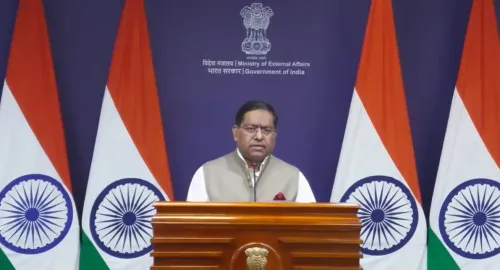
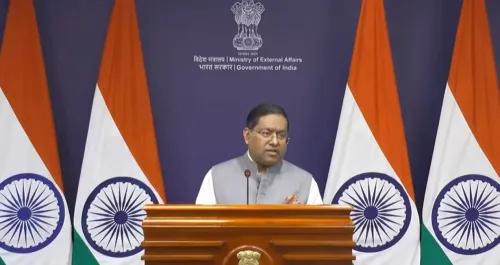
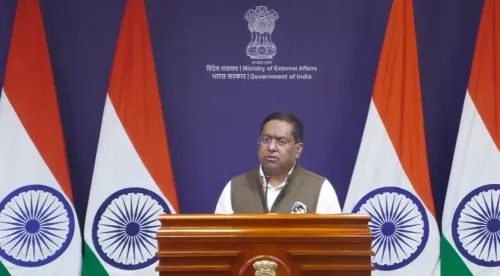
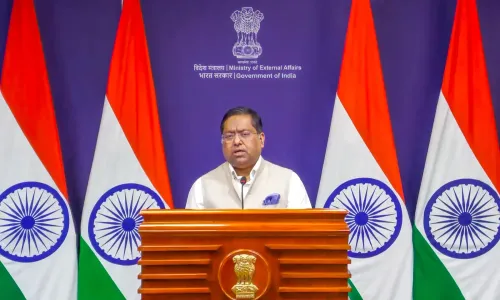
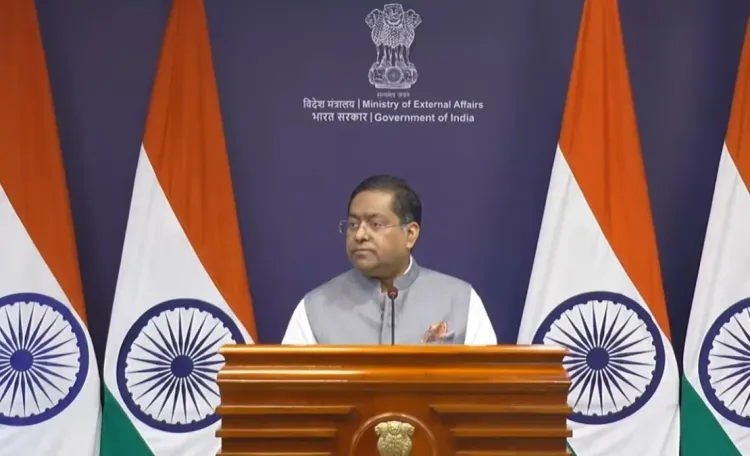
India on Tuesday, 28 July sharply rejected Pakistan's attempts to invoke the Indus Valley Civilisation as a shared cultural legacy, asserting that a nation with a record of promoting cross-border terrorism and religious fundamentalism has no credible claim to any pluralistic heritage. The rebuke came from Ministry of External Affairs (MEA) spokesperson Randhir Jaiswal at a bi-weekly press briefing in New Delhi.
India's Rejection of Pakistan's Cultural Claims
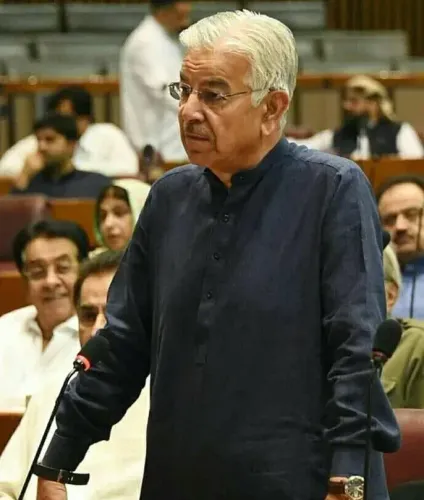
Jaiswal was responding to recent remarks by Pakistan's Information and Broadcasting Minister Attaullah Tarar, who had argued that the identity of Pakistan's people is rooted in the banks and tributaries of the River Indus. Several voices within Pakistan have in recent weeks invoked a 'shared legacy' framing around the Indus Valley Civilisation.
Jaiswal dismissed these claims unequivocally. 'A country which has been promoting cross-border terrorism, which has been promoting religious fundamentalism and violence for decades, cannot have any claim to any pluralistic cultural legacy. Their abysmal track record on the protection of minorities and their cultural rights make such desperate attempts look even more phoney,' he said.
Notably, India's pushback arrives as bilateral tensions remain elevated in the aftermath of the Pahalgam terror attack and the subsequent Operation Sindoor military strikes earlier this year — making Pakistan's cultural outreach all the more pointed in its timing.
India Condemns 'Cosmetic' PoJK Elections
At the same briefing, Jaiswal also condemned the ongoing assembly elections in Pakistan-occupied Jammu and Kashmir (PoJK), describing them as a 'cosmetic electoral exercise' designed to obscure Islamabad's illegal occupation and conceal grave human rights violations in the region.
'The entire union territories of Jammu, Kashmir and Ladakh, including the areas currently under illegal occupation and forcible occupation of Pakistan, are integral and inalienable parts of India,' Jaiswal reiterated, restating New Delhi's long-standing and consistent position.
The first phase of polling in PoJK has been marred by violent clashes, allegations of electoral rigging, and the killing of political workers, according to local media reports. Coalition partners have publicly accused each other of undermining the electoral process.
Crackdown on PoJK Protesters
Jaiswal linked the unrest directly to Pakistani governance failures. 'The ongoing mass protests in Pakistan-occupied Jammu and Kashmir are the direct consequences of its economic exploitation, its denial of fundamental rights to the people and their administrative oppression,' he said.
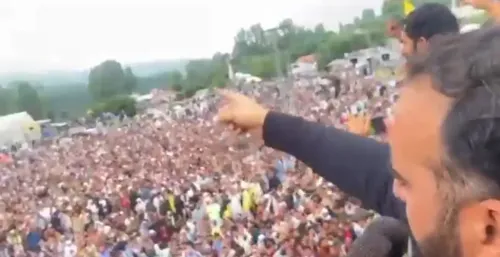
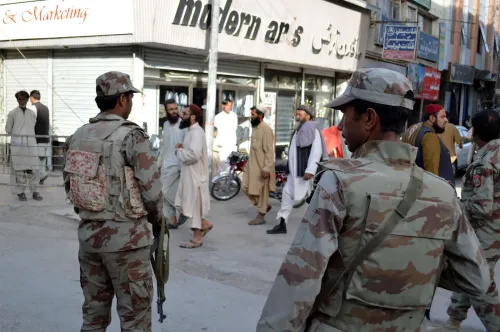
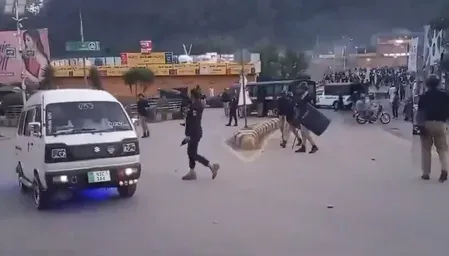
At least 20 people have been killed and dozens of civilians critically injured during a Long March organised by the Joint Awami Action Committee (JAAC) in PoJK, amid an escalating crackdown by Pakistani security forces. Videos circulating on social media purportedly show Pakistani security personnel opening fire on civilians, though these could not be independently verified.
What This Signals
India's dual rebuke — on the cultural front and the electoral front — reflects a coordinated diplomatic effort to counter what New Delhi views as Pakistan's attempts at narrative repositioning. By invoking the Indus Valley Civilisation, Islamabad appears to be seeking a softer, civilisational framing even as ground realities in PoJK tell a sharply different story. With protests intensifying and international attention on the region, the situation in PoJK is likely to remain a pressure point in the weeks ahead.
Point of View
But it arrives at the worst possible moment for Islamabad — when PoJK is under international scrutiny for a deadly crackdown on protesters. India's twin rebuke is strategically coherent: by linking Pakistan's cultural claims to its minority rights record in the same breath as the PoJK unrest, New Delhi is making the case that the civilisational framing is not just historically contestable but morally hollow. The deeper question is whether this exchange signals a new phase of narrative warfare between the two countries, where heritage and history become as contested as borders.
NationPress
27 Oct 2026
Frequently Asked Questions
Why did India reject Pakistan's claims over the Indus Valley Civilisation?
India rejected the claims because, according to MEA spokesperson Randhir Jaiswal, a country that promotes cross-border terrorism and religious fundamentalism cannot credibly claim a pluralistic cultural legacy. Jaiswal specifically cited Pakistan's 'abysmal track record' on protecting minorities and their cultural rights.
What did Pakistan's minister say about the Indus Valley Civilisation?
Pakistan's Information and Broadcasting Minister Attaullah Tarar recently stated that the identity of Pakistan's people is rooted in the banks and tributaries of the River Indus, invoking the Indus Valley Civilisation as a foundational cultural marker.
Why did India condemn the PoJK elections?
India described the assembly elections in Pakistan-occupied Jammu and Kashmir as a 'cosmetic electoral exercise' aimed at camouflaging Pakistan's illegal occupation and concealing human rights violations in the region. New Delhi maintains that PoJK is an integral part of India.
What is happening with the JAAC protests in PoJK?
At least 20 people have been killed and dozens critically injured during a Long March organised by the Joint Awami Action Committee (JAAC) in PoJK, amid a crackdown by Pakistani security forces. Videos on social media reportedly show security personnel firing on civilians.
What is India's official position on Pakistan-occupied Jammu and Kashmir?
India's position, reiterated by MEA spokesperson Randhir Jaiswal, is that the entire union territories of Jammu, Kashmir and Ladakh — including areas under Pakistani occupation — are integral and inalienable parts of India. This stance has remained consistent across successive governments.