India rejects Pakistan's PoK unrest claims, urges global accountability
Synopsis
India's MEA didn't just deny Pakistan's allegations — it turned them around. Calling the claims 'fabricated' and 'deserving contempt,' spokesperson Randhir Jaiswal accused Pakistan of state brutality in PoK, including lethal force against unarmed civilians. With dozens reportedly dead in Rawalakot and the JAAC banned under anti-terror laws, India is pushing the international community to hold Islamabad accountable.
Key Takeaways
MEA spokesperson Randhir Jaiswal on 23 June categorically rejected Pakistan's claims blaming India for unrest in Pakistan-occupied Kashmir (PoK) .
India accused Pakistan of 'systemic economic exploitation, denial of fundamental rights, and administrative oppression' in PoK.
Pakistan's authorities allegedly responded to protests with internet blackouts, blocked essential supplies, and lethal force against civilians.
Clashes erupted after Pakistan designated the Joint Awami Action Committee (JAAC) a proscribed group under anti-terrorism laws ahead of a 9 June protest.
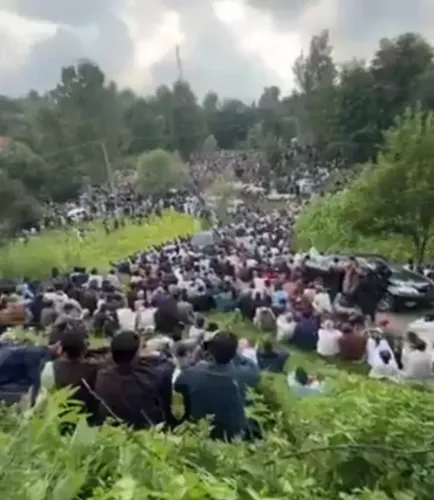
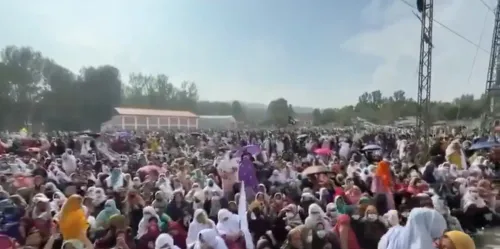
Reports suggest dozens killed and hundreds injured in clashes in Rawalakot city , PoK.
India has called on the international community to hold Pakistan accountable for alleged human rights abuses in the region.
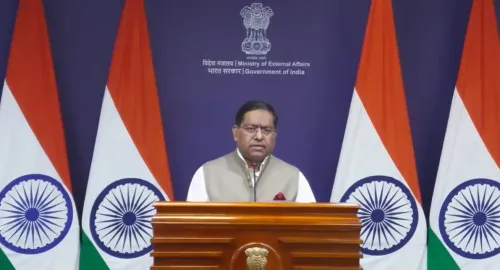
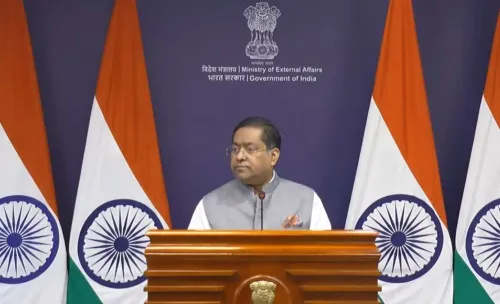
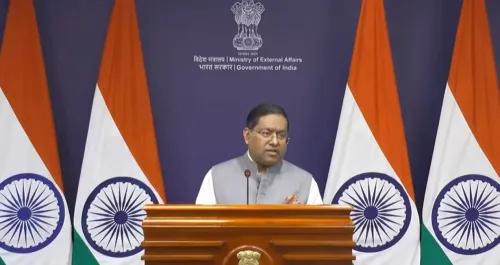
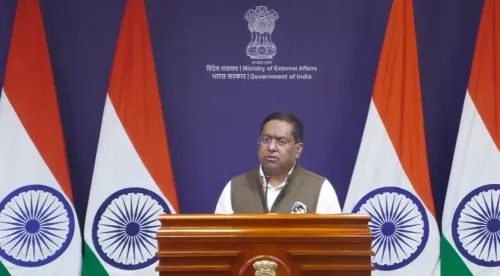
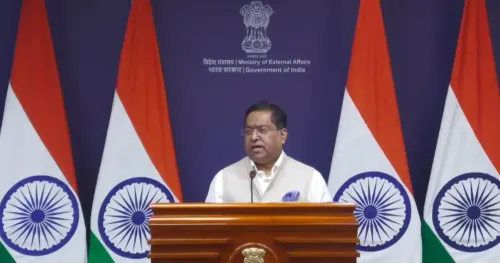
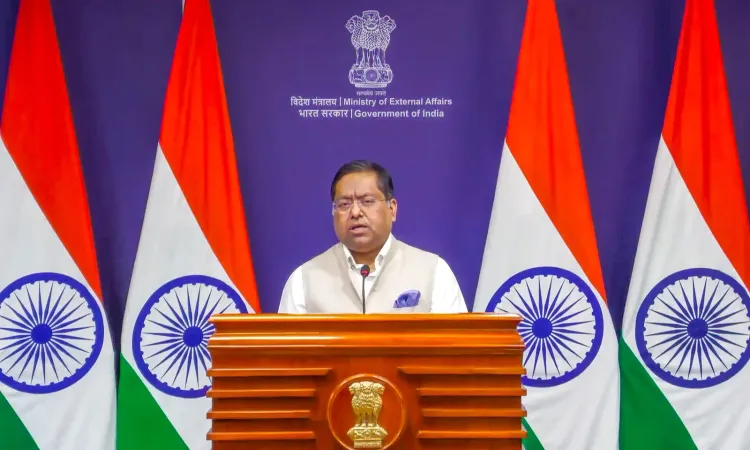
The Ministry of External Affairs (MEA) on Tuesday, 23 June flatly rejected Pakistan's allegations linking India to the ongoing unrest in Pakistan-occupied Kashmir (PoK), calling them 'fabricated claims' designed to distract from Islamabad's own human rights record in the region. The rejection came during the MEA's weekly media briefing in New Delhi.
India's Categorical Rejection
MEA spokesperson Randhir Jaiswal dismissed accusations made by Pakistan's Defence Minister, who had blamed India for the violence in PoK. Jaiswal was unsparing in his response: 'Such remarks are desperate attempts by Pakistan to cover up its own failings and deflect attention away from its human rights abuses. We categorically reject these fabricated claims with the contempt that they deserve.'
Jaiswal attributed the protests to what he described as Pakistan's decades-long policy of 'systemic economic exploitation, denial of fundamental rights, and administrative oppression in areas under its illegal and forcible occupation.'
Allegations of State Brutality in PoK
India has accused Pakistani authorities of responding to the unrest with 'extreme police brutality,' including blocking of essential supplies and medicines, internet blackouts, and the use of lethal force against unarmed civilians. 'Several people have also lost their lives,' Jaiswal noted, calling on the international community to hold Pakistan accountable for what he termed 'misdeeds and human rights abuses.'
This is not the first such statement from New Delhi. On 9 June, India had similarly condemned what it called a 'pattern of fake news and videos emanating from Pakistan,' accusing Islamabad of attempting to obscure reports of police brutality in which, according to India's statement, several people had been killed and many more injured.
Background: The JAAC Crackdown and Rawalakot Clashes
The unrest traces back to a decision by Pakistani authorities in the occupied territory to designate the Joint Awami Action Committee (JAAC) a proscribed organisation under anti-terrorism laws, ahead of a planned protest on 9 June. The move triggered clashes, particularly in Rawalakot city, where reports suggest dozens of people have been killed and hundreds injured in confrontations between law enforcement personnel and protesters.
The JAAC had been a vocal platform for civil society grievances in PoK, including demands over electricity tariffs and flour subsidies. Its proscription under anti-terrorism statutes drew sharp criticism from rights groups.
International Condemnation and Calls for Accountability
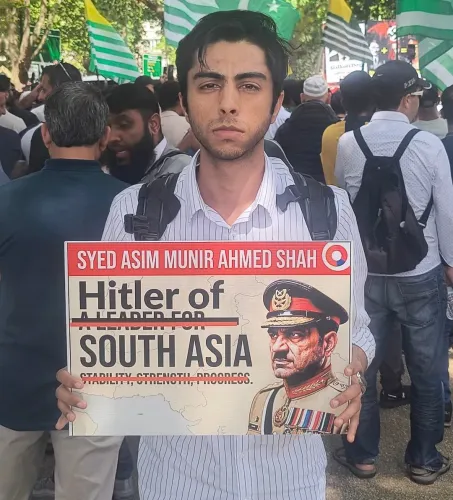
Several international human rights organisations, activists, and members of the Kashmiri diaspora across the globe have condemned the killings of civilians in PoK, calling for international scrutiny of the situation. India has amplified these calls, framing its statements as consistent with its broader position that PoK remains territory under Pakistan's 'illegal and forcible occupation.'
With global attention now on the region, the pressure on Pakistan to provide independent access to PoK — and to account for the reported casualties — is likely to intensify in the weeks ahead.
Point of View
Using phrases like 'contempt they deserve,' which is rare in formal diplomatic briefings. What is missing from the public record, however, is independent verification of the casualty figures and the scale of the crackdown — something India's own statements acknowledge only through hedged phrasing. The JAAC's proscription under anti-terrorism law is the central provocation that mainstream coverage has underplayed; it is the legal trigger for the crackdown, and its legitimacy — or lack thereof — is the real question that the international community has yet to formally address.
NationPress
22 Sept 2026
Frequently Asked Questions
Why did India reject Pakistan's claims about PoK unrest?
India's MEA called Pakistan's allegations 'fabricated claims' made to deflect attention from Islamabad's own human rights abuses in Pakistan-occupied Kashmir. Spokesperson Randhir Jaiswal said the protests in PoK were a direct result of Pakistan's decades-long policy of economic exploitation and denial of fundamental rights in the region.
What triggered the protests in Pakistan-occupied Kashmir?
The unrest intensified after Pakistani authorities designated the Joint Awami Action Committee (JAAC) a proscribed group under anti-terrorism laws ahead of a planned protest on 9 June. The JAAC had been a key civil society platform raising grievances over economic conditions in PoK.
How many people have been killed in the PoK clashes?
Reports suggest dozens of people have been killed and hundreds injured in clashes between law enforcement personnel and protesters, particularly in Rawalakot city. India's MEA has stated that 'several people have lost their lives,' though independent verification of the figures remains limited.
What is India asking the international community to do?
India has urged the global community to hold Pakistan accountable for alleged human rights abuses in PoK, including the use of lethal force, internet blackouts, and blocking of essential supplies and medicines. Several international human rights organisations and the Kashmiri diaspora have also called for international scrutiny.
What is the Joint Awami Action Committee (JAAC)?
The JAAC is a civil society platform in Pakistan-occupied Kashmir that has led protests over issues including electricity tariffs and flour subsidies. Pakistan's authorities declared it a proscribed organisation under anti-terrorism laws ahead of its planned 9 June protest, a move that triggered the current wave of unrest.