India rejects 'Pakistani Kashmir' label as PoK unrest kills 50+
Synopsis
On the same day Indian diplomats in Washington corrected The New York Times over 'Pakistani Kashmir', Pakistani forces were reportedly firing on unarmed civilians in PoK. With 90 dead since June 2026, diaspora protests outside the Pakistan High Commission in London, and India's MEA calling the elections a 'complete farce', the territory's occupation is under unprecedented international scrutiny.
Key Takeaways
The Indian Embassy in Washington formally rebuked The New York Times on 29 July 2026 for using the phrase 'Pakistani Kashmir' , asserting only 'Pakistan-occupied Kashmir' is accurate.
Unrest in PoK has claimed more than 50 lives and left hundreds injured; at least 90 civilians have died since June 2026 , according to India's MEA .
MEA spokesperson Randhir Jaiswal called the PoK elections a 'complete farce' and a cosmetic exercise to legitimise illegal occupation.
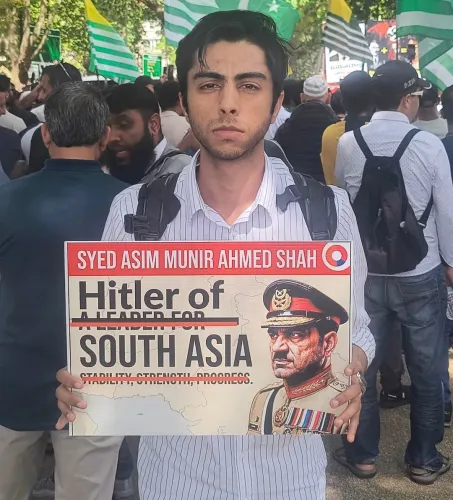
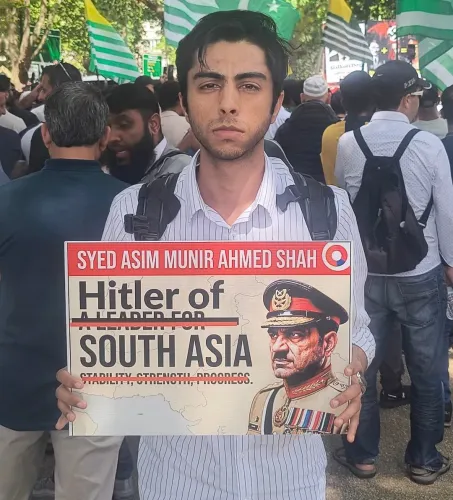
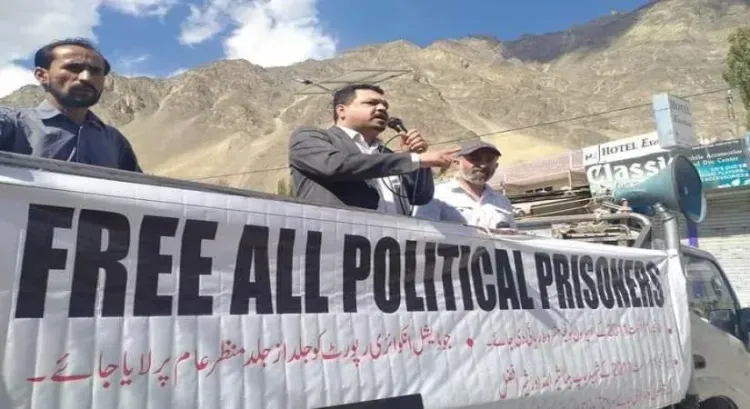
Diaspora Kashmiris marched from Hyde Park to the Pakistan High Commission in London , protesting Pakistani atrocities in PoK.
Analyst KBS Sidhu argued the Embassy's correction and the civilian crackdown were 'the same story told from two vantage points.'
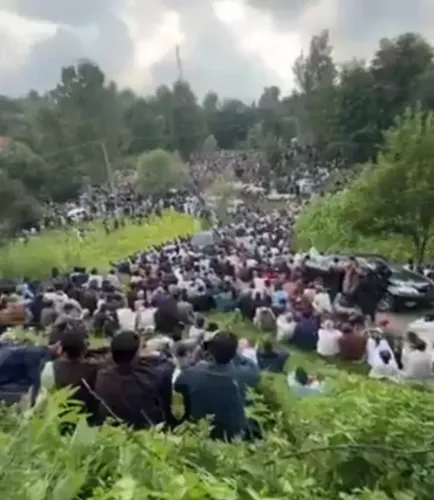
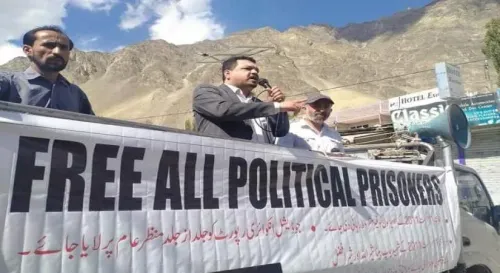
India's diplomatic pushback against The New York Times for using the phrase 'Pakistani Kashmir' in a headline reflects far more than a vocabulary dispute — it is a deliberate refusal to allow imprecise Western terminology to legitimise Pakistan's occupation of Pakistan-occupied Kashmir (PoK), according to an analysis published this week in India Narrative. The objection came as Pakistani security forces reportedly fired on unarmed civilians in Mirpur, Kotli, Rawalakot, and Muzaffarabad, with unrest in the region claiming more than 50 lives and leaving hundreds injured.
The Diplomatic Flashpoint
On 29 July 2026, the Indian Embassy in Washington issued a formal rebuke to The New York Times over its headline 'Clashes Erupt in Pakistani Kashmir.' The Embassy's response was unambiguous: 'There is no Pakistani Kashmir, only Pakistan-occupied Kashmir.' The correction was not incidental — it arrived on the same day Pakistani security forces were, according to reports, firing live rounds into crowds of civilians who had gathered to boycott elections Islamabad described as a democratic exercise.
KBS Sidhu, a former Special Chief Secretary of Punjab, writing in India Narrative, argued that the two events — the Embassy's correction and the crackdown on the streets — were, in effect, 'the same story told from two vantage points — one diplomatic, one journalistic.'
What Happened on the Ground in PoK
The unrest in PoK has drawn international condemnation, with human rights concerns mounting over the conduct of Pakistani forces. According to Sidhu's analysis, every Assembly election in PoK is effectively overseen by Pakistan's military and intelligence establishment, with the Inter-Services Intelligence (ISI) historically vetting candidates and outcomes rarely surprising Rawalpindi.
What distinguished July 2026, he argued, was not the election itself but the unprecedented scale of civilian refusal to participate — a defiance that Pakistan reportedly met with bullets, blackouts, and intimidation. Since June 2026, at least 90 civilians have lost their lives in the continuing crackdown, according to India's Ministry of External Affairs (MEA).
Diaspora Protests in London
The report highlighted protests in London as among the most politically significant developments. British Kashmiris and diaspora Kashmiris — described as 'not Indian nationals or agents of New Delhi' but sons and daughters of PoK itself — marched from Hyde Park to the Pakistan High Commission, protesting atrocities by Pakistani forces in the occupied territory.
Sidhu noted the irony: 'The diaspora Pakistan has spent decades claiming as evidence of Kashmiri loyalty to its cause instead marched against it.' The scale of the London protest was, according to the report, impossible for Islamabad's embassy to ignore.
India's Official Position
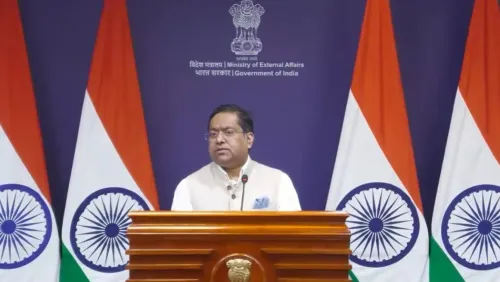
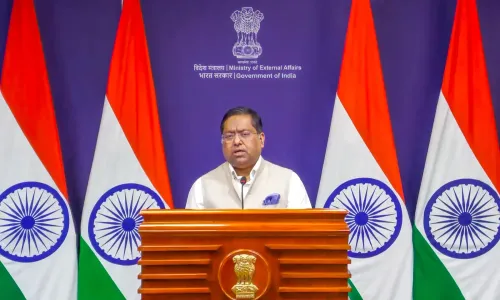
India's response has remained, in the report's characterisation, calibrated, factual, and restrained. MEA spokesperson Randhir Jaiswal described the PoK elections as a 'complete farce' and a cosmetic exercise aimed at legitimising Pakistan's illegal occupation. 'The real happening is that of public protests and wanton killings by the Pakistani forces. Such hollow exercises cannot hide reality,' Jaiswal said at a bi-weekly media briefing.
Jaiswal added: 'The Pakistani establishment has answered public discontent with bullets, blackouts, intimidation and repression and now seeks to manufacture legitimacy through a hollow electoral exercise. It must be held accountable and the world should see through the veneer of Pakistan's hypocritical lecturing on human rights.'
Why the Terminology Debate Matters
Analysts note that the naming dispute is not semantic — it carries legal and political weight. Describing the territory as 'Pakistani Kashmir' implies sovereignty, whereas 'Pakistan-occupied Kashmir' signals illegitimate control. India's consistent use of the latter framing, reinforced through diplomatic channels, is part of a broader effort to shape the international narrative on the Kashmir question. This is the first time in recent years that India has formally challenged a major Western news outlet's framing in such direct terms, signalling a more assertive information posture.
With international pressure mounting and diaspora communities publicly aligning against Islamabad, the situation in PoK is expected to remain under close global scrutiny in the weeks ahead.
Point of View
Coinciding with live-fire crackdowns in PoK, was not accidental. The real significance is not the rebuke itself but what it signals: India is no longer willing to let Western editorial defaults quietly validate Pakistan's sovereignty claims. The harder question is whether a single Embassy statement and MEA press briefing are sufficient to shift entrenched Western framing, or whether India needs a sustained, institutionalised counter-narrative strategy. With 90 civilians dead and diaspora communities publicly turning against Islamabad, the window to shape global opinion is open — but it will not stay open indefinitely.
NationPress
21 Sept 2026
Frequently Asked Questions
Why did India object to The New York Times using 'Pakistani Kashmir'?
The Indian Embassy in Washington objected because the phrase implies Pakistani sovereignty over the territory, which India does not recognise. India's position is that the region is 'Pakistan-occupied Kashmir' — territory under illegal occupation, not legitimate Pakistani jurisdiction.
How many people have died in the PoK unrest in 2026?
At least 90 civilians have died in the crackdown since June 2026, according to MEA spokesperson Randhir Jaiswal. The broader unrest over the last few days alone has claimed more than 50 lives and left hundreds injured.
What did India's MEA say about the PoK elections?
MEA spokesperson Randhir Jaiswal called the elections a 'complete farce' and a cosmetic exercise designed to legitimise Pakistan's illegal occupation. He said the Pakistani establishment had 'answered public discontent with bullets, blackouts, intimidation and repression.'
What happened at the Pakistan High Commission in London?
Diaspora Kashmiris — described as sons and daughters of PoK, not Indian agents — marched from Hyde Park to the Pakistan High Commission in London to protest atrocities by Pakistani forces. Analysts noted this was among the most politically damaging developments for Islamabad, as it undercut Pakistan's claim of Kashmiri loyalty.
Who is KBS Sidhu and what did he argue?
KBS Sidhu is a former Special Chief Secretary of Punjab who wrote an analysis in India Narrative this week. He argued that India's correction of the NYT headline and the simultaneous civilian crackdown in PoK were 'the same story told from two vantage points', both exposing Pakistan's occupation of the territory.