Arunachal CMO thanks PM Modi for ₹1,476 cr tax devolution
Synopsis
The Chief Minister's Office of Arunachal Pradesh acknowledged an additional ₹1,476 crore central tax devolution, thanking PM Modi and FM Sitharaman, as the border state looks to channel the funds into infrastructure and welfare under India's fiscal federalism framework.
Key Takeaways
The Centre has released an additional ₹1,476 crore in tax devolution to Arunachal Pradesh .
The Chief Minister's Office publicly thanked PM Narendra Modi and Finance Minister Nirmala Sitharaman for the transfer.
Arunachal Pradesh holds special category status and is heavily dependent on central transfers due to its terrain and strategic border location.
The 15th Finance Commission set a 41% devolution pool for states, with northeastern states receiving elevated per-capita shares.
The funds are earmarked for infrastructure and welfare initiatives in the state.
The 16th Finance Commission is expected to frame its next cycle of recommendations after 2026 , making efficient fund utilisation critical for Arunachal's future claims.
A ₹1,476 crore additional tax devolution from the Centre has landed in Arunachal Pradesh's coffers — a fiscal injection that the state's government says will power infrastructure and welfare programmes across one of India's most strategically vital border states. The Chief Minister's Office of Arunachal Pradesh acknowledged the transfer on Monday, November 2, 2026, directing its gratitude to both Prime Minister Narendra Modi and Union Finance Minister Nirmala Sitharaman.
What the ₹1,476 crore transfer means for Arunachal
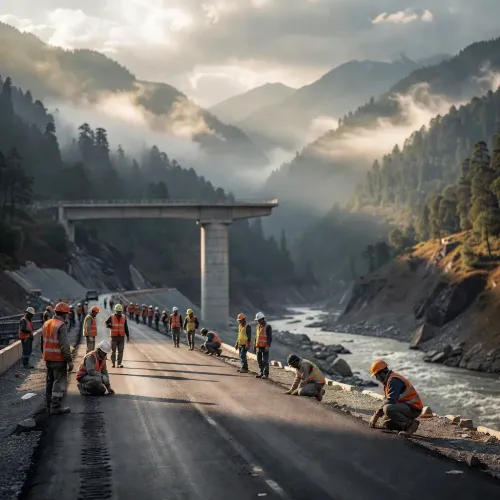
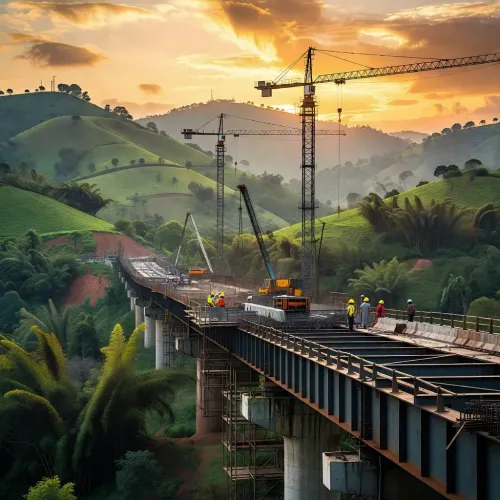
Arunachal Pradesh holds special category status and, because of its mountainous terrain and long international border, runs one of India's highest ratios of central-transfer dependence. The additional devolution supplements the state's own limited tax revenues, giving planners headroom to fund road construction, connectivity projects, and social welfare schemes that would otherwise strain a lean state budget.
Tax devolution — the constitutional mechanism by which the Centre distributes a share of its tax pool to states — forms the backbone of Indian fiscal federalism. The 15th Finance Commission (2020–26) fixed the aggregate devolution pool at 41 per cent of central taxes, with northeastern states like Arunachal receiving elevated per-capita shares, weighted for factors including area, forest cover, and fiscal capacity distance.
Sitharaman's role and the Finance Commission architecture
Nirmala Sitharaman, Finance Minister since 2019, oversees the release schedule of these transfers through the Union Budget and mid-year instalments. Additional devolution tranches — over and above the regular monthly releases — are periodically sanctioned when the Centre's tax collections exceed projections, channelling the windfall directly to states. For a state like Arunachal, even a single such tranche can represent a meaningful percentage of its annual capital outlay.
The broader northeastern infrastructure push has been a consistent theme under the Modi government, with connectivity corridors, border-area development schemes, and frontier road projects all drawing heavily on central funding. An additional devolution of this scale reinforces that strategic priority.
What Arunachal's budget planners will watch next
The real test arrives in the state's next budget cycle — whether these funds accelerate project execution or sit as unspent balances. With the 16th Finance Commission expected to frame its recommendations after 2026, the utilisation record of the current period will also shape Arunachal's bargaining position in the next devolution cycle. A state that demonstrates efficient absorption of transferred funds invariably makes a stronger case for a larger share.
For now, the ₹1,476 crore injection is a concrete vote of fiscal confidence in Arunachal Pradesh — and the state government has made clear it intends to spend every rupee of it.
Point of View
Publicly thanking the Prime Minister and Finance Minister also serves a political function, tightening the narrative of a well-funded, partnership-driven governance model ahead of any future electoral cycle. The real scrutiny, however, will fall on project delivery: border states that have absorbed large central transfers without visible on-ground outcomes have historically found the 16th Finance Commission less sympathetic. How Arunachal converts this ₹1,476 crore into completed roads, bridges, and welfare coverage will be the definitive measure of this moment.
NationPress
2 Nov 2026
Frequently Asked Questions
What is the ₹1,476 crore tax devolution to Arunachal Pradesh?
It is an additional central tax devolution — a transfer of central government tax revenue to the state — of ₹1,476 crore sanctioned for Arunachal Pradesh to strengthen its finances and fund infrastructure and welfare programmes.
What is tax devolution in India and how does it work?
Tax devolution is the constitutional process by which the Centre distributes a portion of its tax collections to all states, based on formulas recommended by the Finance Commission that weigh factors like population, area, forest cover, and fiscal capacity.
Why does Arunachal Pradesh receive a higher share of central taxes?
Arunachal Pradesh holds special category status and scores high on Finance Commission criteria like area, forest cover, and fiscal capacity distance, entitling it to elevated per-capita transfers to bridge developmental gaps and fund border-area needs.
What is the role of the 15th Finance Commission in state transfers?
The 15th Finance Commission, covering 2021–26, recommended that 41% of central taxes be devolved to states, with specific formulas ensuring northeastern and special-category states receive proportionally larger shares.
What is the 16th Finance Commission and when does it take effect?
The 16th Finance Commission is the next constitutional body that will determine the devolution formula and grants for states beyond 2026; its recommendations are expected to be framed after 2026 and will govern the next multi-year fiscal transfer cycle.