CM Conrad Sangma Thanks Modi, Sitharaman for Advance Tax Devolution
Synopsis
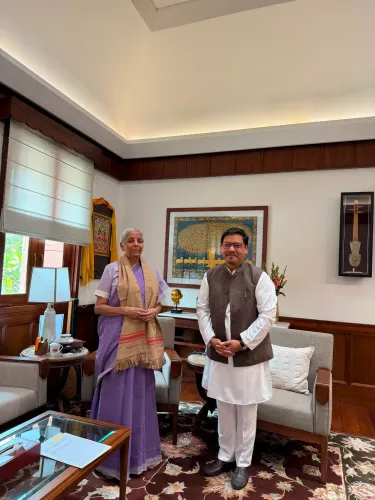
Meghalaya Chief Minister Conrad Sangma publicly thanked Prime Minister Modi and Finance Minister Sitharaman on 1 August 2026 for an advance release of tax devolution, saying the funds will accelerate infrastructure development and welfare delivery in the northeastern state.
Key Takeaways
Meghalaya CM Conrad Sangma acknowledged an advance release of central tax devolution to states on 1 August 2026 .
He thanked PM Narendra Modi and FM Nirmala Sitharaman for the early disbursement.
The 15th Finance Commission mandates a 41 per cent share of central taxes for states, typically released in monthly tranches.
Advance devolution releases ease state cash-flow pressures, particularly for smaller northeastern states heavily dependent on central transfers.
Sangma said the funds will be directed toward infrastructure development and key welfare initiatives in Meghalaya.
The statement reinforces Sangma's alignment with the Centre's cooperative federalism framework ahead of the next Finance Commission cycle.
A fiscal boost arrived in Meghalaya's accounts before the calendar could turn — and Meghalaya Chief Minister Conrad Sangma wasted no time acknowledging it. On Saturday, 1 August 2026, Sangma publicly thanked Prime Minister Narendra Modi and Union Finance Minister Nirmala Sitharaman for the advance release of tax devolution to states, calling it 'timely support' that will help the northeastern state push forward on infrastructure and welfare delivery.
What advance devolution means for a state like Meghalaya
Tax devolution is the mechanism through which the Centre shares a constitutionally mandated slice of its tax revenues with states. The 15th Finance Commission fixed that share at 41 per cent of central taxes for the period 2021 to 2026, typically released in monthly instalments across the financial year. An advance release — disbursed ahead of schedule — gives state treasuries a liquidity cushion, allowing them to front-load spending on projects rather than wait for routine tranches.
For smaller, revenue-constrained northeastern states like Meghalaya, central transfers are not supplementary income — they are the backbone of the state budget. The ability to accelerate infrastructure spending hinges directly on when those funds arrive, not just whether they do.
Sangma's cooperative federalism pitch
Sangma's statement went beyond a routine thank-you. He framed the advance release as evidence of the Centre's 'continued commitment to strengthening cooperative federalism' — a phrase that carries deliberate political weight. Cooperative federalism has been a recurring theme of the Modi government since 2014, used to describe a model where the Centre and states coordinate on fiscal, developmental, and governance priorities rather than operate at cross-purposes.
By invoking it, Sangma — who heads both the NPP-led government in Meghalaya and serves as national president of the National People's Party — signals alignment with the Centre's fiscal framework at a moment when Centre-state financial relations are under scrutiny ahead of the next Finance Commission cycle.
What the funds are meant to accelerate
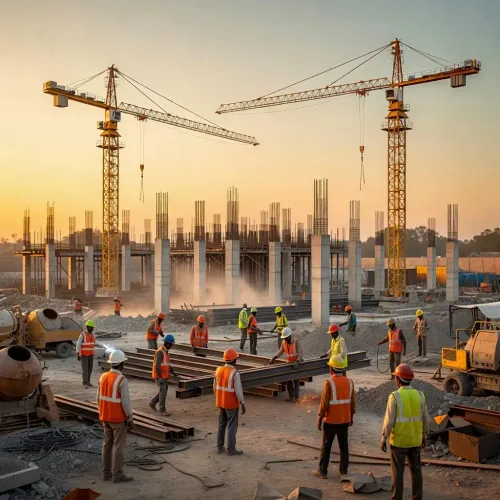
Sangma specifically cited infrastructure development and 'key welfare and development initiatives' as the intended use of the released funds. Meghalaya has in recent years prioritised road connectivity, rural electrification, and social welfare schemes — areas where delayed fund flows directly stall on-ground progress. The advance release, in that context, is less a political gesture and more an operational necessity for a state running ambitious development timelines.
Eyes will now turn to how Meghalaya deploys the funds within its state budget — and whether further advance releases follow as the Centre navigates the transition to the next Finance Commission framework beyond 2026.
Point of View
Releasing devolution early to states is a low-cost tool to shore up goodwill with regional allies. The cooperative federalism framing also subtly pushes back against opposition-governed states that have accused the Centre of withholding or delaying their rightful fiscal share. Watch whether this advance release is part of a broader pre-Finance Commission outreach to state governments across party lines.
NationPress
15 Sept 2026
Frequently Asked Questions
What is advance tax devolution to states in India?
Advance tax devolution is when the Central government releases a state's share of central tax revenues ahead of the regular monthly schedule, giving states extra liquidity to fund development and welfare spending without waiting for routine instalments.
What is Meghalaya's share in central tax devolution?
Under the 15th Finance Commission framework covering 2021 to 2026 , all states together receive 41 per cent of central taxes, with each state's individual share determined by the Commission's formula. Meghalaya, as a smaller northeastern state, is significantly dependent on this transfer.
Who is Conrad Sangma and which party does he lead?
Conrad Sangma is the Chief Minister of Meghalaya and the national president of the National People's Party (NPP) , a regional party that leads the state government and is allied with the BJP-led NDA at the Centre.
What is cooperative federalism in India?
Cooperative federalism refers to a model of Centre-state relations where both levels of government coordinate on fiscal, developmental, and governance decisions. The term has been prominently used by the Modi government since 2014 to describe its approach to working with state governments.
What will Meghalaya use the advance devolution funds for?
Chief Minister Conrad Sangma stated the funds will be used to accelerate infrastructure development and deliver key welfare and development initiatives for the people of Meghalaya.