CM Conrad Sangma raises Meghalaya's EAP concerns with FM Sitharaman
Synopsis
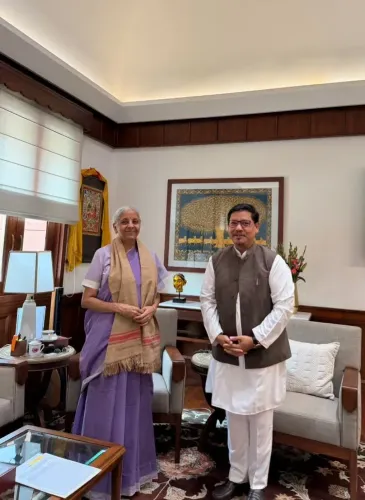
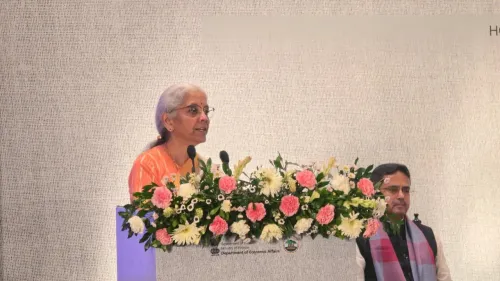
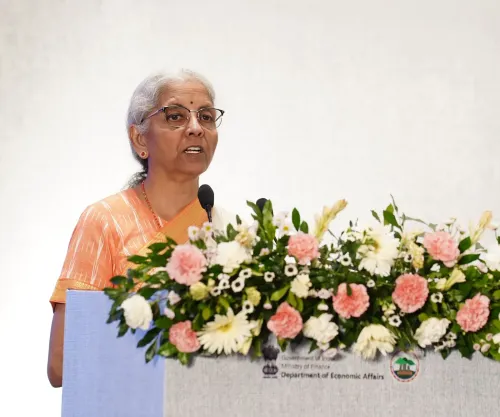
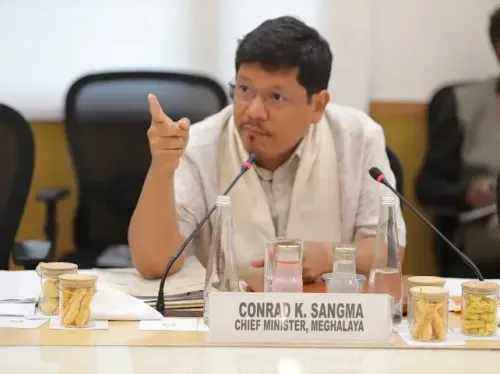
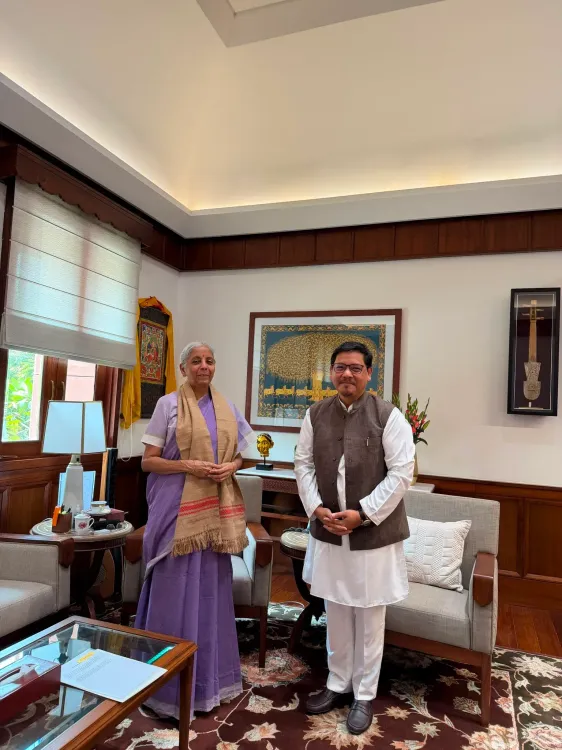
Meghalaya CM Conrad Sangma met Union Finance Minister Nirmala Sitharaman on August 10, 2026, pressing for relief on EAP borrowing ceilings for Northeast states and retention of exchange-rate gains on ongoing externally aided projects.
Key Takeaways
Conrad Sangma met Nirmala Sitharaman on August 10, 2026 to raise Meghalaya's development funding concerns.
The CM specifically flagged the ceiling on Externally Aided Projects (EAPs) imposed on North-Eastern states as a constraint on development spending.
Sangma also pushed for retention of exchange-rate gains on ongoing EAP projects by the states.
Northeast states depend heavily on external aid and have historically sought greater fiscal flexibility from the Centre.
Any policy changes are likely to appear in subsequent Finance Ministry orders or the next Union Budget .
Meghalaya Chief Minister Conrad Sangma took Meghalaya's development funding fight straight to the top on Monday, August 10, 2026 — sitting down with Union Finance Minister Nirmala Sitharaman to press two specific demands that could reshape how external aid flows into the Northeast.
The two asks on the table
Sangma raised concerns on the ceiling imposed on Externally Aided Projects (EAPs) for North-Eastern states — a cap that limits how much external funding these states can borrow and deploy. The second demand was equally pointed: that exchange-rate gains accruing on ongoing EAP projects be retained by the states rather than absorbed elsewhere. Both issues strike at the fiscal autonomy of states that depend heavily on central and external assistance to fund large-scale infrastructure and development work.
In his own words, Sangma said he was 'grateful for her patient hearing, guidance, and continued support for Meghalaya and the North East' — a signal that the meeting was substantive, not ceremonial.
Why EAP ceilings matter to Northeast states
Northeast states occupy a unique position in India's fiscal architecture. Classified as Special Category States, they receive a higher share of central assistance, yet their capacity to absorb and deploy large external loans — from multilateral agencies and bilateral partners — is constrained by borrowing ceilings set by the Finance Ministry. When those ceilings are tight, projects stall. When exchange-rate gains on foreign-currency loans are not retained by the implementing state, a windfall that could fund additional works simply disappears from state accounts.
The Ministry of Development of North Eastern Region, established in 2001, was designed precisely to coordinate and amplify central support for the eight-state region. But the fine print of EAP management — who controls the ceiling, who keeps the currency gains — has remained a recurring friction point between state capitals and New Delhi.
Sangma's push in a broader pattern of state-centre bargaining
This meeting fits a well-worn groove: Northeast chief ministers periodically making the trip to the Finance Ministry to negotiate fiscal space. What makes this round notable is the specificity. Sangma did not arrive with vague requests for 'more funds' — he came with two concrete, technical asks that have direct budget implications. That precision signals a state government that has done its homework and is pushing for structural change, not just a one-off allocation.
Any revision to EAP borrowing ceilings or a policy shift on exchange-rate retention would likely surface in subsequent Finance Ministry communications or the next Union Budget — the real test of whether this meeting moved the needle.
Point of View
Not a generic plea for funds — reflects a maturing Northeast political strategy of engaging the Finance Ministry on technical fiscal terms rather than political ones. The ask on exchange-rate gains is particularly sharp: it essentially argues that efficiency windfalls on foreign-currency loans should stay with the implementing state, a position that, if conceded, would set a precedent for all special category states. Whether Sitharaman's 'patient hearing' translates into Budget-cycle action will be the real measure of the NPP's leverage in the current NDA coalition arithmetic.
NationPress
24 Sept 2026
Frequently Asked Questions
What is an Externally Aided Project (EAP) in India?
An Externally Aided Project (EAP) is a development project funded through loans or grants from foreign governments or multilateral agencies such as the World Bank or Asian Development Bank, channelled through the Indian government to states.
Why did Conrad Sangma meet Nirmala Sitharaman?
Meghalaya Chief Minister Conrad Sangma met Union Finance Minister Nirmala Sitharaman on August 10, 2026, to raise two specific concerns: the ceiling on EAP borrowing for North-Eastern states and the retention of exchange-rate gains on ongoing EAP projects.
What is the EAP ceiling issue for Northeast states?
The Finance Ministry sets limits on how much external funding Northeast states can borrow and deploy through EAPs. States like Meghalaya argue these ceilings restrict their ability to fund large infrastructure and development projects.
What are exchange-rate gains on EAP projects?
When foreign-currency loans are disbursed and the rupee appreciates or loan repayments cost less than projected, the difference is an exchange-rate gain. Northeast states want these savings retained at the state level to fund additional development work.
What is the National People's Party (NPP) and Conrad Sangma's role?
The National People's Party (NPP) is a regional political party based in Northeast India. Conrad Sangma is both the Chief Minister of Meghalaya and the national president of the NPP, making him one of the region's most prominent political voices.