CM Conrad Sangma Pitches Viksit Meghalaya at NITI Aayog NE Meet
Synopsis
Meghalaya Chief Minister Conrad Sangma joined a NITI Aayog interaction with North Eastern Chief Ministers on June 13, 2026, presenting the state's Transformation Journey 2032 vision, stressing human development, Externally Aided Projects, and greater regional cooperation on trade and sustainability.
Key Takeaways
Conrad Sangma participated in a NITI Aayog -convened interaction of North Eastern Chief Ministers on June 13, 2026 .
He presented Meghalaya's Transformation Journey 2032 , the state's framework aligned with the national Viksit Bharat@2047 vision.
Sangma stressed that economic growth must deliver meaningful human development for Meghalaya's people.
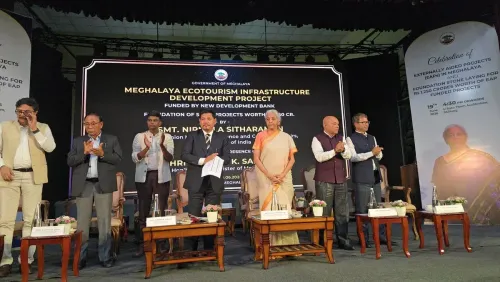
He highlighted Externally Aided Projects (EAPs) — backed by agencies like the World Bank and ADB — as critical to building state assets.
He called for greater interstate collaboration among North Eastern states on trade, exports, and environmental sustainability.
Sangma advocated for differentiated federal policies that address the unique aspirations and needs of the North East.
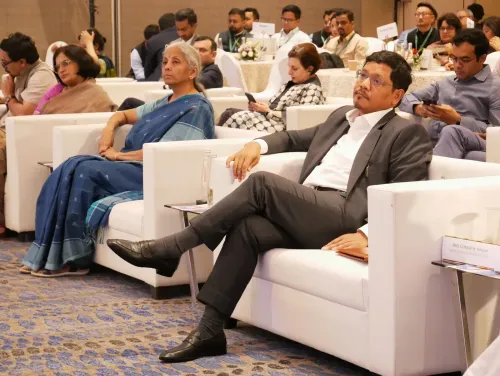
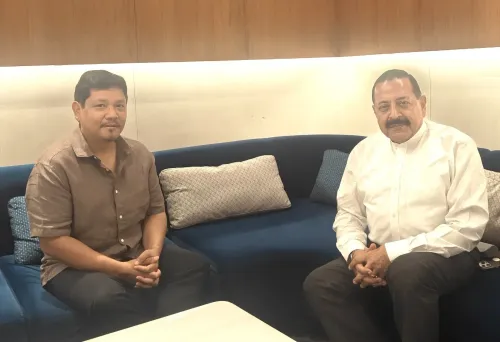
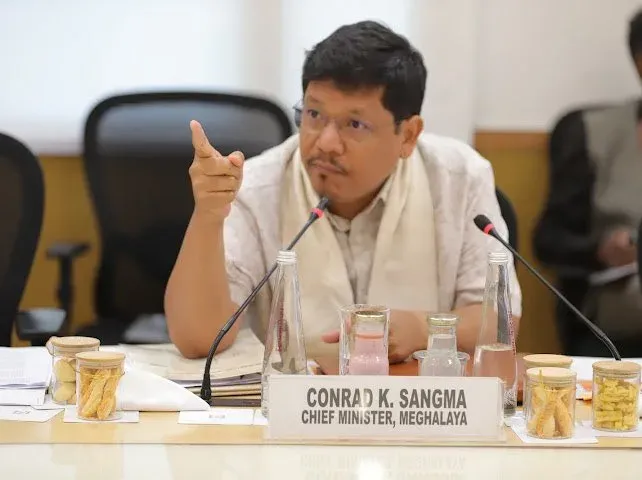
Meghalaya Chief Minister Conrad Sangma on Saturday, June 13, 2026, participated in an interaction convened by NITI Aayog with Chief Ministers of the North Eastern states, where he presented Meghalaya's Transformation Journey 2032 — the state's long-term vision for building a 'Viksit Meghalaya'. Sangma used the platform to argue that economic growth must translate into measurable human development, and to highlight the critical role of Externally Aided Projects (EAPs) in accelerating the state's infrastructure and development agenda.
Context
Posting on X, CM Sangma wrote that he 'shared Meghalaya's vision for our Transformation Journey 2032 towards building a Viksit Meghalaya,' adding that 'true economic growth must translate into meaningful human development, improving the lives and opportunities of our people.' He also flagged the 'important role of Externally Aided Projects in creating critical assets and accelerating development across the State.' The interaction was convened by NITI Aayog and brought together Chief Ministers from across the North East, with the post tagging @PMOIndia, signalling the federal dimension of the discussion.
Policy Backdrop
NITI Aayog, established in 2015 as a successor to the Planning Commission, regularly convenes interactions with state Chief Ministers to align state development strategies with national priorities under the cooperative federalism framework. Meghalaya's Transformation Journey 2032 is understood to be the state's own adaptation of the national Viksit Bharat@2047 vision — the Prime Minister's blueprint for a developed India by the centenary of independence. Externally Aided Projects, funded by multilateral agencies such as the World Bank and the Asian Development Bank (ADB), have been a consistent financing instrument for critical infrastructure in Northeastern states since the early 2000s, and Sangma's emphasis on EAPs signals their continued centrality to Meghalaya's capital expenditure pipeline.
The Act East Policy, upgraded in 2014, has further guided Northeast connectivity and trade initiatives. Sangma's call for greater interstate collaboration on 'trade, exports, and environmental sustainability' directly echoes the policy's objective of integrating the Northeast with Southeast Asian markets through regional cooperation.
Stakeholders and Impact
The primary stakeholders in this framework are Meghalaya's citizens, who stand to benefit from improved human development outcomes if EAP-funded assets and state vision targets are realised. Regional exporters and traders across the eight North Eastern states also have a direct interest in the interstate trade and export collaboration that Sangma advocated for. Environmental sustainability was flagged as a shared regional priority — significant given the Northeast's ecologically sensitive geography and dependence on forest and water resources.
Sangma, who also serves as national president of the National People's Party (NPP), used the NITI Aayog platform to advocate for policies that 'address the unique aspirations and needs of the North East' — a recurring demand from the region's political leadership for differentiated federal treatment given its distinct demographic, geographic, and cultural profile.
What's Next
Attention will now turn to whether the NITI Aayog interaction produces concrete follow-up — including state budget allocations, new EAP approvals, or a formal Northeast-specific policy framework — that advances the Transformation Journey 2032 goals. The next NITI Aayog Governing Council meeting and any Northeast-focused ministerial deliberations will be closely watched for signals on how the Centre intends to respond to the region's collective asks. For Meghalaya specifically, the pace of EAP disbursements and the state's performance on human development indices will serve as the real-world test of whether the vision outlined at the June 2026 interaction translates into ground-level change.
Point of View
Where social indicators remain the more politically salient benchmark. The call for interstate cooperation on trade and sustainability reflects a broader regional consensus that the eight North Eastern states gain more through collective bargaining than individual asks. Tagging the PMO directly underscores that this was as much a political communication to New Delhi as it was a policy presentation to NITI Aayog.
NationPress
26 Sept 2026
Frequently Asked Questions
What is Meghalaya's Transformation Journey 2032?
Meghalaya's Transformation Journey 2032 is the state government's long-term development vision, aligned with the national Viksit Bharat@2047 framework, aimed at building a developed Meghalaya through economic growth, human development, and critical infrastructure.
What did Conrad Sangma say at the NITI Aayog meeting?
CM Conrad Sangma shared Meghalaya's Transformation Journey 2032 vision, emphasised that economic growth must translate into meaningful human development, and highlighted the role of Externally Aided Projects in creating critical state assets.
What are Externally Aided Projects in Northeast India?
Externally Aided Projects are infrastructure and development initiatives funded by multilateral agencies such as the World Bank and the Asian Development Bank, and have been a key financing instrument for the North Eastern states since the early 2000s.
What is NITI Aayog's role in Northeast development?
NITI Aayog, established in 2015, facilitates cooperative federalism by convening interactions between state Chief Ministers and the Centre to align state development plans with national priorities, including those specific to the North East.
What is the Viksit Bharat vision and how does it relate to Meghalaya?
Viksit Bharat@2047 is the national vision for a developed India by the centenary of independence, outlined by the Prime Minister. Meghalaya's Transformation Journey 2032 is the state's own adaptation of this broader national framework.