CM Conrad Sangma pitches EAPs as key to NE growth at Shillong meet
Synopsis
Meghalaya Chief Minister Conrad Sangma joined northeastern Chief Ministers at a Finance Ministry-chaired conference in Shillong on 19 June 2026, advocating for continued multilateral funding through Externally Aided Projects to accelerate health, infrastructure, and livelihood outcomes across the North East.
Key Takeaways
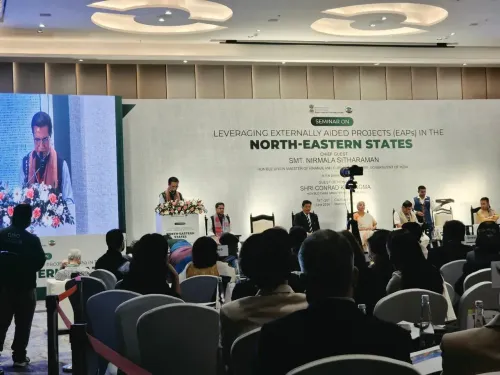
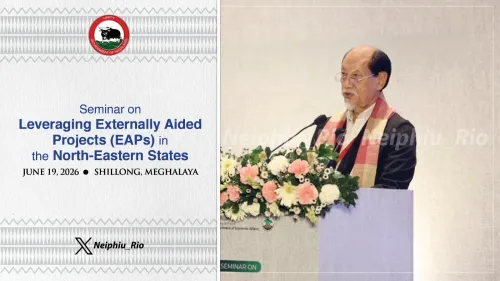
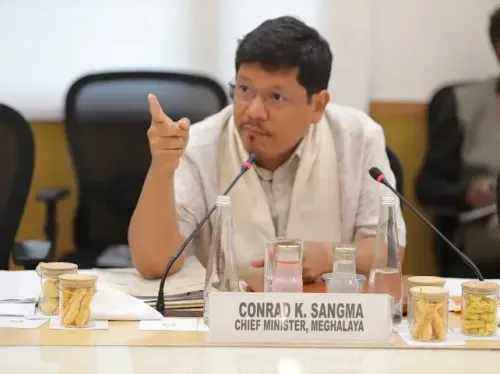
Meghalaya CM Conrad Sangma attended the North-Eastern States Conference on Leveraging Externally Aided Projects in Shillong on 19 June 2026 .
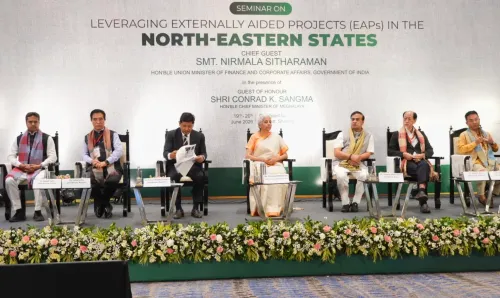
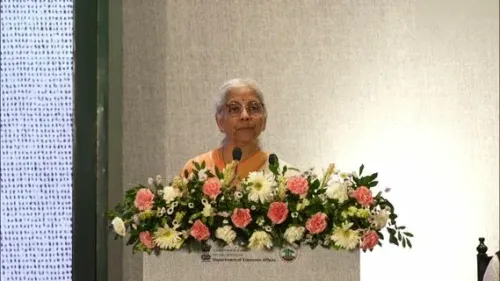
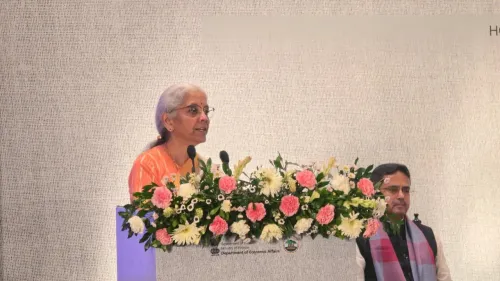
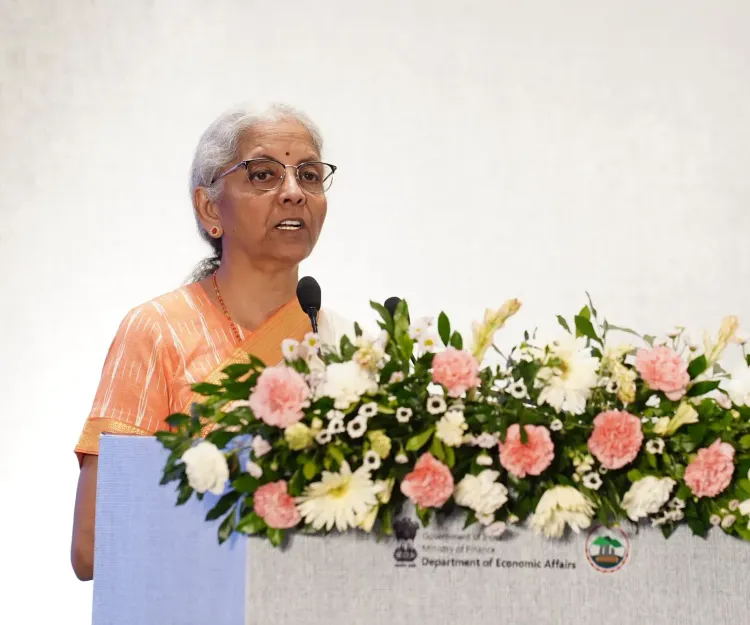
The session was chaired by Union Finance Minister Nirmala Sitharaman and attended by Chief Ministers of northeastern states.
EAPs are multilateral development funds from agencies such as the World Bank and Asian Development Bank , routed through the Government of India .
Sangma said EAPs in Meghalaya have driven innovation, strengthened institutions, and delivered results in health, education, livelihoods, infrastructure, and environmental conservation .
He called for continued support for externally aided projects as the North East emerges as a 'growth engine for India.' The conference outcomes are expected to inform upcoming Union Budget allocations for EAPs in the northeastern region.
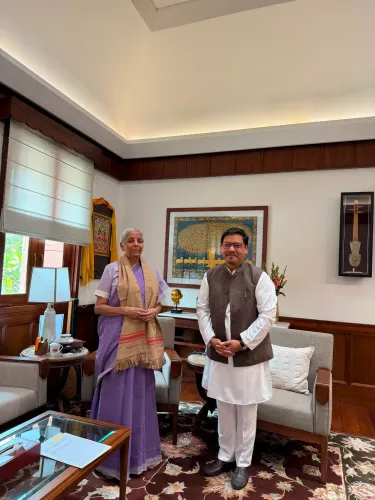
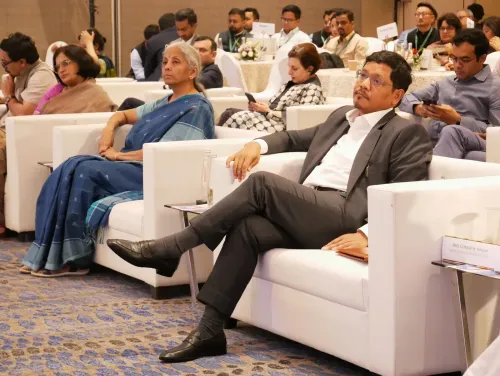
Meghalaya Chief Minister Conrad Sangma attended the inaugural session of the North-Eastern States Conference on Leveraging Externally Aided Projects (EAPs) in Shillong on Friday, 19 June 2026, chaired by Union Finance Minister Nirmala Sitharaman. The conference brought together Chief Ministers of the northeastern states to assess how multilateral-funded development projects are shaping the region's growth trajectory.
Context
Sangma shared at the session how EAPs and partnerships with global development agencies, routed through the Government of India, are helping accelerate growth across the North East. He highlighted that these projects are enabling states to tackle challenges in health, education, livelihoods, infrastructure, and environmental conservation through what he described as a 'collaborative, outcome-focused approach.'
In his remarks on Meghalaya specifically, Sangma said the projects 'have driven innovation, strengthened institutions, and delivered tangible results for our people.' He also thanked Sitharaman for her 'leadership and vision' and for extending 'consistent support for Meghalaya and the NE states.'
Policy Backdrop
Externally Aided Projects are development initiatives funded by multilateral agencies such as the World Bank and the Asian Development Bank (ADB), channelled through the Government of India to state governments. The northeastern states have been a particular focus of this financing model, given the region's terrain and historical connectivity gaps that make large-scale infrastructure development more complex and resource-intensive.
The Ministry of Development of North Eastern Region, established in 2001, has long coordinated central development efforts across the eight northeastern states. The Act East Policy, unveiled in 2014, further elevated the region's strategic importance by positioning it as a gateway for economic engagement with Southeast Asia. The ADB-supported North Eastern States Roads Project, which began in 2004, is among the earlier examples of multilateral financing being deployed for transport infrastructure in the region.
Successive central governments have increased the use of multilateral financing to supplement domestic resources across sectors including health, livelihoods, and connectivity — a pattern that reflects a consistent policy of treating the North East as a priority development corridor.
Stakeholders and Impact
The primary beneficiaries of EAPs in the North East are local communities across the eight states, particularly in sectors where domestic budgetary allocations have historically been insufficient to bridge infrastructure and service delivery gaps. State governments gain access to technical expertise and project management frameworks that accompany multilateral financing, in addition to the funds themselves.
Sangma, who is also the national president of the National People's Party, has consistently positioned Meghalaya as an active participant in centrally coordinated development programmes. The Shillong conference provided a platform for northeastern Chief Ministers to collectively signal their commitment to scaling up EAP utilisation alongside the Union government.
What's Next
Sangma underscored that 'continued support for externally aided projects will be crucial in unlocking new opportunities and sustaining this progress' as the North East gains momentum as a 'growth engine for India.' The conference's outcomes are expected to feed into deliberations around upcoming Union Budget allocations for EAPs in the northeastern region.
Any mid-term reviews of ongoing EAP outcomes by the Finance Ministry will be closely watched by state governments, development agencies, and policy observers tracking the pace of implementation across the region. The collective voice of northeastern Chief Ministers at a Finance Ministry-chaired session adds political weight to calls for sustained and enhanced multilateral financing for the region.
Point of View
Collective forum for northeastern states to align on multilateral financing priorities — a signal that EAPs are being institutionalised as a core pillar of the region's development architecture rather than treated as ad hoc supplements. For Conrad Sangma, publicly championing this framework serves a dual purpose: reinforcing Meghalaya's credentials as a capable recipient of complex externally aided programmes and positioning the National People's Party as a constructive partner in the Union government's Act East agenda. The broader pattern — successive governments deepening multilateral financing in the North East — suggests this is less a partisan initiative and more a structural response to the region's unique fiscal and geographic constraints. The critical question going forward is whether the pace of EAP disbursement and on-ground implementation can match the political momentum being generated at such conferences.
NationPress
19 Sept 2026
Frequently Asked Questions
What are Externally Aided Projects (EAPs) in India?
Externally Aided Projects are development initiatives funded by multilateral agencies such as the World Bank and the Asian Development Bank and channelled through the Government of India to state governments for infrastructure, health, education, and livelihood programmes.
What was the North-Eastern States EAP conference in Shillong about?
The conference, chaired by Union Finance Minister Nirmala Sitharaman on 19 June 2026 in Shillong, brought together northeastern Chief Ministers to discuss how externally aided projects are accelerating development across the region and how support for such projects can be sustained.
What did Meghalaya CM Conrad Sangma say at the Shillong EAP conference?
Sangma said EAPs and partnerships with global development agencies are helping Meghalaya tackle challenges in health, education, livelihoods, infrastructure, and environmental conservation, and called for continued multilateral support to ensure the North East leads India's growth story.
How has India's Act East Policy shaped development in the North East?
The Act East Policy, unveiled in 2014, positioned the northeastern states as a strategic gateway for economic engagement with Southeast Asia, increasing the region's priority in central development planning and boosting the use of multilateral financing for connectivity and infrastructure.
Which multilateral agencies fund projects in India's North East?
The World Bank and the Asian Development Bank are among the principal multilateral agencies that fund development projects in northeastern India, with funds routed through the Government of India to state governments.